





What's Happening?
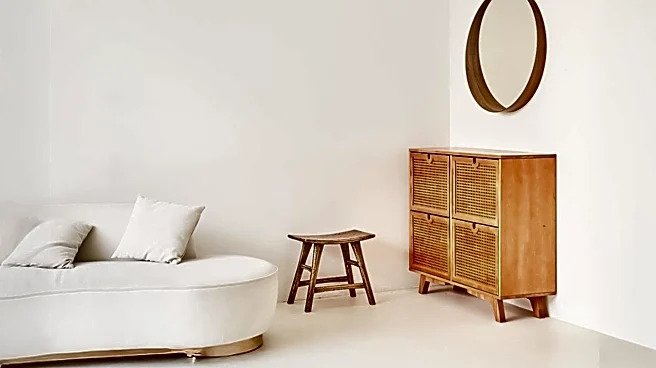
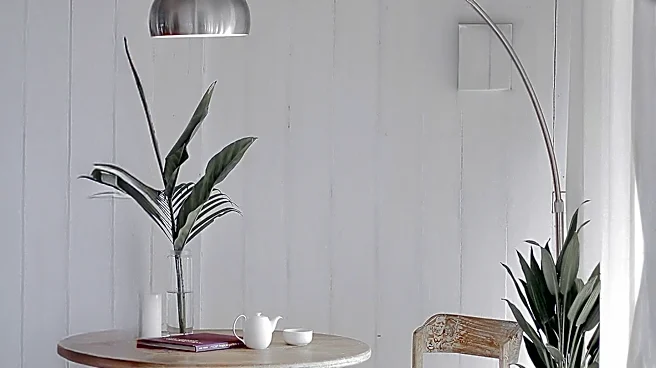
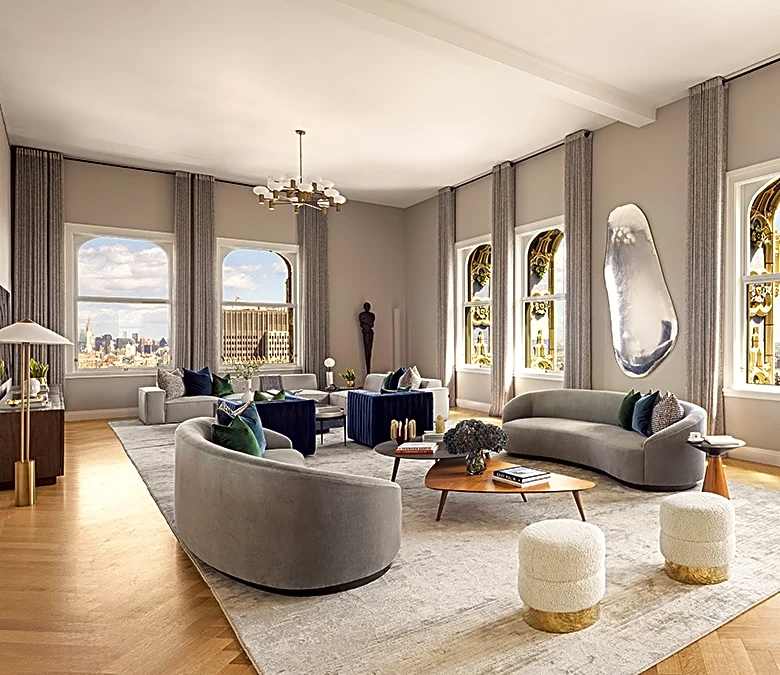
Scandinavian and Japanese minimalist interior design styles, while both emphasizing simplicity, diverge significantly in their core philosophies and aesthetic applications. Scandinavian design, born from Northern Europe's long, dark winters, prioritizes
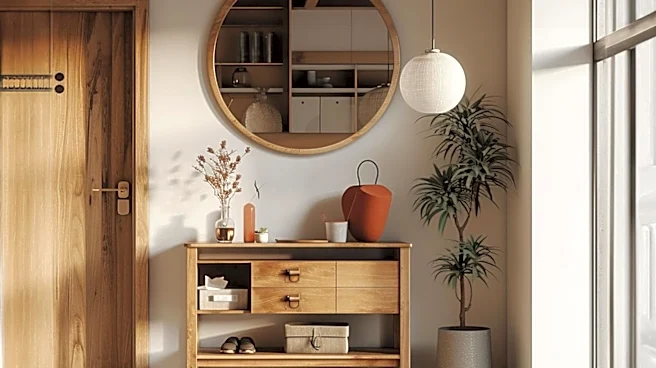
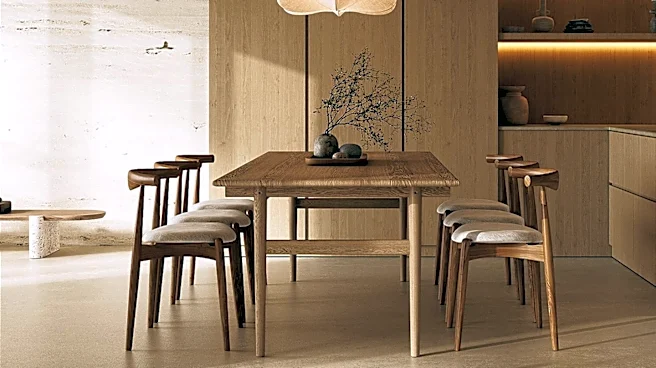
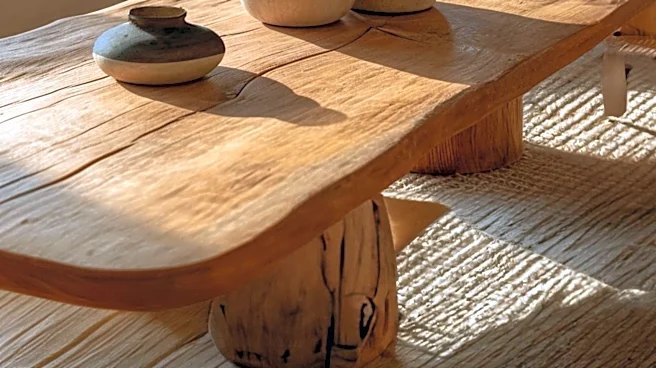
maximizing light through cool tones, white walls, and pale woods. It employs ergonomic, curved, and upholstered furniture, focusing on durability and coziness. In contrast, Japanese design embraces shadow and raw textures, drawing from principles that value imperfection and transience. Its palette is earthier, utilizing materials like unbleached linen, cedar, and stone, with light filtered to create a diffused glow. Japanese furniture is typically low-profile, linear, and solid wood, adhering to proportional harmony and connecting inhabitants with the earth. The choice between these styles often depends on the desired atmosphere and practical considerations for a living space.
Why It's Important?
The distinction between Scandinavian and Japanese minimalism is important for consumers and designers in the U.S. seeking to create specific living environments. Scandinavian design's emphasis on light and ergonomic comfort makes it highly suitable for smaller, darker spaces, common in urban U.S. apartments, by visually expanding them and offering practical, durable solutions for busy lifestyles. This approach can appeal to those prioritizing functionality and a bright, airy feel. Conversely, Japanese minimalism, with its focus on spiritual calm and natural materials, offers an alternative for individuals seeking a more intimate, grounded, and contemplative sanctuary. Understanding these differences allows for informed decisions that align with personal preferences for aesthetics, maintenance, and the psychological impact of a living space, influencing furniture choices, material selections, and overall home ambiance in the U.S. interior design market.
What's Next?
As interest in minimalist living continues to grow in the U.S., the nuanced differences between Scandinavian and Japanese design will likely lead to more specialized offerings in furniture and home decor markets. Consumers may see an increase in 'Japandi' fusion styles, which combine elements from both, such as Scandinavian furniture forms with Japanese-inspired natural materials, provided a unified temperature palette is maintained. Retailers and interior designers will need to cater to these distinct preferences, offering curated collections that highlight either the light-maximizing, ergonomic aspects of Scandinavian design or the shadow-embracing, raw-textured qualities of Japanese aesthetics. Educational resources for consumers on how to effectively implement each style, or blend them, will also become more prevalent, guiding choices for small apartments or spaces requiring specific atmospheric qualities.
Beyond the Headlines
Beyond the immediate aesthetic choices, the contrasting philosophies of Scandinavian and Japanese minimalism reflect deeper cultural values that resonate with different segments of the U.S. population. Scandinavian design's focus on functionality, durability, and maximizing light can be seen as an embodiment of practical modern living, appealing to those who value efficiency and a bright, open environment. Japanese minimalism, with its reverence for natural materials, imperfection (wabi-sabi), and the deliberate use of empty space, taps into a desire for spiritual calm, mindfulness, and a deeper connection to nature. This style can offer a counterpoint to the fast-paced, consumer-driven aspects of modern U.S. society, promoting a more contemplative and intentional way of living. The choice between these styles, therefore, can be a reflection of an individual's broader lifestyle philosophy and their approach to well-being and daily existence.