






What's Happening?
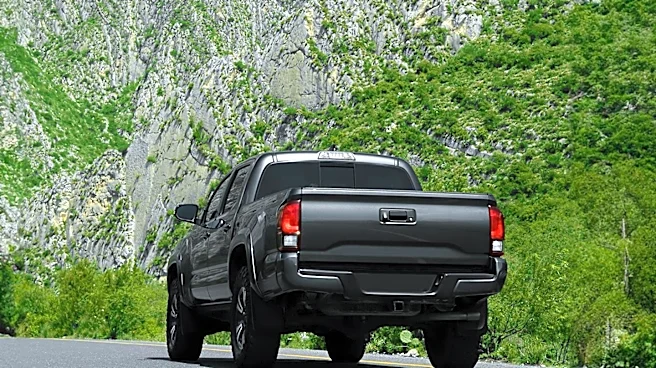
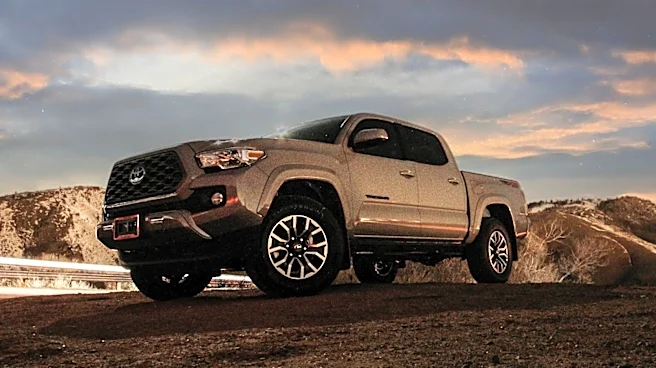
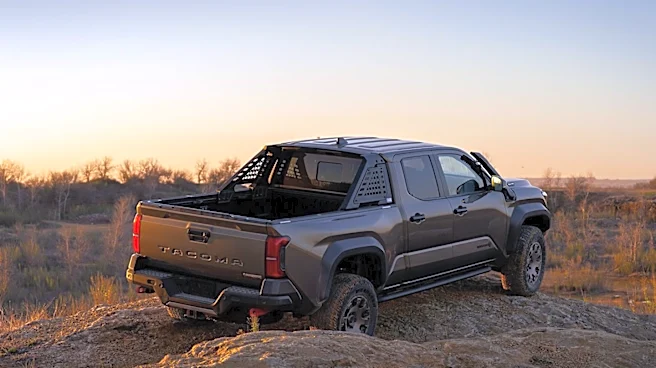
Toyota Motor North America has announced a significant expansion of its operations in San Antonio, Texas. The company plans to invest $3.6 billion to establish a second vehicle assembly line at its South Side plant, which will focus on the production
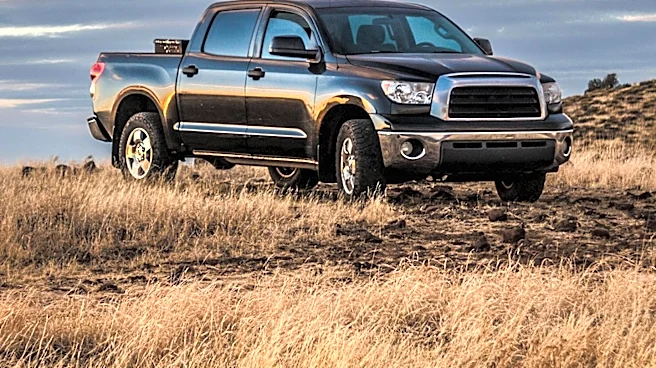
of Toyota Tacoma trucks. This expansion is expected to create 2,000 new jobs by 2030. The plant, which currently produces Tundra and Sequoia models, will also see its size double with an additional 2.5 million square feet. The move is part of Toyota's broader strategy to invest $10 billion in its U.S. manufacturing operations over the next decade. The decision to expand in San Antonio was praised by local and state leaders, including Governor Greg Abbott and San Antonio Mayor Gina Ortiz Jones, who highlighted the economic benefits and job opportunities the expansion will bring to the region.
Why It's Important?
This expansion underscores Toyota's commitment to strengthening its manufacturing presence in the United States, particularly in Texas. By shifting production from its plant in Tijuana, Mexico, to San Antonio, Toyota is not only creating jobs but also reinforcing the U.S. as a key hub for its operations. The investment is expected to boost the local economy significantly, providing long-term employment opportunities and supporting ancillary industries. Additionally, this move aligns with broader economic trends of reshoring manufacturing jobs to the U.S., which can enhance domestic supply chain resilience and reduce dependency on international production. The expansion also reflects confidence in the U.S. workforce and the strategic advantages offered by Texas, such as favorable business conditions and state support programs.
What's Next?
As Toyota progresses with its expansion plans, the company will likely engage in further collaborations with local government and community stakeholders to ensure a smooth transition and integration of the new assembly line. The shift of Tacoma production from Mexico to Texas will be phased over the next four years, requiring logistical adjustments and workforce training. Stakeholders, including local businesses and educational institutions, may play a role in preparing the workforce for the new jobs. Additionally, the expansion could prompt other automotive manufacturers to consider similar investments in the U.S., potentially leading to increased competition and innovation in the industry.