



What's Happening?
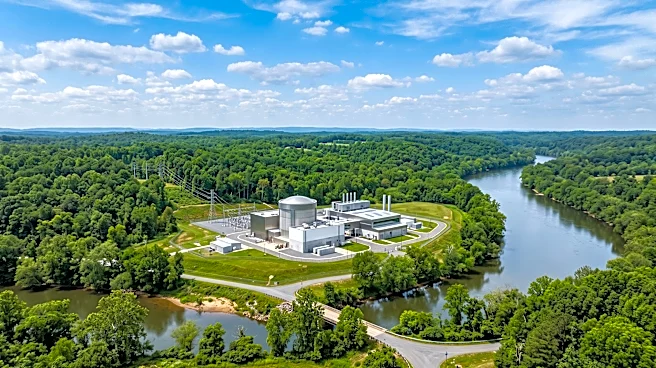
Entergy Corporation, a major U.S. utility, is increasingly integrating solar power into its energy generation mix, alongside natural gas, nuclear, coal, and hydroelectric sources. The company, which serves 3.1 million customers across the Gulf South,
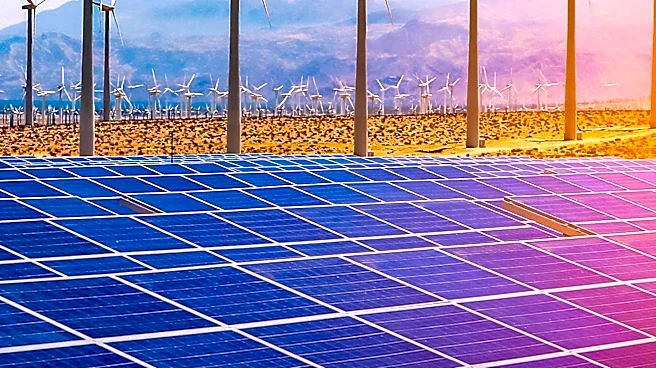
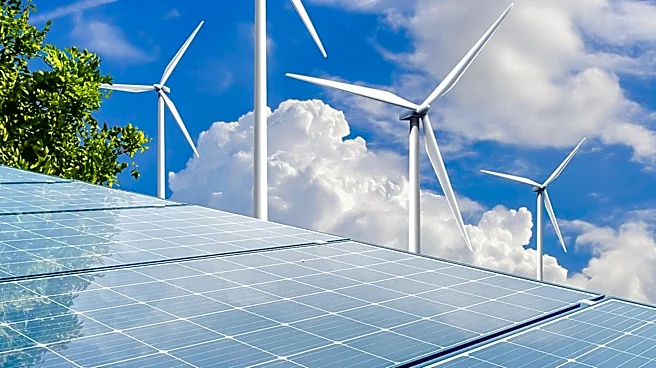
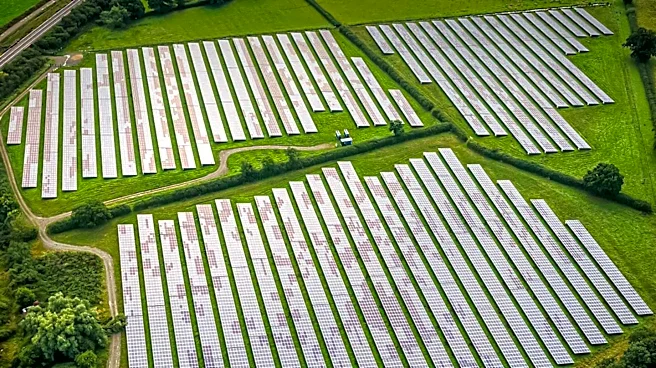
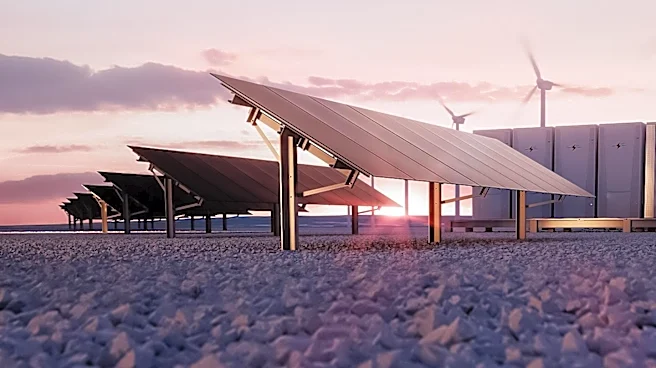
generates nearly all of its approximately $13.4 billion in revenue from its regulated Utility segment. This shift towards renewables is driven by significant investments in clean energy, storage, and grid resilience, supported by initiatives like Texas Energy Fund grants and accelerated resilience programs. Entergy's strategy aligns with a broader trend among U.S. utilities, including AES and American Electric Power Company, to meet the growing demand for cleaner power from large industrial and data center customers. These companies are focusing on utility-scale solar projects and long-term power purchase agreements (PPAs) to ensure predictable renewable supply.
Why It's Important?
This strategic pivot by Entergy and its peers towards utility-scale solar buildout is crucial for the U.S. energy landscape. It signifies a major commitment from established utilities to decarbonization and meeting the increasing demand for sustainable energy solutions. The substantial investments in renewables, storage, and grid resilience will enhance the reliability and stability of the power grid, which is vital for economic growth and national security. Furthermore, the focus on long-term contracts with industrial and data center customers highlights a significant market shift, where major corporations are prioritizing clean energy. This trend not only drives utility investments but also fosters innovation in renewable energy technologies and infrastructure. The development of utility-scale solar projects creates new job opportunities, stimulates local economies, and contributes to the U.S.'s broader climate goals, positioning the nation as a leader in clean energy transition.
What's Next?
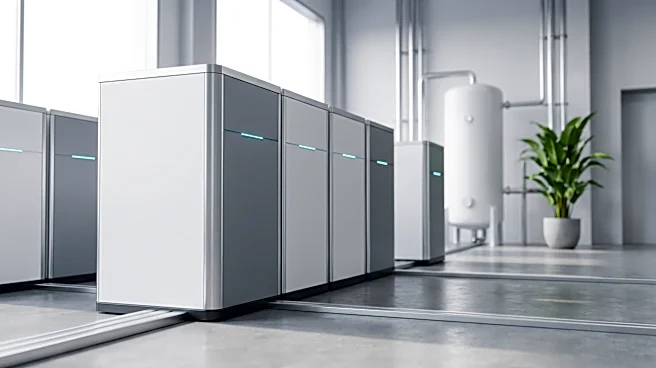
The immediate future will see continued significant investments by Entergy and other utilities in renewable energy projects, particularly utility-scale solar and energy storage. These companies will likely pursue more long-term power purchase agreements with corporate buyers and data centers to secure predictable revenue streams and meet growing clean energy demands. The ongoing development of grid resilience programs and self-healing networks will also be a priority to ensure the stability and efficiency of the expanded renewable energy infrastructure. Additionally, the industry will likely focus on navigating the financial pressures associated with these large-scale capital plans, including funding costs and regulatory frameworks. The success of these initiatives will depend on continued policy support, technological advancements, and the ability of utilities to integrate diverse energy sources effectively into their existing grids. The market will closely watch how these companies balance their capital cycles, regulatory environments, and customer demands to achieve their earnings targets.
Beyond the Headlines
The aggressive push into utility-scale solar by companies like Entergy has profound implications beyond immediate energy supply. It represents a fundamental transformation of the U.S. energy mix, moving away from traditional fossil fuels towards a more sustainable and decentralized system. This shift could lead to a re-evaluation of energy policy, with increased incentives for renewable energy development and grid modernization. Environmentally, it contributes significantly to reducing carbon emissions and combating climate change. Economically, it fosters a new ecosystem of green jobs, from manufacturing and installation to maintenance and research, potentially revitalizing regions with new industries. Socially, it could lead to greater energy independence and potentially more stable energy prices in the long run. However, challenges remain, including the need for advanced grid management technologies, energy storage solutions to address intermittency, and robust regulatory frameworks to support this transition. The long-term success of this buildout will shape the U.S.'s energy future for decades to come.