








What's Happening?
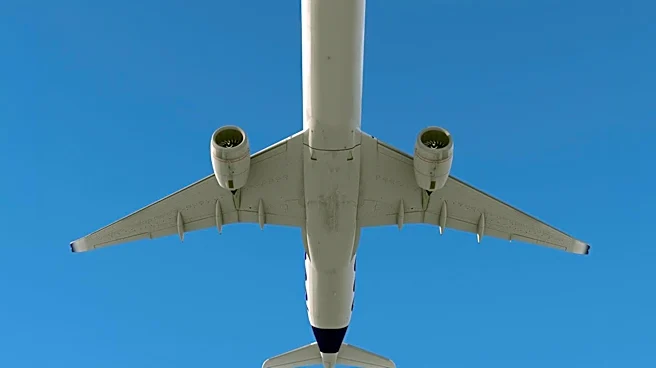
Two Embraer passenger jets operated by the local airline Airlink conducted a dramatically low flyby over Cape Town Stadium in South Africa before a rugby game between South Africa and New Zealand. The stunt, which occurred on Saturday, drew cheers from
an estimated crowd of 56,000 people but also ignited a significant debate regarding safety risks. Flight tracking service Flightradar24 estimated that the lead jet passed merely 41 to 46 feet (12 to 14 meters) above the stadium's roof. The second jet flew through a cloud of pink dust released from the stadium roof as part of the pregame show. Airlink, a sponsor of the rugby series, stated that the flyby adhered to safety regulations, was meticulously planned and rehearsed, and involved aircraft traveling at approximately 150 knots (278 kph or 172 mph). Each jet carried three senior captains acting as commander, co-pilot, and safety officer, and no passengers were on board. The airline later confirmed it provided flight data from the aircraft's black boxes to the civil aviation authority for review.
Why It's Important?
This incident highlights a critical tension between public entertainment and aviation safety protocols, particularly in the context of large public gatherings. While such flybys are a tradition in South African rugby, the extreme low altitude of this particular event has raised concerns among aviation experts. The potential for a catastrophic accident, even with extensive planning and experienced pilots, is a significant risk. Chris Martinus, president of Aircraft Owners and Pilots Association South Africa, expressed discomfort, noting that at such low altitudes, there are very few options if something adverse occurs. Keith Tonkin, an Australian aviation consultant, warned against setting a precedent, stating that these regional jets are not designed for such low-level operations and that turbulence or a bird strike could lead to disaster. The debate underscores the need for stringent oversight and clear guidelines for aerial displays over populated areas, as the margin for error in such maneuvers is inherently small, potentially endangering thousands of spectators and the flight crew.
What's Next?
The South African Civil Aviation Authority is expected to issue a statement following its review of the flight data provided by Airlink. This review will be crucial in determining whether any regulations were violated or if existing safety protocols need to be re-evaluated for such events. The outcome could lead to stricter guidelines or even a ban on similar low-altitude flybys over stadiums in South Africa. Aviation experts and safety organizations will likely continue to scrutinize the incident, potentially influencing international aviation safety standards for public aerial displays. The public and sports organizations will also be watching closely to see if the tradition of stadium flybys will be curtailed or modified to ensure greater safety, balancing entertainment value with the paramount concern for human life.
Beyond the Headlines
The controversy surrounding the Airlink flyby extends beyond immediate safety concerns to broader questions about risk assessment and public perception of safety. The event, while thrilling for many, also exposed a divide between the desire for spectacular entertainment and the inherent dangers of pushing aeronautical boundaries. It raises ethical considerations for airlines and event organizers regarding their responsibility to public safety versus commercial and promotional interests. The incident could prompt a re-evaluation of what constitutes an acceptable risk in public events, potentially leading to a more conservative approach to aerial displays globally. Furthermore, it highlights the role of social media in amplifying both the excitement and the criticism of such events, influencing public discourse and regulatory responses. The long-term impact could be a shift in how aviation authorities and event planners balance the spectacle of airshows with an unwavering commitment to safety.