




What's Happening?
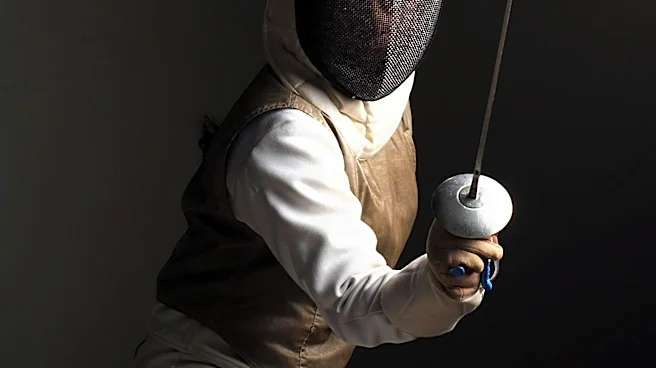
Swordplay LA, a fencing club located in Burbank, California, is providing a distinctive fitness experience that combines physical activity with cultural and historical immersion. The club, owned by Mary Sola Spohn, caters to a diverse clientele ranging
from 7 to 85 years old, drawing inspiration from popular culture such as 'Game of Thrones,' 'Lord of the Rings,' and 'Wednesday.' Spohn, a former nationally-ranked fencer and U.S. Olympic trials participant, acquired the club where her passion for the sport began. She has since expanded its offerings beyond traditional fencing to include stunts, pro wrestling, and historical European martial arts (HEMA). The club emphasizes an inclusive and supportive community environment, moving away from high-stakes competition. Fencing, with its roots dating back to the 12th century BC, has evolved from ancient combat and entertainment to a refined sport, becoming one of the original Olympic events in 1896. Swordplay LA leverages this rich history and its portrayal in media to attract new participants, making the sport accessible and engaging for beginners.
Why It's Important?
This development highlights a growing trend in the U.S. fitness industry towards specialized, experience-driven workouts that offer more than just physical exercise. Swordplay LA's approach demonstrates how niche sports, often perceived as exclusive or highly competitive, can be made accessible and appealing to a broader audience by emphasizing cultural relevance and community building. This model could influence other fitness businesses to integrate historical, artistic, or pop culture elements into their programs, attracting individuals seeking unique and engaging ways to stay active. For the wellness industry, it signifies a shift towards offerings that provide both physical and mental stimulation, moving beyond conventional gym routines. The success of Swordplay LA also underscores the potential for businesses to thrive by tapping into existing cultural narratives and media influences, transforming them into tangible, interactive experiences. This trend benefits consumers by providing diverse fitness options and creates new market opportunities for entrepreneurs in the health and wellness sector.
What's Next?
The success of Swordplay LA could inspire similar specialized fitness clubs to emerge across the U.S., particularly in areas with a strong interest in pop culture and historical reenactment. We may see an increase in demand for unique physical activities that blend fitness with storytelling, role-playing, or cultural education. Other niche sports, such as archery, martial arts, or even historical dance forms, could adopt similar community-focused and culturally-inspired models to attract new participants. Fitness technology and platforms might also begin to incorporate elements of these specialized activities, offering virtual classes or augmented reality experiences that simulate historical combat or other immersive workouts. Furthermore, the emphasis on an inclusive and supportive environment at Swordplay LA could set a precedent for how fitness businesses engage with their members, fostering stronger communities and enhancing participant retention. This approach could lead to a broader re-evaluation of what constitutes a 'workout' and how fitness can be integrated into lifestyle and entertainment.
Beyond the Headlines
The rise of establishments like Swordplay LA reflects a deeper societal desire for authentic and engaging experiences that transcend the purely functional. In an increasingly digital world, there's a growing appeal for activities that offer a tangible connection to history, culture, and physical prowess. Fencing, with its blend of discipline, strategy, and dramatic flair, provides an outlet for individuals to explore aspects of identity and narrative often found in fiction. This trend also touches upon the psychological benefits of 'play' in adult life, where structured, imaginative activities can reduce stress and foster a sense of accomplishment. Ethically, such clubs promote physical literacy and historical awareness, offering an alternative to sedentary entertainment. Culturally, they bridge the gap between historical practices and contemporary fitness, demonstrating how ancient traditions can remain relevant and vibrant in modern society. This movement suggests a broader shift towards holistic wellness that values mental engagement and cultural enrichment as much as physical conditioning.