


What's Happening?
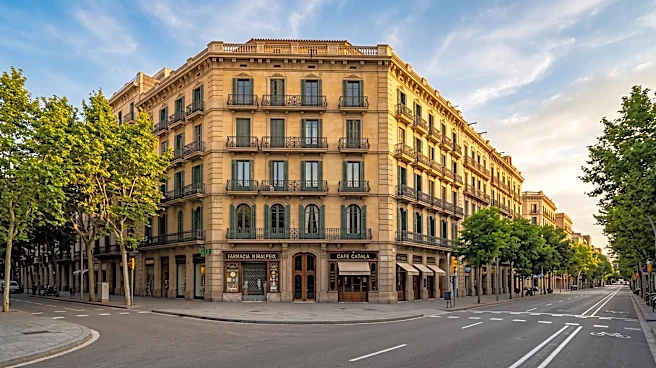
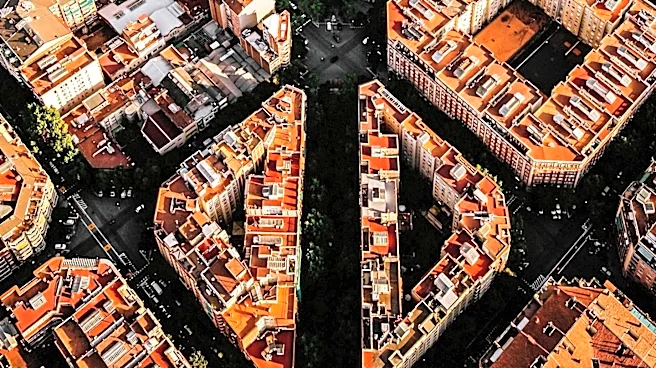
Barcelona, Spain, stands as the vibrant capital of Catalonia, renowned for its distinctive modernist architecture, particularly the works of Antoni Gaudí. Key architectural marvels include the Sagrada Familia, a basilica still under construction since
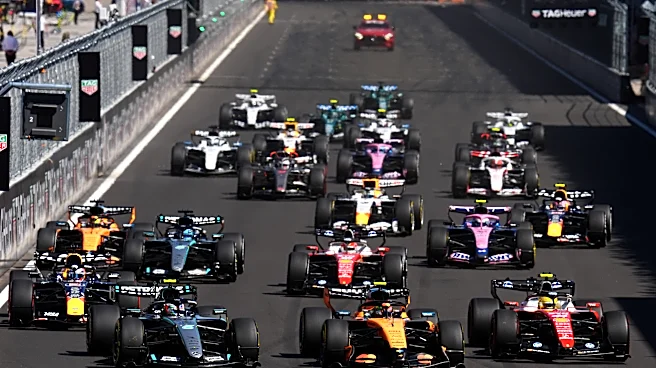
1882, and Park Güell, a public park featuring mosaic-covered structures and panoramic city views. The city also boasts other Gaudí masterpieces like Casa Batlló and Casa Milà, characterized by their organic shapes and lack of straight lines. Beyond architecture, Barcelona offers a rich cultural tapestry with its Gothic Quarter, home to the Cathedral of Barcelona and remnants of the Roman city of Barcino. The city's culinary scene is highlighted by traditional tapas and markets like Mercat del Ninot, which was renovated in 2015. Barcelona is also a significant destination for sports, hosting the Formula 1 Barcelona-Catalunya Grand Prix, a fixture on the F1 calendar for over three decades, known for its enthusiastic support and superb atmosphere.
Why It's Important?
Barcelona's unique blend of historical depth and modern vibrancy makes it a significant global city. Its architectural heritage, particularly Gaudí's contributions, has profoundly influenced urban design and artistic expression, attracting millions of tourists and art enthusiasts worldwide. The city's commitment to preserving its history while embracing contemporary art and culture, as seen in museums like MACBA and Moco Museum, positions it as a dynamic cultural center. Economically, tourism is a major driver, supported by its diverse attractions, from beaches and nightlife to cultural festivals and sporting events like the Formula 1 Grand Prix. The city's emphasis on outdoor activities and a relaxed pace of life also contributes to its appeal as a desirable place to live and visit, impacting local businesses and the hospitality sector. The blend of Catalan and Spanish cultures, including linguistic nuances, adds to its distinct identity and cultural richness.
What's Next?
Barcelona is expected to continue its development as a major European destination, with ongoing efforts to complete the Sagrada Familia, which relies on ticket sales and donations for its construction. The city will likely maintain its focus on cultural tourism, leveraging its unique architectural sites and vibrant arts scene. The Formula 1 Barcelona-Catalunya Grand Prix will remain a key annual event, drawing international visitors and sports enthusiasts. Further urban development and cultural initiatives are anticipated to enhance the visitor experience and local quality of life. The city's markets, like Mercat del Ninot, will continue to serve as community hubs, offering fresh local produce and reflecting Barcelona's authentic character. Efforts to balance tourism growth with local community needs and cultural preservation will be ongoing.
Beyond the Headlines
Beyond its immediate attractions, Barcelona represents a fascinating case study in cultural identity and urban evolution. The city's strong Catalan identity, including the prevalence of the Catalan language and unique traditions like Caga Tió and caganers during Christmas, highlights the complexities of regionalism within a national context. The architectural legacy of Modernisme, particularly Gaudí's work, transcends mere aesthetics, embodying a philosophical approach to integrating nature, religion, and art into the urban fabric. The city's ability to host major international events like Formula 1 while maintaining its distinct local charm speaks to its sophisticated urban planning and cultural resilience. Barcelona's ongoing narrative is one of continuous adaptation, balancing its rich historical past with the demands and opportunities of a modern, globalized world, influencing discussions on urban heritage, sustainable tourism, and cultural preservation.