






What's Happening?
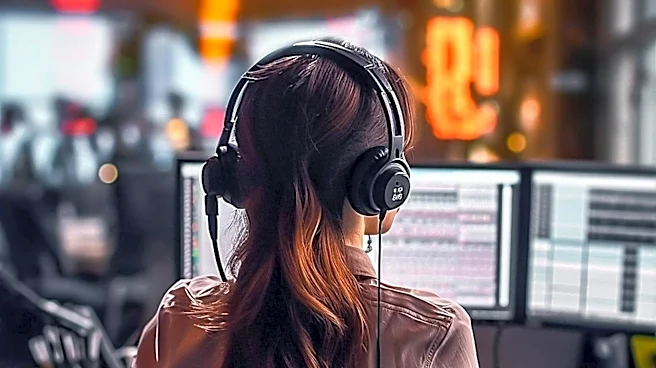
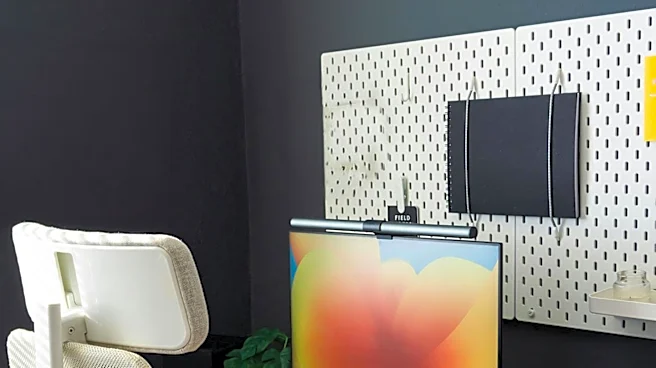
The concept of private workspaces is undergoing a significant transformation, moving beyond traditional office setups to highly personalized and technologically advanced environments. These modern spaces are designed to foster creativity and productivity
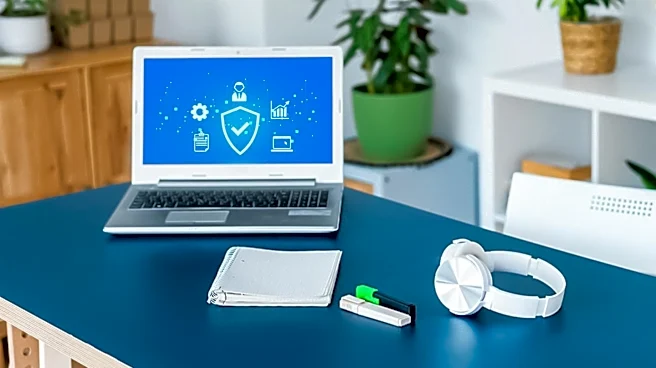
by allowing individuals to customize their surroundings, from furniture choices to decorative elements. A key aspect of this evolution is the integration of advanced technologies such as Artificial Intelligence (AI), Virtual Reality (VR), and the Internet of Things (IoT), which are set to make future offices more interactive and intelligent. This shift also prioritizes confidentiality and security, recognizing the need for secure environments for sensitive tasks and discussions. The design of these spaces aims to support innovation, collaboration, and a sense of purpose, aligning with broader organizational values of inclusivity and global missions. This trend reflects a growing understanding that an adaptable and functional workspace is crucial for maximizing productivity and responding to the evolving needs of the workforce.
Why It's Important?
The rise of modern private workspaces has significant implications for U.S. industries and the broader economy. By offering personalized and secure environments, these spaces can lead to enhanced employee productivity and job satisfaction, which are critical drivers of economic growth. The integration of AI, VR, and IoT in office design signifies a technological leap that could set new standards for workplace efficiency and innovation across various sectors. Companies that adopt these advanced workspaces may gain a competitive edge by attracting top talent and fostering a more dynamic and creative workforce. Furthermore, the emphasis on confidentiality and security addresses growing concerns about data protection and intellectual property, which are vital for businesses operating in sensitive industries. This evolution also supports the increasing demand for flexible work models, allowing companies to scale their operations more efficiently and adapt to changing market conditions, ultimately contributing to a more resilient and innovative U.S. business landscape.
What's Next?
Looking ahead, the development of private workspaces will likely continue to be driven by technological advancements and evolving workforce demands. We can anticipate further integration of AI and IoT to create predictive and responsive office environments that cater to individual employee needs in real-time. This could include smart systems that adjust lighting, temperature, and even suggest optimal work configurations based on an individual's tasks and preferences. The focus on sustainability in design is also expected to grow, with more offices incorporating energy-efficient systems and eco-friendly materials to meet environmental targets and corporate social responsibility goals. Additionally, the hybrid work model will continue to influence office design, with private workspaces serving as central hubs for collaboration and specialized tasks, equipped with advanced technological infrastructure to support seamless remote connections. This ongoing evolution will likely lead to a more dynamic and adaptable work environment, continuously reshaping how U.S. businesses operate and innovate.
Beyond the Headlines
Beyond the immediate benefits of productivity and technological advancement, the shift towards personalized and intelligent private workspaces carries deeper implications for corporate culture and employee well-being. The ability to personalize one's workspace can significantly impact an employee's sense of ownership and psychological comfort, potentially leading to higher engagement and reduced stress. This trend also highlights a broader cultural shift towards valuing individual needs and preferences within the corporate structure, moving away from one-size-fits-all office solutions. Ethically, the increasing use of AI and IoT in monitoring and optimizing workspace efficiency raises questions about data privacy and employee surveillance, necessitating careful consideration of how these technologies are implemented to maintain trust and respect. Furthermore, the emphasis on inclusivity and purpose-driven design suggests a growing recognition of the workplace as a critical component of an organization's identity and its commitment to broader societal values, influencing talent attraction and retention in the long term.