







What's Happening?
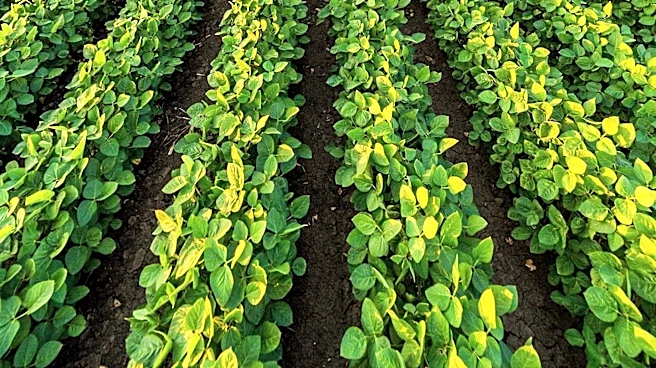
The global soft commodities market, encompassing agricultural products like coffee, sugar, cocoa, cotton, and natural rubber, is projected to experience continued volatility driven by agricultural production, global consumption patterns, climate conditions,
and international trade. Climate change is identified as a significant ongoing challenge for agricultural producers, introducing unpredictability through erratic rainfall, temperature shifts, and extreme weather events that can severely impact crop yields. Concurrently, population growth and evolving consumer preferences are expected to influence demand for these essential agricultural products, which are integral to various industries including food, beverages, clothing, and manufacturing. The market, valued at over $500 billion annually, is highly sensitive to price fluctuations, with even minor changes affecting farmers, suppliers, manufacturers, and consumers globally. Factors such as weather, supply and demand dynamics, crop production, transportation costs, and currency exchange rates are key determinants of price trends.
Why It's Important?
The stability and predictability of soft commodity prices are crucial for numerous U.S. industries and consumers. Businesses involved in food processing, textile manufacturing, and automotive production rely heavily on these raw materials, making price volatility a significant risk to their operational costs and profitability. For consumers, price increases in commodities like coffee, sugar, and cotton directly translate to higher costs for everyday goods. The impact of climate change on agricultural output poses a long-term threat to supply chain stability, potentially leading to increased import reliance and greater exposure to global price shocks. Furthermore, currency exchange rate fluctuations, particularly involving the U.S. dollar, can alter the cost of imports and exports, affecting the competitiveness of U.S. businesses in international markets and influencing domestic pricing. Understanding these dynamics is essential for strategic planning and risk management across the U.S. economy.
What's Next?
Businesses and traders in the U.S. will increasingly rely on sophisticated forecasting tools and real-time market intelligence to navigate the complex soft commodities market. The emphasis will be on monitoring weather patterns in key agricultural regions, analyzing crop production estimates, and tracking global supply and demand shifts. Adapting to climate change will necessitate investments in resilient agricultural practices and diversified sourcing strategies to mitigate supply disruptions. Furthermore, technological advancements, including digital market intelligence and AI-based forecasting, are expected to play a larger role in providing actionable insights, helping stakeholders make more informed purchasing decisions and manage budgets effectively. The ongoing evolution of international trade policies and transportation costs will also require continuous monitoring to anticipate their impact on commodity prices and supply chains.
Beyond the Headlines
The challenges in the soft commodities market extend beyond immediate price fluctuations, touching upon broader issues of food security, sustainable agriculture, and global economic equity. The increasing unpredictability due to climate change highlights the urgent need for international cooperation on climate resilience and agricultural innovation. Ethical considerations regarding fair trade practices and the livelihoods of farmers in producing regions, often developing countries, will likely gain more prominence. Long-term shifts could include greater investment in alternative materials and production methods to reduce reliance on climate-vulnerable crops, as well as the development of more robust risk management frameworks for agricultural supply chains. The interplay between environmental sustainability, economic stability, and social responsibility will define the future landscape of the soft commodities market.