



What's Happening?
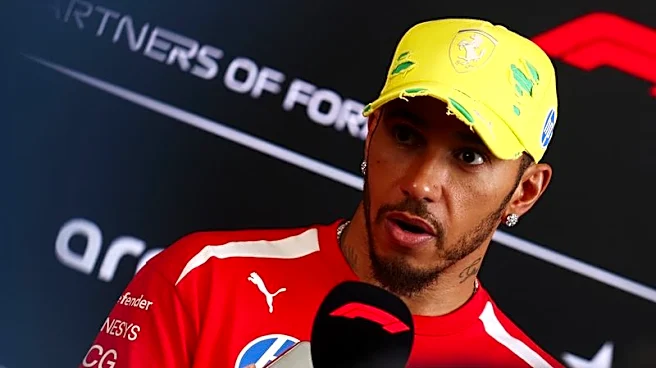
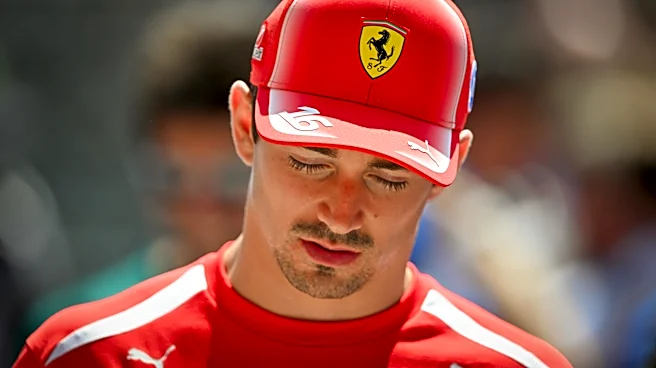
Ferrari Team Principal Fred Vasseur has confirmed that he held a meeting with drivers Lewis Hamilton and Charles Leclerc following their on-track incident at the Mexico City Grand Prix. The clash, which occurred on the opening lap, saw both Ferrari cars
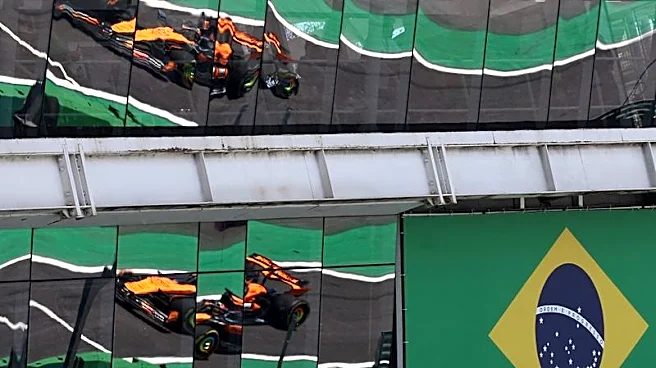
run wide at Turn Four while battling for the lead, ultimately allowing Red Bull's Max Verstappen to win the race. Hamilton had publicly criticized Leclerc's aggressive driving style, stating that discussions were needed to define their rules of engagement. Vasseur confirmed the meeting took place on Thursday evening at Interlagos, ahead of the Sao Paulo Grand Prix. During the discussion, Vasseur reiterated that the team's interests must come first, above individual driver ambitions. He emphasized that while both drivers are competitive, they must respect each other and the Ferrari brand, its employees, and the Tifosi. Vasseur also stated that the team's racing guidelines remain unchanged, focusing on mutual respect and prioritizing collective success.
Why It's Important?
This intervention by Ferrari's team principal is crucial for maintaining team cohesion and performance, especially as the Formula 1 season progresses. Internal rivalries, if left unmanaged, can lead to costly on-track incidents, lost points, and a negative impact on team morale and public image. For Ferrari, a team with a rich history and high expectations, ensuring that its star drivers can race competitively yet cooperatively is paramount for championship aspirations. The incident in Mexico not only cost Ferrari a potential win but also highlighted underlying tensions that could escalate. Vasseur's clear message about prioritizing the team aims to prevent future clashes and ensure that both Hamilton and Leclerc contribute positively to Ferrari's overall goals. The outcome of this internal management will significantly influence Ferrari's performance in upcoming races and its long-term strategy with two highly competitive drivers.
What's Next?
Following the meeting, the immediate focus will be on the Sao Paulo Grand Prix, where both Hamilton and Leclerc will be under scrutiny to demonstrate adherence to the team's directives. Their on-track conduct in Brazil and subsequent races will indicate the effectiveness of Vasseur's intervention. Ferrari will be closely monitoring their interactions to ensure that the message of team priority has been absorbed and translated into respectful racing. Further discussions may be held if tensions resurface or if there are additional on-track incidents. The team's performance in the constructors' championship, where they are currently battling for positions, will also be a key indicator of how well the drivers can work together. The long-term implications could involve more formalized rules of engagement or strategic adjustments if the current approach proves insufficient in managing the competitive dynamic between the two drivers.
Beyond the Headlines
The dynamic between Lewis Hamilton and Charles Leclerc at Ferrari reflects a classic challenge in Formula 1: managing two highly ambitious and talented drivers within the same team. This situation often brings both competitive advantages and potential for internal conflict, reminiscent of past rivalries like Ayrton Senna and Alain Prost, or Lewis Hamilton and Nico Rosberg. The ethical dimension involves balancing individual ambition with team loyalty and sportsmanship. Legally, while there are no direct legal implications, contractual obligations often include clauses about acting in the team's best interest. Culturally, Ferrari's 'Tifosi' (fan base) expects a unified and winning team, and internal strife can be particularly damaging to the brand's image. This ongoing narrative will test Vasseur's leadership and his ability to foster a winning culture while harnessing the competitive spirit of his drivers without letting it become destructive. The outcome could set a precedent for how top teams manage similar situations in the future.