






What's Happening?
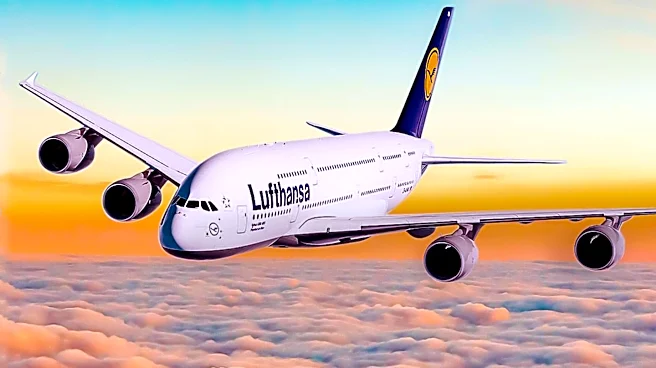
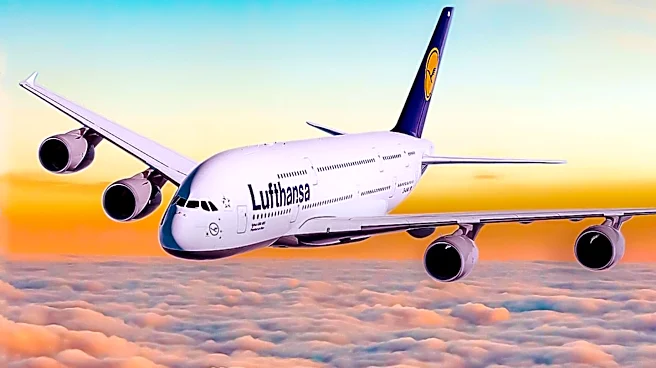
Portugal is re-engaging in negotiations with Deutsche Lufthansa AG and Air France-KLM regarding the sale of a minority stake in its national carrier, TAP Air Portugal. Both airline groups submitted binding offers on July 29, and the state holding company,
Parpública, recently delivered its assessment to the Portuguese government. The government's decision to reopen talks stems from the close overall valuation of the bids, despite differences in their structure. Presidency Minister António Leitão Amaro indicated that while price is a significant factor, it is not the sole consideration. The plan involves selling up to 49.9% of TAP, with 44.9% designated for a strategic investor and up to 5% reserved for employees. This move allows each bidder an additional opportunity to refine their proposals before a single top contender is selected for the final closing stage.
Why It's Important?
The privatization of TAP Air Portugal is crucial for the airline's future stability and the broader European aviation market. TAP recorded a €99 million loss in the first half of the year, primarily due to increased fuel costs, and has received billions in state aid during the pandemic. CEO Luís Rodrigues has emphasized the necessity of a strategic partner to navigate growing market uncertainties. For potential buyers like Lufthansa and Air France-KLM, acquiring a stake in TAP is highly attractive due to its extensive network connecting Europe with Brazil, Latin America, and Africa. This acquisition would significantly bolster either buyer's competitive position in Southern Europe, potentially reshaping regional airline dominance. The outcome of these negotiations will impact not only TAP's financial health but also the strategic landscape of European airline operations and competition.
What's Next?
The Portuguese government will proceed with another round of negotiations with both Lufthansa and Air France-KLM. Each bidder will have the chance to sweeten their offers, aiming to differentiate their proposals beyond just the financial valuation. Presidency Minister António Leitão Amaro stated that the timeline for this process is measured in weeks, not months, suggesting a relatively swift resolution. Following this negotiation phase, the government will select a single preferred bidder to move into the final closing stages of the sale. The chosen strategic partner will then work to integrate TAP Air Portugal into its network, addressing the airline's financial challenges and leveraging its valuable routes to South America and Africa.
Beyond the Headlines
The privatization of TAP Air Portugal carries deeper implications beyond immediate financial and market considerations. It represents a significant step in the post-pandemic restructuring of European aviation, where state-backed airlines are seeking private investment to ensure long-term viability. The sale also highlights the strategic importance of air routes connecting Europe with emerging markets in South America and Africa, making TAP a valuable asset for major European carriers looking to expand their global reach. Furthermore, the process underscores the complex balance governments must strike between maximizing sale price, ensuring job security for employees, and securing the best strategic fit for a national asset. The outcome could set a precedent for future privatizations in the sector, influencing how other struggling national airlines seek external investment and strategic partnerships.