








What's Happening?
Television presenter Lorraine Kelly has revealed that her fitness regimen, which has led to sustainable weight loss, primarily consists of low-impact exercises such as walking and swimming, complemented by two weekly strength training classes. Kelly,
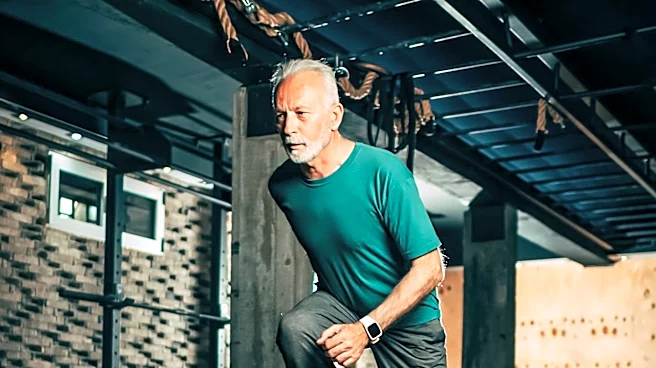
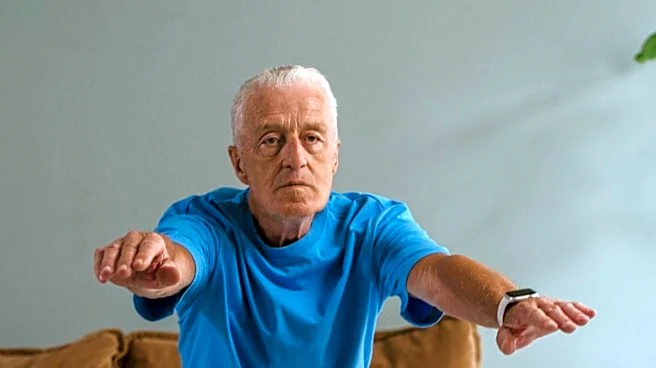
speaking in an interview with Closer magazine, emphasized that these activities have helped her regain her waistline and notice overall body changes. She also participates in strength training sessions with her husband, specifically designed for individuals over 60, focusing on muscle strength and balance. Experts, including Dr. Michaela Gulyas of SKNCode London, support the effectiveness of walking for sustainable fat loss, highlighting its ability to increase energy expenditure without excessive stress, preserve muscle mass, and improve cardiovascular health. Similarly, swimming is lauded by Emily Morrissey, a swimming instructor for Swimming Nature, for its cardio benefits and muscle-building potential across the body, which is particularly crucial as muscle mass naturally declines with age, especially during menopause.
Why It's Important?
This approach to fitness, championed by a public figure like Lorraine Kelly, underscores a growing trend towards sustainable and accessible exercise methods, particularly for an aging population. The emphasis on low-impact activities like walking and swimming, combined with strength training, provides a practical model for individuals seeking to improve their health without resorting to high-intensity workouts that may be less sustainable or carry a higher risk of injury. This shift is significant for the U.S. health and wellness industry, as it highlights the market for fitness programs and products catering to older adults and those prioritizing long-term health over rapid, potentially unsustainable, results. It also reinforces the medical community's recommendations for consistent, moderate exercise, potentially influencing public health campaigns and personal fitness choices across the nation.
What's Next?
The continued promotion of low-impact, sustainable fitness routines by public figures and health experts is likely to further popularize these methods. This could lead to an increased demand for community-based walking and swimming programs, as well as specialized strength training classes for older adults. Fitness brands and app developers may also focus on creating more accessible and less intimidating workout options. Additionally, there could be a greater emphasis in public health messaging on the long-term benefits of consistent, moderate exercise over short-term, intense regimens. This trend might also encourage more research into the specific benefits of these types of exercises for various age groups and health conditions, further solidifying their role in mainstream fitness advice.
Beyond the Headlines
Beyond the immediate health benefits, the embrace of sustainable fitness by individuals like Lorraine Kelly reflects a broader cultural shift towards a more holistic and realistic view of well-being. It challenges the often-prevalent narrative in media that equates fitness solely with intense, high-performance activities, which can be daunting and exclusionary for many. This movement promotes body positivity and self-acceptance by focusing on health and functionality rather than purely aesthetic outcomes. It also highlights the importance of finding joy and personal connection in exercise, as evidenced by Kelly's enjoyment of her chosen activities and her participation with her husband. This could foster a more inclusive fitness culture in the U.S., encouraging a wider demographic to engage in physical activity for sustained health and quality of life.