



What's Happening?
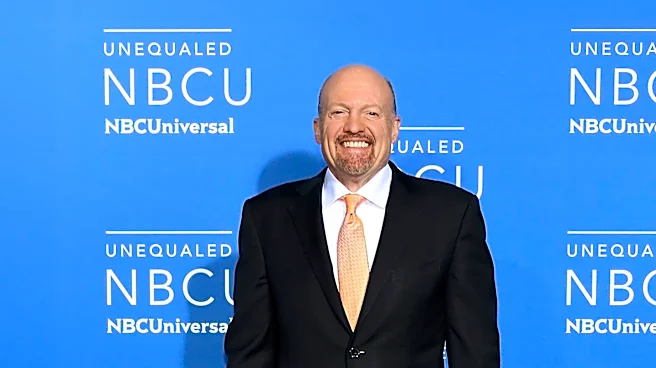
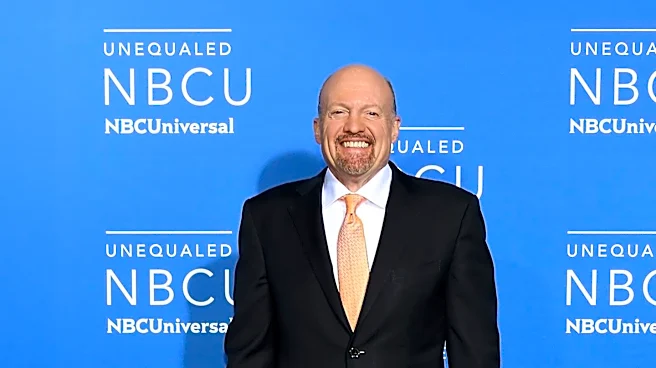
Financial commentator Jim Cramer has publicly supported GameStop's turnaround plan, stating on CNBC on November 24 that he believes the strategy 'actually works.' This endorsement follows a Needham analyst's 'Buy' rating for GameStop, which highlighted
the company's significant operational changes. GameStop has drastically reduced its physical footprint, operating approximately 1,900 locations today compared to around 5,500 in 2019. This reduction in stores has coincided with a notable improvement in financial metrics. In the most recent quarter, GameStop's gross margin expanded to 43.7% from 29.1% previously, while selling, general, and administrative (SG&A) expenses decreased. Operating income saw a substantial rise to $160.2 million from $66.4 million. A key driver of this shift is the company's increased focus on collectibles, which now account for 45.1% of net sales, up from 19% two years ago. Collectibles revenue surged by 57% year-over-year to $356.3 million in the fiscal second quarter. The company's management has also raised its fiscal 2026 adjusted EBITDA outlook to over $650 million.
Why It's Important?
Jim Cramer's endorsement and Needham's bullish outlook signal a potential shift in how the market perceives GameStop, moving beyond its 'meme-stock' history. The company's strategic pivot from traditional video game sales to a greater emphasis on collectibles and a leaner retail operation demonstrates an adaptation to changing consumer behaviors and market dynamics. The significant improvement in gross margins and operating income suggests that the cost-cutting measures and revenue diversification are yielding positive financial results. This transformation could serve as a case study for other struggling retail chains facing similar challenges from digital disruption. For investors, the analyst's valuation of GameStop's cash and eBay stake at approximately $15 per share provides a potential floor for the stock, suggesting a more stable investment profile than its volatile past. The success of this turnaround could influence investment strategies in the retail sector, highlighting the importance of operational efficiency and niche market focus.
What's Next?
GameStop's continued execution of its turnaround strategy will be closely watched by investors and analysts. The company's ability to sustain growth in its collectibles segment and further optimize its store footprint will be critical. Future earnings reports will provide more insight into whether the improved financial metrics are a consistent trend or a temporary boost. The market's reaction to these developments, particularly from institutional investors who may have previously avoided the stock due to its volatility, will be a key indicator. Additionally, the performance of GameStop's stake in eBay will influence its overall financial health, as a decline in eBay's stock could negatively impact returns. The company's management will likely continue to focus on expense management and exploring new avenues for revenue generation within the collectibles market, potentially through further expansion of product offerings or digital initiatives.
Beyond the Headlines
GameStop's transformation reflects a broader trend in retail where companies are forced to innovate and adapt to survive in an increasingly digital marketplace. The shift towards collectibles highlights the enduring value of physical goods and niche markets, even in an era dominated by digital downloads and e-commerce. This strategy taps into consumer demand for tangible items, community, and nostalgia, which can be more resilient to economic downturns than traditional retail. The company's ability to leverage its brand recognition, even after its meme-stock phenomenon, to pivot into a new revenue stream demonstrates the power of brand equity. Furthermore, the story of GameStop's turnaround could influence how analysts and investors evaluate companies with a challenging past, encouraging a deeper look into fundamental business changes rather than solely focusing on historical market sentiment. This could lead to a re-evaluation of other 'legacy' retailers and their potential for reinvention.