






What's Happening?
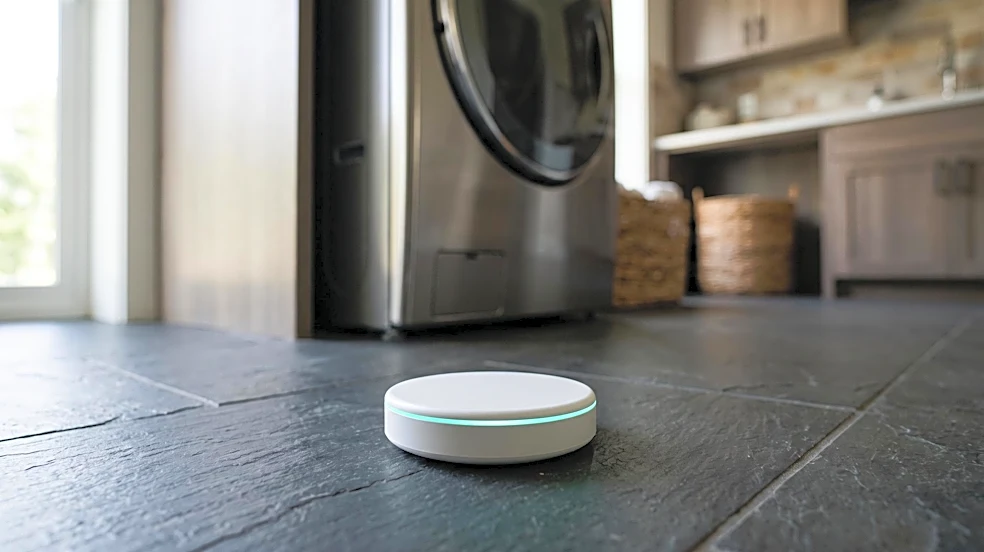
A recent survey conducted by Nationwide indicates that a significant majority of homeowners, 81%, would be willing to use monitoring devices for water leaks and electrical fire hazards if their insurance providers offered them for free. Despite this high
interest, current adoption rates for these devices are low. Only 25% of homeowners possess water leak detectors or automatic shut-off systems, and a mere 15% have devices to monitor electrical fire hazards. The survey also highlighted that 44% of homeowners are surprised by the rapid accumulation of unexpected costs after purchasing a home, while 36% are taken aback by the cost of homeowners insurance. Helen Simonett, vice president of personal property lines at Nationwide, emphasized the importance of understanding potential home maintenance needs to prevent avoidable damage, especially as many homeowners anticipate staying in their homes longer than initially planned.
Why It's Important?
This disparity between homeowner interest and actual adoption of safety devices presents a significant opportunity for the U.S. insurance industry and its agents. Water damage claims are among the most frequent and expensive for homeowners, making leak detection a critical area for loss prevention. By offering free monitoring devices, insurers could potentially reduce claim payouts, leading to more stable premiums for policyholders and improved profitability for companies. For personal lines agents, this gap is a chance to enhance client relationships and provide added value by discussing these devices during policy binding or renewal. Furthermore, addressing the unexpected costs of homeownership, as highlighted by the survey, could lead to more transparent communication between insurers, agents, and homeowners, fostering greater trust and satisfaction within the housing market.
What's Next?
Insurers, particularly those like Nationwide, are likely to explore strategies to bridge the gap between homeowner interest and the adoption of preventative devices. This could involve developing programs to subsidize or provide free leak and fire sensors, integrating these offerings into existing insurance policies, or partnering with technology providers. Personal lines agents will play a crucial role in educating homeowners about the benefits of these devices and facilitating their installation. The industry may also see a push for more comprehensive pre-purchase home assessments to better inform buyers about potential future costs and maintenance needs. This could lead to new services or partnerships aimed at providing homeowners with a clearer financial picture before and after closing on a home.
Beyond the Headlines
The survey's findings underscore a broader shift in consumer behavior and expectations within the U.S. housing market. Homeowners are increasingly seeking proactive solutions to protect their investments and manage costs, moving beyond traditional insurance models that primarily focus on post-event compensation. This trend could accelerate the integration of smart home technology into insurance offerings, transforming the industry from reactive to preventive. It also highlights the evolving role of insurance agents as advisors who can help clients navigate complex home maintenance and risk management decisions. The emphasis on financial stability over wealth accumulation, as noted in other related reports, suggests that homeowners are prioritizing security and cost control, which will likely drive demand for innovative insurance products and services that align with these evolving priorities.