





What's Happening?
Craft breweries in Hong Kong are facing regulatory hurdles that prevent them from serving their products on-site, leading to missed tourism opportunities. For instance, a South Korean tour group of 100 people was turned away from a Hong Kong craft beer
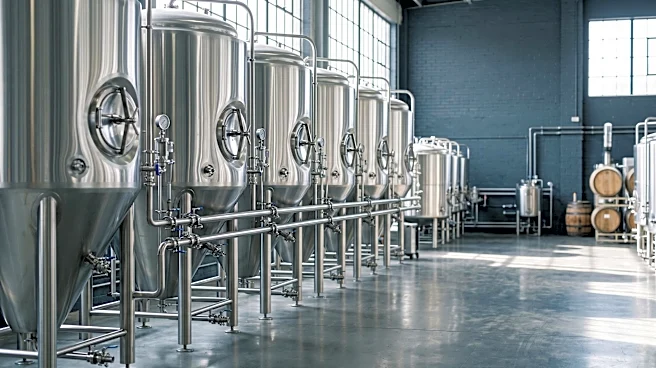
manufacturer because the brewery lacked the necessary license to serve beer on its premises. Many local craft beer manufacturers, including Yardley Brothers, operate in industrial buildings under food factory licenses to accommodate large equipment and manage costs. This licensing structure makes it challenging to obtain liquor licenses, which are required to offer on-site consumption. Industry leaders and a lawmaker are now calling for a review of the current licensing regime, overseen by the Food and Environmental Hygiene Department, to allow breweries to provide samples and sell their products directly to walk-in customers. They argue that such a change would align Hong Kong with practices in other major cities like London, New York, and Dublin, where brewery visits and on-site consumption are common tourist attractions.
Why It's Important?
The current licensing restrictions in Hong Kong are hindering the growth of its craft beer industry and limiting its potential contribution to the city's tourism economy. By preventing breweries from offering on-site tours and tastings, Hong Kong is missing out on a significant draw for international visitors who seek unique local experiences. This situation not only impacts the revenue potential of individual breweries but also diminishes Hong Kong's appeal as a diverse tourist destination. Allowing on-site serving would create new revenue streams for these businesses, foster a more vibrant local craft beer culture, and enhance the overall visitor experience. The proposed regulatory review could unlock economic benefits by attracting more tourists interested in culinary and beverage tourism, thereby supporting local businesses and diversifying the city's tourism offerings beyond traditional attractions. The inability to offer such experiences puts Hong Kong at a disadvantage compared to other global cities that embrace and promote their local craft beverage scenes.
What's Next?
Industry leaders and a lawmaker are actively pushing for a review of the licensing regime governed by the Food and Environmental Hygiene Department. The immediate next step involves engaging with the relevant authorities to highlight the economic and tourism benefits of allowing on-site beer consumption at breweries. This advocacy will likely include presenting case studies from other international cities where such practices are successful and demonstrating the potential for increased tourism revenue and job creation in Hong Kong. Stakeholders will aim to streamline the application process for liquor licenses for craft breweries operating in industrial settings or create a new category of permits tailored to their specific needs. The outcome of these discussions will determine whether Hong Kong's craft beer industry can expand its operations to include direct consumer engagement, potentially leading to new regulations that support on-site sales and tastings.
Beyond the Headlines
The debate over craft brewery licensing in Hong Kong touches upon broader issues of urban planning, economic diversification, and cultural identity. The current regulations, designed for traditional industrial operations, inadvertently stifle the growth of emerging industries like craft brewing, which blend manufacturing with experiential tourism. This situation highlights a tension between maintaining established regulatory frameworks and adapting to modern economic trends that prioritize unique consumer experiences. Furthermore, the push for on-site permits reflects a growing global appreciation for local, artisanal products and the desire for authentic cultural immersion among tourists. A successful reform could signal a more flexible and forward-thinking approach to regulation in Hong Kong, encouraging innovation and supporting small businesses. Conversely, a failure to adapt could see Hong Kong fall behind other cities in fostering a dynamic and diverse tourism landscape, potentially leading to a brain drain of entrepreneurial talent in the craft beverage sector.