





What's Happening?
Neil Anderson, general manager of Gardens of Babylon in downtown Nashville, has provided essential tips for protecting plants from impending cold temperatures and frost. As cooler weather approaches, Anderson advises gardeners to take proactive measures
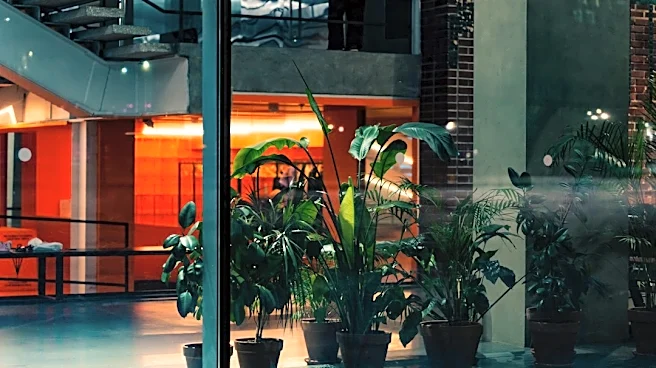
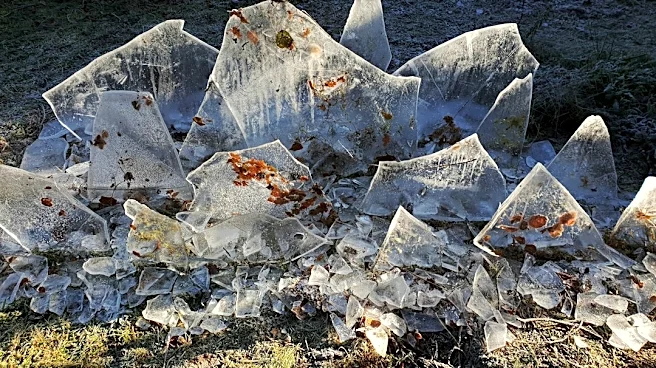
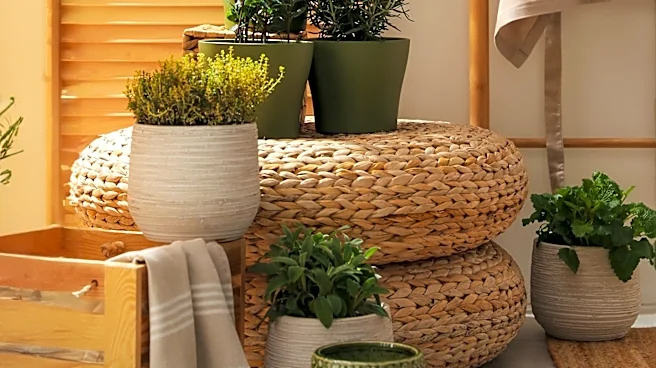
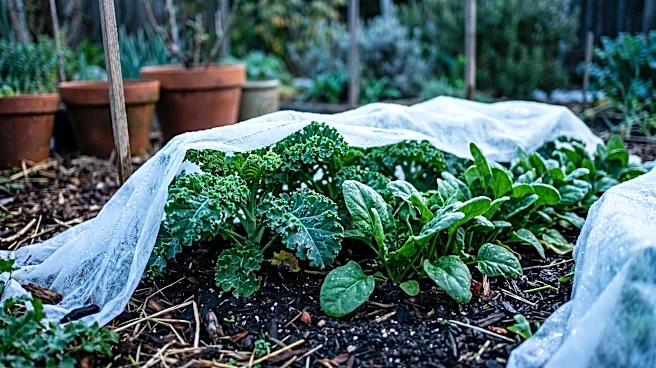
to ensure their plants survive the winter. Key recommendations include bringing tropical plants and houseplants indoors before temperatures drop below 40 degrees Fahrenheit. For potted plants that remain outside, he suggests watering them thoroughly before a freeze and checking them for water afterward, as plants can dehydrate themselves to cope with cold. Dormant plants like hostas and peonies should be cut back to soil level, while grasses and coneflowers can be left until late winter or early spring. Anderson also noted that cool-season vegetables such as kale, lettuce, and spinach can continue to grow through winter if covered with frost cloth or plastic, extending the harvest season for some vegetables like tomatoes through Thanksgiving with proper covering during cold snaps. Gardeners are also encouraged to use the winter months to reflect on their gardening successes and challenges from the past year.
Why It's Important?
These tips are crucial for gardeners in Nashville and similar climates, as they can significantly reduce plant loss and extend growing seasons, leading to more successful and sustainable gardening practices. Protecting plants from frost not only saves money on replacing damaged flora but also preserves the aesthetic and ecological value of home gardens and landscapes. For those growing vegetables, extending the harvest season can contribute to household food security and reduce reliance on store-bought produce during colder months. The advice on reflecting on the gardening year promotes continuous learning and improvement among gardeners, fostering a more knowledgeable and resilient gardening community. This guidance helps both novice and experienced gardeners navigate the challenges of seasonal weather changes, ensuring their efforts throughout the year are not undone by a sudden cold snap.
What's Next?
Gardeners in Nashville and surrounding areas are expected to implement these protective measures as temperatures continue to drop. The advice provided by Neil Anderson will likely guide immediate actions such as moving sensitive plants indoors, covering outdoor plants, and adjusting watering routines. As winter progresses, gardeners will continue to monitor weather forecasts and adapt their plant care strategies accordingly. The recommendation to reflect on the past gardening season suggests that many will use the slower winter months for planning and education, preparing for the next growing cycle with improved knowledge and techniques. Local garden centers and horticultural experts may continue to offer workshops or additional advice as the season unfolds, reinforcing these practices and addressing specific challenges that arise.
Beyond the Headlines
The emphasis on plant protection and seasonal adaptation highlights a broader trend towards resilient gardening and sustainable living. As climate patterns become more unpredictable, understanding how to safeguard plants from extreme weather events becomes increasingly vital. This local advice contributes to a larger movement of fostering self-sufficiency and environmental stewardship within communities. The act of gardening itself, especially when successful through challenging conditions, can also provide significant mental health benefits, offering a sense of accomplishment and connection to nature. Furthermore, the sharing of such practical knowledge by experts like Neil Anderson underscores the importance of local expertise in adapting global environmental changes to specific regional contexts, empowering individuals to maintain green spaces despite climatic shifts.