






What's Happening?
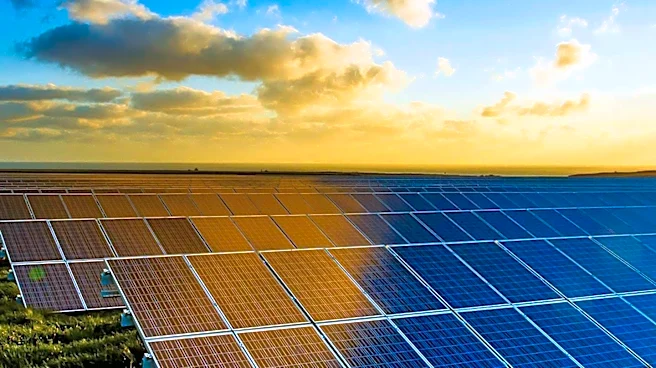
Meta, the parent company of Facebook, WhatsApp, and Instagram, has signed a power purchase agreement (PPA) with Virginia-based Apex Clean Energy for a 144MW solar farm named Starling Solar in Gonzales County, Texas. This marks the seventh such deal between
Meta and Apex. Under the agreement, Meta will gain exclusive rights to the renewable energy credits generated by Starling Solar, which will feed electricity into the local grid managed by ERCOT. While Meta will not be the primary off-taker of the energy, the PPA allows the company to utilize the clean energy production in its net-zero reporting, aligning with its broader strategy to reduce its carbon footprint. This initiative is part of Meta's increased focus on securing clean energy, particularly as it expands its investments in AI and data centers, which are significant energy consumers. Commercial operations for the Starling Solar project are anticipated to commence in 2027.
Why It's Important?
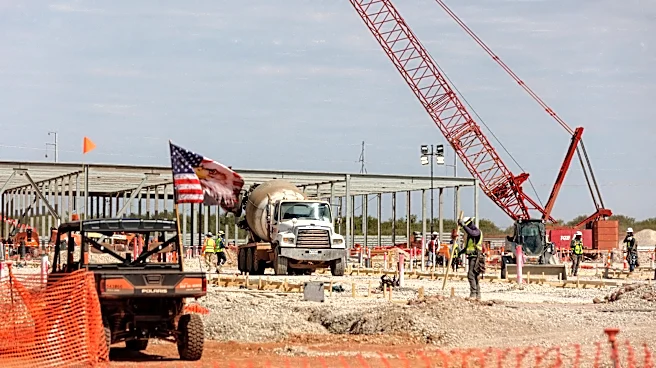
This agreement is significant for several reasons, primarily highlighting the growing demand for clean energy solutions from large technology companies like Meta, driven by their expanding AI infrastructure and data center needs. The deal underscores the strategic importance of securing renewable energy credits for corporations aiming to meet net-zero emissions targets and enhance their environmental, social, and governance (ESG) profiles. For Texas, the Starling Solar project will contribute new capacity to the ERCOT grid, bolstering the state's energy independence and potentially stabilizing energy supply. Economically, the project is projected to bring substantial benefits to Gonzales County, including approximately $27 million in tax revenue over its lifetime, with $15.6 million earmarked for local schools, and over $26.3 million in landowner payments. Additionally, the construction phase is expected to create 400 to 450 jobs, providing a temporary economic boost to the local community.
What's Next?
The Starling Solar project is slated to begin commercial operations in 2027, at which point it will start feeding electricity into the ERCOT grid and generating renewable energy credits for Meta. Meta is expected to continue its aggressive pursuit of similar power purchase agreements with other energy providers, as evidenced by its recent deals with RWE and Zelestra for other solar projects in Texas and Louisiana. This ongoing strategy indicates a sustained commitment to powering its expanding AI and data center operations with clean energy. The success and impact of the Starling Solar project in Gonzales County will likely serve as a model for future collaborations between technology giants and renewable energy developers, particularly in regions with scalable resources and favorable regulatory environments for clean energy development. Local communities will monitor the promised economic benefits, including tax revenues and landowner payments, as the project progresses.
Beyond the Headlines
This deal reflects a broader trend where major technology companies are becoming significant players in the energy market, not just as consumers but also as drivers of renewable energy development. The increasing energy demands of AI and data centers are pushing these companies to invest directly in large-scale clean energy projects, moving beyond traditional energy procurement methods. This shift has profound implications for the energy sector, accelerating the transition to renewables and influencing grid infrastructure development. Furthermore, the focus on renewable energy credits highlights the complex mechanisms companies use to achieve sustainability goals, allowing them to claim green credentials even when the generated electricity is fed into the general grid. This raises questions about the true impact of such arrangements on local energy consumption and the broader energy mix, as well as the role of corporate responsibility in driving genuine environmental change versus meeting reporting requirements. The long-term economic benefits for rural communities hosting these projects also warrant close observation, ensuring that the promised local investments materialize and create sustainable growth.