





What's Happening?
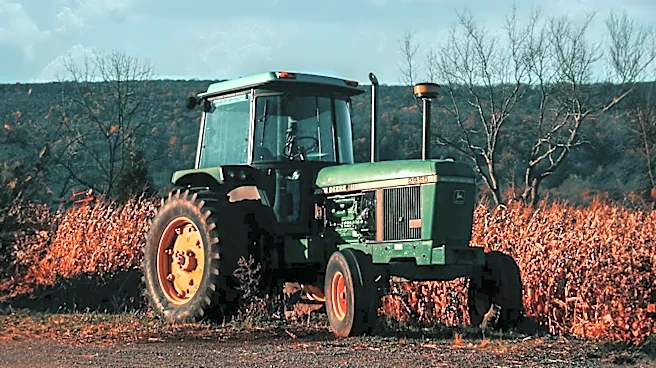
Minnesota Attorney General Keith Ellison announced at Farmfest that a recent settlement with John Deere is a significant victory for rural Minnesota. The settlement requires John Deere to open its repair software to independent shops, addressing concerns
over the company's control over equipment repairs. Ellison, alongside Minnesota Farmers Union President Gary Wertish, emphasized that this move is crucial for farmers who have been limited to using authorized dealers for repairs. The settlement, reached in U.S. District Court in July, mandates Deere to provide repair resources such as diagnostic tools and technical manuals to farmers and independent repair shops for at least a decade. This agreement also prevents Deere dealers from retaliating against customers who choose independent repair options.
Why It's Important?
The settlement is a pivotal moment for the agricultural sector, particularly for farmers who have long been restricted by John Deere's repair policies. By allowing independent repair shops access to necessary tools and information, the agreement promotes competition and could lead to reduced repair costs for farmers. This development is part of a broader 'right to repair' movement, which advocates for consumer rights to repair their own equipment. The settlement could set a precedent for other manufacturers, potentially leading to more widespread changes in the industry. Farmers stand to benefit from increased repair options and potentially lower costs, while Deere's compliance with the settlement terms will be closely monitored.
What's Next?
Attorney General Ellison indicated that his office might investigate other manufacturers with similar practices, suggesting that the settlement with John Deere could be the first step in a larger effort to ensure fair repair practices across the industry. Manufacturers like Case IH may face scrutiny if they do not voluntarily align with the new standards set by the Deere settlement. The ongoing 'right to repair' debate is likely to continue, with potential legislative actions or further legal challenges aimed at expanding consumer repair rights.