

What's Happening?
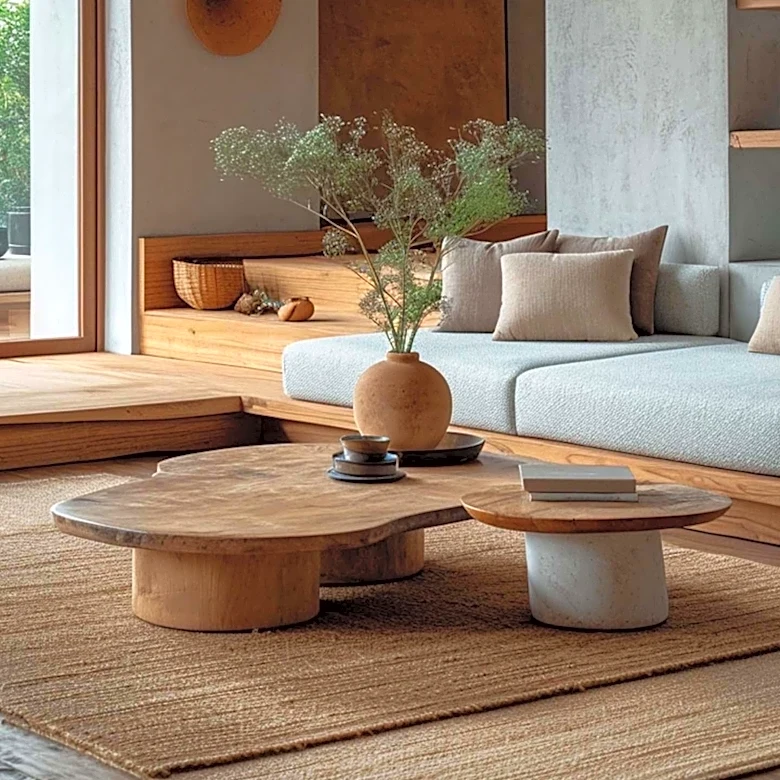
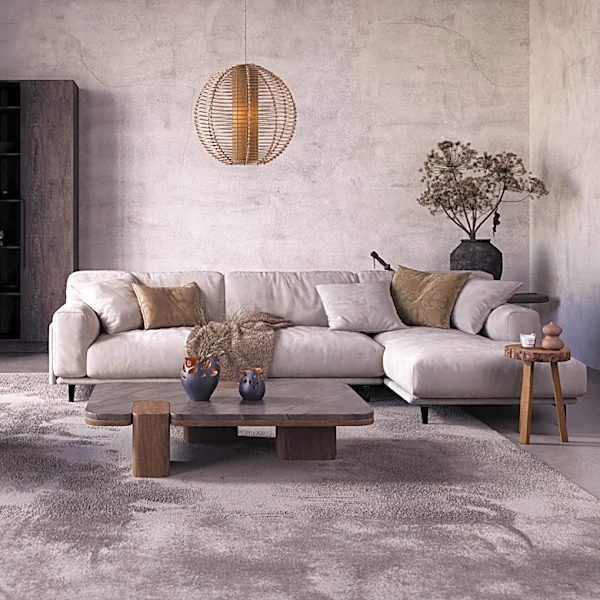
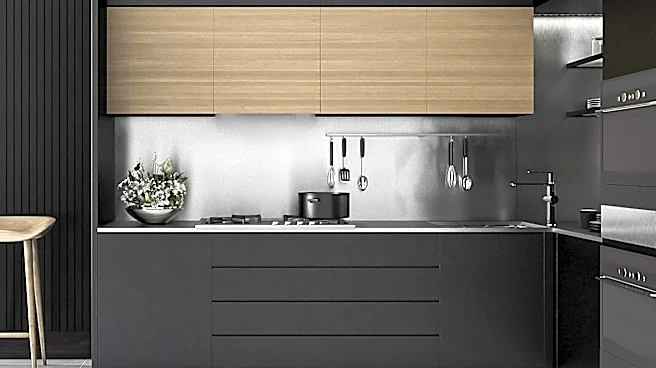
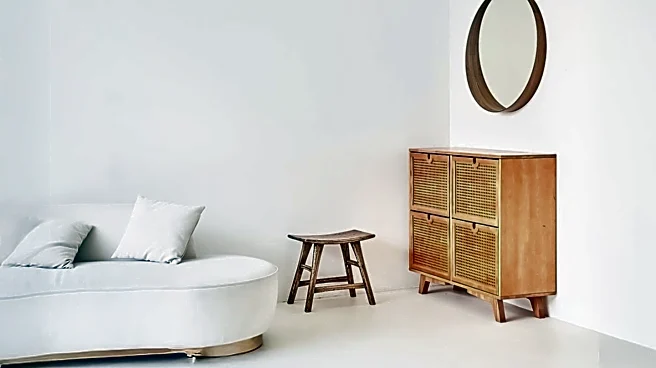
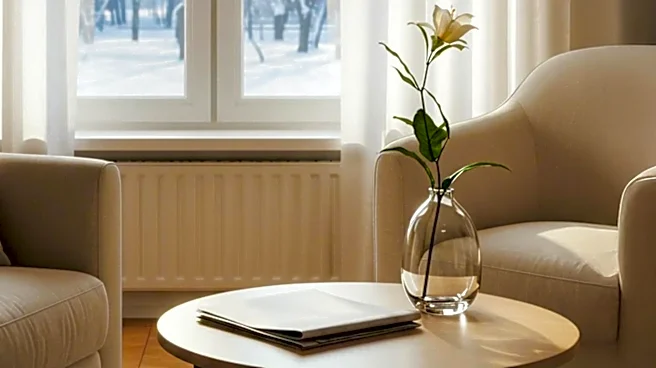
Restorative minimalism is set to become a prominent home design trend in 2027, moving beyond traditional stark minimalist aesthetics. This new approach integrates natural colors, organic materials, and comfortable textures to create peaceful and relaxing
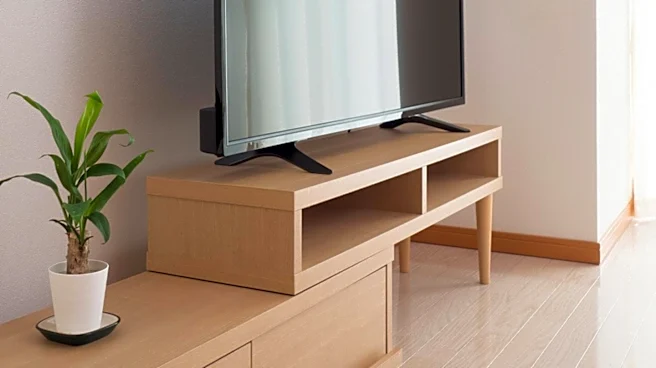
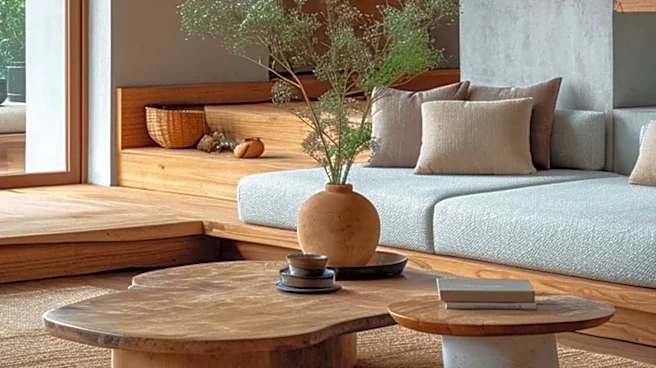
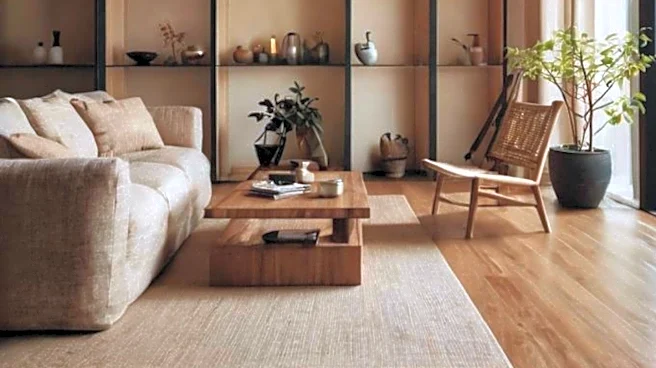
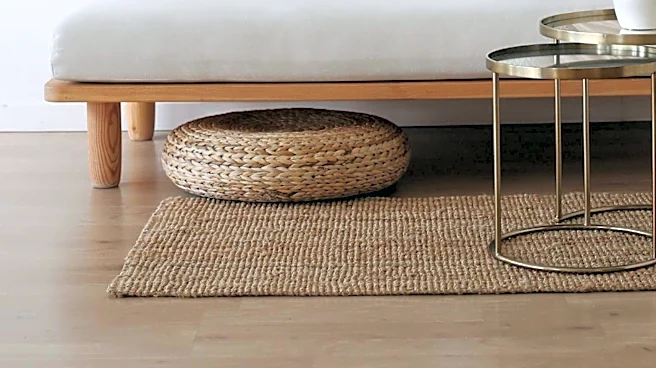
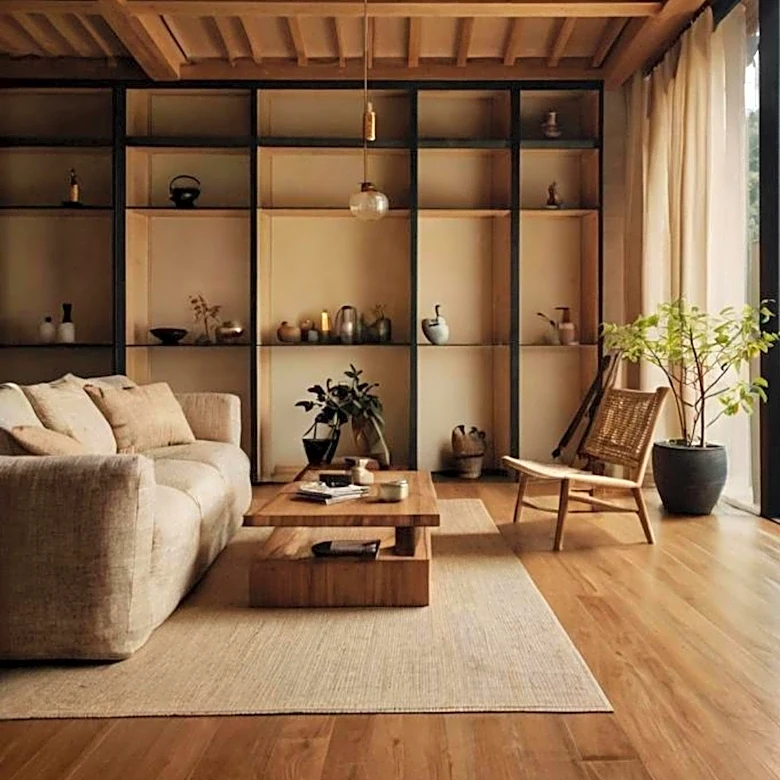
living environments. According to Sherwin-Williams’ Winter 2026 Trend Report, this design philosophy reflects a growing desire for homes that offer comfort and a connection to nature. It combines simple interiors with natural character, craftsmanship, and subtle color variations, emphasizing comfort without unnecessary decoration or visual clutter. Key elements include natural wood, textured fabrics, earthy finishes, and neutral accents. The trend also introduces richer, nature-inspired shades like sage green, muted blue, and moody brown, alongside warm off-white tones, as seen with Dutch Boy’s 2027 Colour of the Year, Deep Rooted (311-7DB). This style shares similarities with Japandi and Scandinavian interiors, both of which prioritize simplicity, functionality, and natural materials to create welcoming spaces.
Why It's Important?
The rise of restorative minimalism signifies a shift in consumer preferences within the U.S. home design and decor industries. This trend suggests a growing demand for products and services that promote well-being, comfort, and a connection to nature, moving away from more austere design styles. Manufacturers and retailers of home furnishings, paint, and building materials will need to adapt their offerings to align with this aesthetic, focusing on natural textures, sustainable materials, and a palette of earthy, calming colors. Interior designers and architects who embrace this trend are likely to see increased demand for their services, as homeowners seek to transform their living spaces into restorative sanctuaries. The emphasis on natural elements could also boost industries related to sustainable sourcing and eco-friendly products. Conversely, companies that continue to focus solely on stark, traditional minimalism may find their market share diminishing as consumer tastes evolve towards more inviting and natural environments.
What's Next?
As restorative minimalism gains traction, expect to see a proliferation of products and design solutions tailored to this trend in the coming year. Paint companies will likely introduce new color palettes featuring sage greens, muted blues, and warm browns. Furniture manufacturers will focus on pieces made from natural wood, rattan, and other organic materials, often with textured upholstery. Home decor retailers will stock more handcrafted items, linen fabrics, and accessories that emphasize natural textures and subtle color variations. Design publications and influencers will increasingly showcase homes styled in this manner, further solidifying its presence in the market. Additionally, there may be a greater emphasis on sustainable and ethically sourced materials, as the connection to nature extends beyond aesthetics to environmental consciousness. Homeowners can anticipate easier access to resources and products that enable them to adopt this comfortable and nature-inspired design approach without extensive renovations.
Beyond the Headlines
The emergence of restorative minimalism reflects broader societal shifts towards well-being, mindfulness, and a desire for sanctuary in an increasingly fast-paced and digital world. This design trend is not merely about aesthetics but also about creating environments that support mental and emotional health. The emphasis on natural elements and calming colors can reduce stress and promote a sense of peace, aligning with a growing cultural appreciation for biophilic design—the practice of connecting building occupants more closely to nature. This trend could also signal a move away from purely consumerist design choices towards more thoughtful, intentional living spaces that prioritize comfort and personal restoration. It highlights a deeper cultural yearning for authenticity and a retreat from artificiality, suggesting that future design trends will continue to integrate elements that foster a sense of calm and connection to the natural world.