

What's Happening?
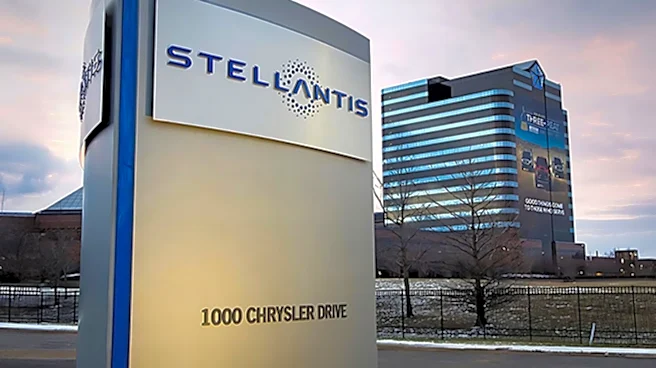
Fitch Ratings has assigned Stellantis N.V. a Long-Term Issuer Default Rating (IDR) of 'BBB' with a Negative Outlook. This rating, issued on November 24, 2026, also includes senior unsecured ratings of 'BBB' and subordinated ratings of 'BB+'. The Negative Outlook primarily
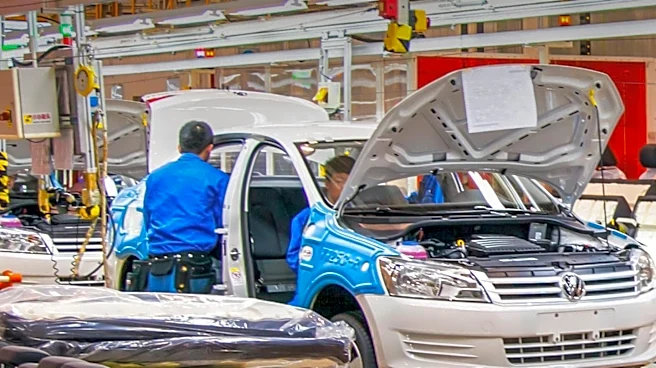
reflects the execution risks associated with Stellantis' ongoing restructuring of its manufacturing operations and product lineup. Despite a difficult 2025, Stellantis' nine-month 2026 results showed signs of operational recovery, with the adjusted operating margin improving to 1.7% from 0.6% a year earlier, driven by industrial cost savings and better pricing in North America. Fitch projects an EBIT margin of 1.4% for full-year 2026, with a gradual expansion towards 4% over the medium term. The ratings agency expects free cash flow (FCF) to be negative by approximately €3 billion in 2026, before returning to modest positive territory in 2027, with a net cash position projected by 2029.
Why It's Important?
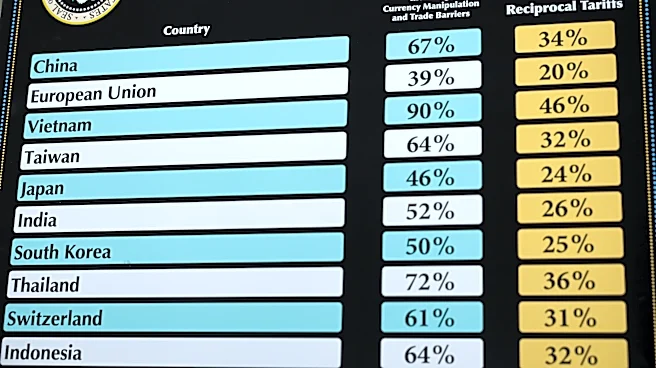
The 'BBB' rating with a Negative Outlook from Fitch Ratings signals potential challenges for Stellantis, a major player in the U.S. automotive market. The execution risks tied to its restructuring and product lineup could impact its competitive standing, particularly with increasing Chinese competition in Europe, which could pressure pricing and volumes. For U.S. consumers, this could mean shifts in vehicle availability, pricing, or product offerings if Stellantis's financial health or operational efficiency is significantly affected. The company's reliance on imports for 40% of its 1.3 million U.S. vehicle sales in 2024, primarily from Mexico, Canada, and Europe, makes it susceptible to tariff expenses, estimated at €1 billion in 2026. A failure to achieve positive free cash flow in 2027, as warned by Fitch, could lead to a downgrade, potentially increasing borrowing costs and impacting investment in new technologies or manufacturing capabilities relevant to the U.S. market.
What's Next?
Stellantis faces a critical period in the coming years, with Fitch expecting free cash flow to turn negative in 2026 before potentially recovering in 2027. The company's ability to return to a net cash position by 2029 will depend on disciplined capital allocation and successful execution of its restructuring plans. A failure to achieve positive free cash flow in 2027 would likely result in a downgrade of its credit rating. Stellantis is also actively addressing the challenge of Chinese competition in Europe through partnerships with Leapmotor and Dongfeng, aiming to utilize European plant capacity. The company's preliminary 2026 guidance includes an estimated €1 billion in net tariff expenses, a factor that will continue to influence its financial performance. Stakeholders, including investors and consumers, will be closely watching Stellantis's progress in managing these operational and competitive pressures.
Beyond the Headlines
The Fitch rating and its negative outlook for Stellantis highlight broader trends within the global automotive industry, particularly the increasing pressure from Chinese original equipment manufacturers (OEMs) and the complexities of international trade tariffs. Stellantis's strategy of forming partnerships with Chinese companies like Leapmotor and Dongfeng to utilize European plant capacity could represent a significant shift in how traditional automakers respond to new market entrants and global competition. This approach could lead to more integrated global supply chains and potentially influence future vehicle development and manufacturing strategies. The ongoing restructuring efforts by Stellantis also underscore the industry's continuous need to adapt to evolving consumer demands, technological advancements, and geopolitical factors, with implications for labor markets, environmental regulations, and the overall economic landscape in regions where Stellantis operates, including the U.S.