



What's Happening?
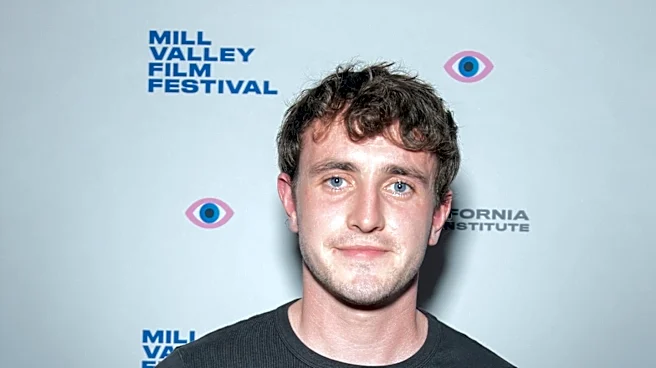
Ridley Scott's representative has refuted rumors suggesting the director blamed actor Paul Mescal for the box office performance of 'Gladiator II'. The rumors, which gained traction following a report from Puck's Matthew Belloni, claimed that individuals
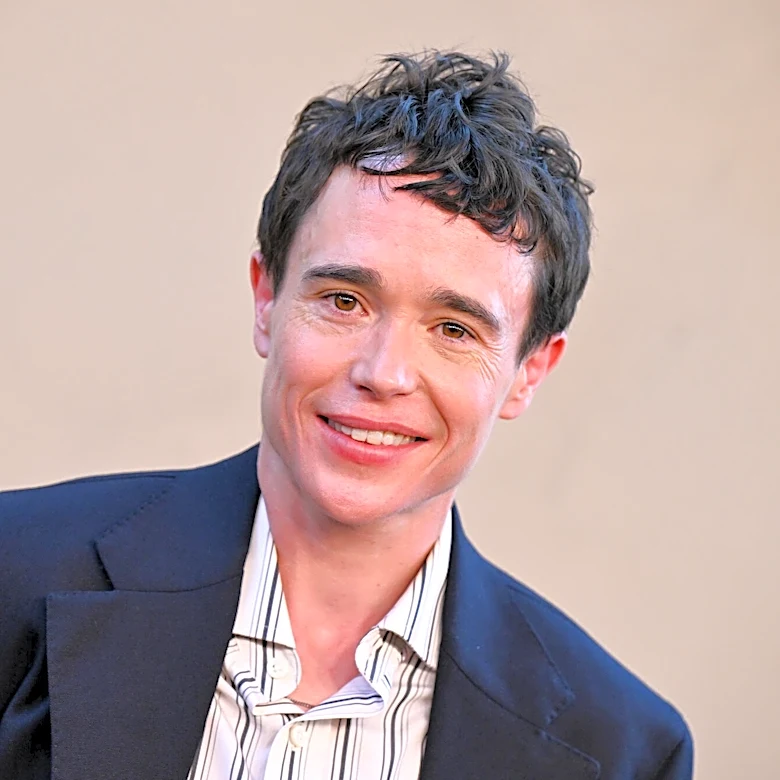
close to the production believed Scott felt Mescal was not 'masculine enough' for his role as Lucius. This speculation intensified when Mescal withdrew from Scott's upcoming film 'The Dog Stars', where he was replaced by Jacob Elordi. While Mescal cited scheduling conflicts with Sam Mendes' Beatles biopic series as the reason for his departure, the rumors persisted. Scott's representative clarified to Just Jared that the director 'loves Paul and was excited to work with him on Dog Stars' and that Mescal's rehearsal schedule for another film prevented his involvement. The representative also stated that Scott was pleased with Elordi's performance in the role.
Why It's Important?
This situation highlights the intense scrutiny and speculative nature surrounding high-profile film productions and the careers of actors and directors. The box office performance of a major sequel like 'Gladiator II' can lead to internal and external pressures to identify reasons for its commercial reception, whether positive or negative. The rumor about Mescal's 'masculinity' touches upon broader discussions within the entertainment industry regarding casting choices, character portrayal, and evolving definitions of masculinity in cinema. For actors, such rumors, even if denied, can impact public perception and future casting opportunities. For directors, managing public narratives around their projects and collaborations is crucial for maintaining professional relationships and the integrity of their creative vision. The swift denial from Scott's camp underscores the importance of controlling information in an industry heavily influenced by public opinion and media narratives.
What's Next?
While Ridley Scott's representative has issued a clear denial, the initial rumors and the subsequent clarification may continue to be discussed within entertainment circles. Paul Mescal will proceed with his role in Sam Mendes' Beatles biopic series, which was cited as the reason for his scheduling conflict with 'The Dog Stars'. Jacob Elordi has taken over Mescal's role in 'The Dog Stars', and the film's release will likely be observed for its performance and critical reception, potentially drawing comparisons to the earlier casting discussions. The incident also serves as a reminder for industry professionals to manage public statements and project timelines carefully, especially when multiple high-profile projects and talents are involved. Future collaborations between Scott and Mescal, if any, will be watched with interest to see if the professional relationship remains unaffected by these rumors.
Beyond the Headlines
Beyond the immediate denials and scheduling conflicts, this event touches on the evolving landscape of cinematic masculinity and audience expectations. The suggestion that an actor might not be 'masculine enough' for a role in a historical action drama like 'Gladiator II' reflects a traditional, perhaps outdated, view of male leads in such genres. Modern audiences and critics often appreciate nuanced portrayals of masculinity, moving beyond purely physical or stoic archetypes. Mescal's previous roles have demonstrated a capacity for both physical presence and emotional depth, challenging conventional definitions. The incident also underscores the power of social media and entertainment news outlets in amplifying rumors, regardless of their veracity, and the constant pressure on public figures to manage their image and narrative in a highly connected world. This discussion could contribute to a broader conversation within Hollywood about casting diversity and the representation of various forms of masculinity on screen.