




What's Happening?
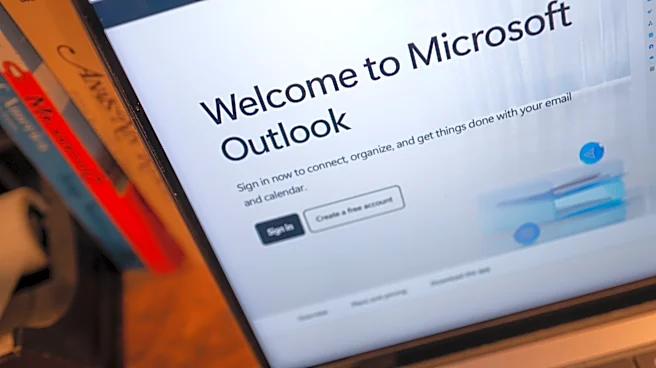
A recent Microsoft outage, which caused widespread problems with Outlook and other Microsoft 365 services on November 12, has led to a new theory among 'The Simpsons' fans. The speculation centers on an 11:17 a.m. timestamp associated with the outage.
Internet users are now suggesting that the show's previously discussed November 17 reference, found in Lisa Simpson's diary in the Season 35 episode 'It's a Blunderful Life,' might have been pointing to a specific time rather than a calendar date. An X user, @DivineHeart369, highlighted Microsoft's incident record, which listed an estimated start time of 11:17 a.m. Eastern for an Exchange Online disruption. While this connection has gained traction online, the source clarifies that there is no evidence to suggest the show's writers intended this as a hidden reference to a future technical issue.
Why It's Important?
This development underscores the pervasive influence of popular culture, particularly 'The Simpsons,' in shaping public interpretation of real-world events. The show's long history of perceived 'predictions' creates a fertile ground for speculative theories, even when coincidental numerical alignments occur. For technology companies like Microsoft, such viral theories, while often harmless, can add an unusual layer to public discourse surrounding technical issues, potentially distracting from the actual causes and resolutions of outages. It also highlights the power of social media in rapidly disseminating and amplifying these interpretations, regardless of their factual basis. This incident serves as a case study in how internet culture can intertwine fictional narratives with real-world occurrences, influencing public perception and discussion.
What's Next?
The ongoing discussion around the 11:17 timestamp is likely to continue as long as 'The Simpsons' maintains its cultural relevance and as new technical incidents occur. While Microsoft has attributed the November 12 disruption to a technical issue involving network infrastructure, rather than a cyberattack, the speculative theories persist. This situation may prompt further analysis from media outlets and fact-checkers to clarify the distinction between coincidence and intentional prediction. For the public, it reinforces the need for critical evaluation of information, especially when viral claims link fictional content to real-world events. The incident also demonstrates the enduring appeal of finding hidden meanings and connections in popular media.
Beyond the Headlines
The phenomenon of linking 'The Simpsons' to real-world events, particularly through numerical coincidences, taps into a deeper human psychological tendency to seek patterns and meaning. This can be seen as a form of apophenia, where people perceive meaningful connections between unrelated things. In the context of a long-running show like 'The Simpsons,' which has satirized countless aspects of modern life, it becomes statistically probable that some fictional scenarios will bear a resemblance to future events. The internet and social media platforms act as powerful amplifiers for these observations, transforming simple coincidences into viral 'predictions.' This cultural trend reflects a blend of entertainment, collective memory, and the human desire to find order or foresight in a complex world, even if it means attributing prophetic abilities to a cartoon.