








What's Happening?
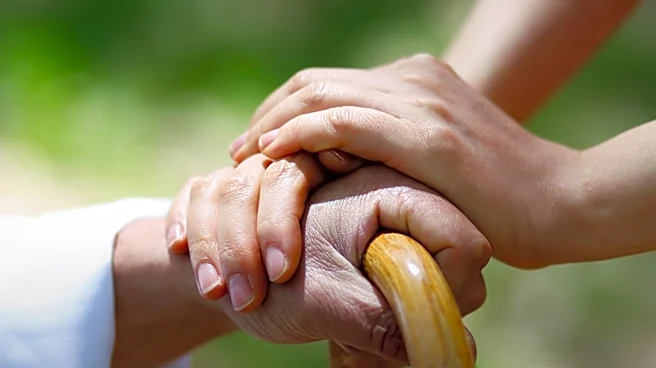
Human connection is being increasingly recognized as a vital, yet often overlooked, component of healthy aging. While diet and exercise are essential for physical wellness, strong social connections significantly support emotional well-being, cognitive
health, and overall quality of life for older adults. Meaningful relationships and a sense of belonging provide purpose, resilience, and encouragement to stay engaged. Studies have linked social connection to lower levels of social isolation and loneliness, better emotional well-being, reduced risk of cognitive decline, lower risk of heart disease, and greater motivation for physical and mental activity, ultimately contributing to improved overall health and longevity.
Why It's Important?
This recognition of human connection's importance in healthy aging is significant for the U.S. as it addresses a growing concern about social isolation and loneliness among older adults. These issues have been linked to various negative health outcomes, making social connection a critical public health matter. By emphasizing the role of relationships, this perspective encourages the development of community-based programs and support systems that can enhance the well-being of the aging population. It highlights that healthcare extends beyond medical treatments to include social and emotional factors, potentially leading to more holistic care models and a better quality of life for seniors.
What's Next?
Moving forward, there will likely be increased efforts to create environments and programs that foster social connections for older adults. This could include community centers, intergenerational activities, and initiatives designed to combat loneliness. Healthcare providers may also begin to incorporate social well-being assessments into routine check-ups, and refer patients to social support services. The focus will be on building and maintaining meaningful relationships through everyday interactions, such as shared meals, group activities, and volunteering, to ensure that older adults remain engaged and connected within their communities.
Beyond the Headlines
The emphasis on human connection for healthy aging has deeper implications for societal values and urban planning. It challenges the individualistic tendencies often prevalent in modern society and underscores the fundamental human need for belonging. This could lead to a re-evaluation of how communities are designed, promoting spaces that encourage interaction and social engagement. Furthermore, it highlights the ethical responsibility of society to support its aging population not just physically, but also emotionally and socially, fostering a more compassionate and interconnected society for all age groups.