






What's Happening?
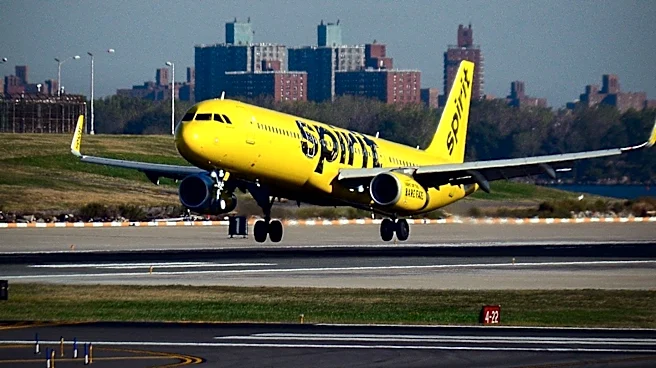
An editorial from Aviation Week has reported that Spirit Airlines, a prominent U.S. low-cost carrier, was unable to survive the series of global crises that characterized 2026. The year began with optimism, but quickly devolved into a period of relentless
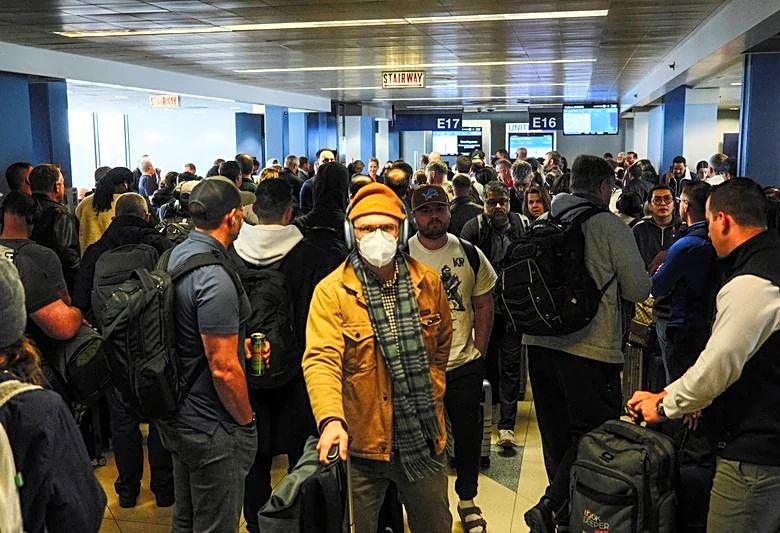
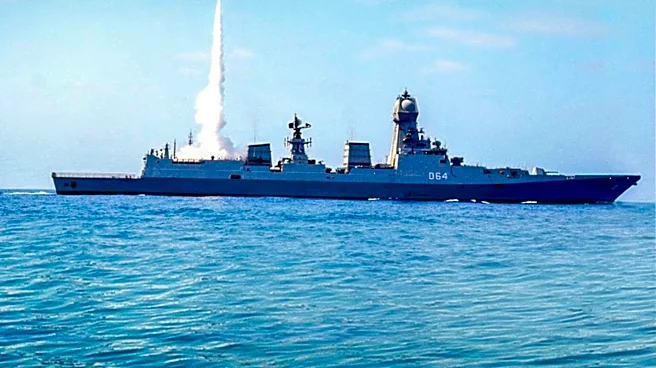
challenges for the airline industry, including high oil prices, elevated oil crack spreads, and widespread flight rerouting and cancellations. These issues were exacerbated by the conflict launched by the U.S. and Israel against Iran, which significantly impacted global air transport. The editorial describes 2026 as a year where the industry became a 'ping-pong ball ricocheting from one crisis to another,' with airports and airlines, along with their employees and passengers, becoming 'collateral targets in a new era of drone warfare.' Despite these severe disruptions, demand for air travel remained high, and the world's airlines were still expected to be profitable by year-end, albeit with significantly reduced profits compared to earlier predictions.
Why It's Important?
The reported failure of Spirit Airlines underscores the severe and multifaceted pressures facing the U.S. airline industry and the broader global economy. Spirit Airlines' inability to withstand the 2026 crises highlights the vulnerability of even established carriers to external shocks such as geopolitical conflicts and fluctuating oil prices. This event could lead to a consolidation within the U.S. low-cost carrier sector, potentially reducing competition and impacting airfare for consumers. The editorial's mention of airports and airlines becoming targets in drone warfare also signals a new and concerning dimension of risk for the aviation sector, which could necessitate significant investments in security and defense measures. For U.S. travelers, the loss of a major low-cost option like Spirit could mean fewer choices and potentially higher travel costs, especially for leisure travel, which is already facing a potential softening in demand due to the higher cost of living.
What's Next?
The immediate consequences of Spirit Airlines' reported failure would likely involve significant disruption for passengers with existing bookings and a re-evaluation of routes and market share by competing airlines. Other U.S. carriers may seek to acquire Spirit's assets or absorb its routes, leading to further consolidation in the industry. Regulators would likely scrutinize any such moves to ensure fair competition. The broader airline industry will need to adapt to the 'constant, more dangerous rapid fire of gotchas' described by Aviation Week, focusing on increased flexibility, data-driven decision-making, and maintaining healthy cash balances to weather future unforeseen events. The emphasis on drone warfare as a new threat suggests that security protocols and investments in counter-drone technologies will become increasingly critical for U.S. airports and airlines.
Beyond the Headlines
The reported demise of Spirit Airlines in 2026, as detailed in the Aviation Week editorial, points to a fundamental shift in the operating environment for the U.S. airline industry. Beyond the immediate financial and operational impacts, this event highlights the increasing interconnectedness of global geopolitics and commercial enterprise. The characterization of 2026 as a year of relentless, multi-directional crises suggests that the traditional 'black swan' event model, where major disruptions are singular and unforeseen, is no longer adequate. Instead, airlines must now contend with a continuous barrage of complex, overlapping challenges. This necessitates a re-evaluation of risk management strategies, business continuity planning, and potentially even the fundamental structure of airline operations to build greater resilience against a volatile global landscape. The ethical implications of civilian infrastructure becoming 'collateral targets' in conflicts also raise profound questions about international law and the protection of non-combatants in modern warfare.