



What's Happening?
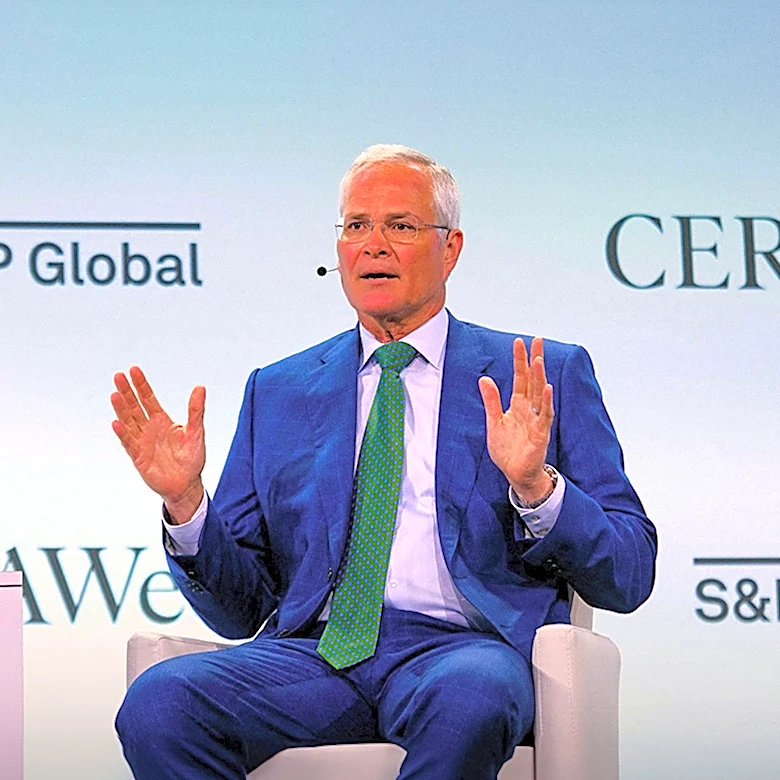
PG&E CEO Patti Poppe recently engaged in a one-on-one interview with 'Mad Money' host Jim Cramer. The discussion centered on critical issues facing California's power grid, including its future development and stability. Poppe also addressed the company's
strategies for reducing spending and the implications of pending legislation on PG&E's operations and long-term plans. This interview provides insight into the challenges and opportunities within California's energy sector, particularly concerning infrastructure, financial management, and regulatory environments. The conversation highlighted the complexities of managing a large utility in a state prone to environmental challenges and evolving energy policies.
Why It's Important?
This interview is significant for several reasons. PG&E is a major utility provider in California, and its operational health directly impacts millions of residents and businesses. Discussions about the future of California's power grid are crucial given the state's susceptibility to wildfires, which have historically been linked to utility infrastructure, and its ambitious renewable energy goals. Reducing spending could affect service quality, infrastructure upgrades, or customer rates, making it a key concern for consumers and investors alike. Furthermore, pending legislation can introduce new mandates or restrictions, influencing PG&E's financial performance and its ability to deliver reliable power. The insights from CEO Poppe offer a glimpse into how one of the nation's largest utilities plans to navigate these multifaceted challenges, impacting energy policy, environmental initiatives, and economic stability in California.
What's Next?
The discussions between PG&E CEO Patti Poppe and Jim Cramer suggest ongoing developments in California's energy landscape. Future actions will likely involve PG&E's implementation of strategies to enhance grid resilience, potentially through infrastructure investments and technological advancements. The company will also need to adapt to any new legislation, which could dictate changes in operational practices, safety protocols, or financial structures. Stakeholders, including state regulators, environmental groups, and consumer advocates, will closely monitor PG&E's progress on spending reductions and grid improvements. The outcomes of these efforts will determine the reliability and affordability of power for Californians and could set precedents for other utilities facing similar challenges in managing aging infrastructure and transitioning to cleaner energy sources.
Beyond the Headlines
Beyond the immediate financial and operational aspects, the conversation between Poppe and Cramer touches upon deeper implications for energy policy and corporate responsibility. The future of California's power grid is not just a technical or economic challenge but also a societal one, impacting public safety, environmental sustainability, and economic equity. The balance between reducing spending and ensuring grid reliability, especially in the face of climate change-induced events, presents an ethical dilemma for utility companies. The legislative landscape reflects the public's demand for accountability and resilience from essential service providers. This ongoing dialogue underscores the evolving role of utilities as critical infrastructure providers that must navigate technological innovation, regulatory pressures, and increasing public expectations for both service and environmental stewardship.