









What's Happening?
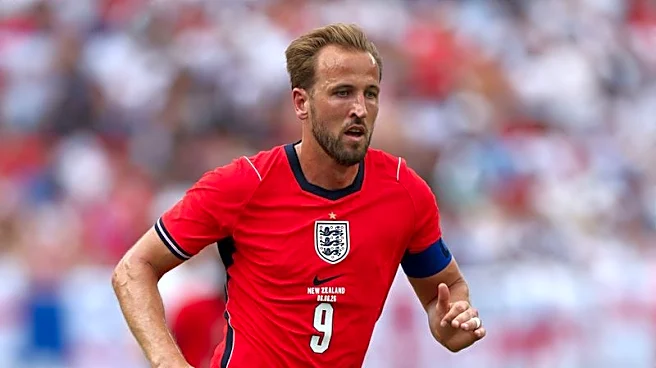
Athletes like Serena Williams, Lewis Hamilton, and Cristiano Ronaldo are competing well into their 40s, a trend increasingly common in elite sports. Advances in sports science, nutrition, and recovery techniques have enabled athletes to extend their careers
by managing the ageing process more effectively. The average age of Olympians and top football players has increased over the years, reflecting these advancements. Athletes are adapting their training and playing styles to accommodate physical changes, allowing them to remain competitive longer.
Why It's Important?
The ability of athletes to extend their careers has significant implications for sports industries, including marketing, sponsorship, and team dynamics. Older athletes bring experience and tactical understanding, which can be invaluable to teams. This trend also influences how younger athletes approach their careers, emphasizing the importance of long-term health and fitness strategies. The sports industry benefits from the continued presence of high-profile athletes, which can drive fan engagement and revenue.
Beyond the Headlines
The trend of athletes competing into their 40s raises questions about the limits of human performance and the role of technology in sports. Ethical considerations around the use of advanced recovery techniques and their accessibility to all athletes are ongoing discussions. Additionally, the financial incentives for extending careers highlight the commercial pressures in professional sports. As athletes continue to push boundaries, the sports community must balance innovation with fairness and accessibility.