







What's Happening?
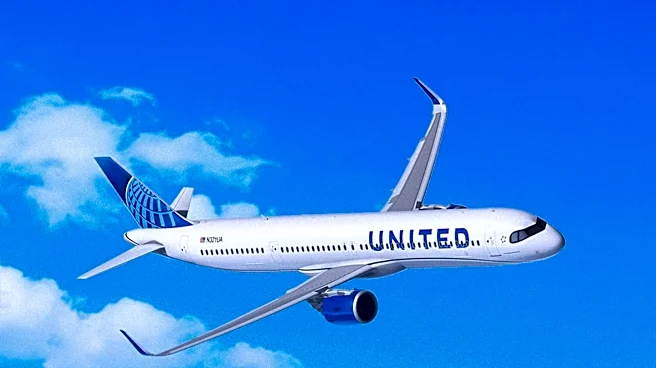
United Airlines Holdings CEO Scott Kirby is exploring significant expansion opportunities, particularly at New York's John F. Kennedy International Airport (JFK). Kirby indicated that United could seek additional airport slots at JFK, potentially from
other airlines that are not achieving favorable returns on their operations there. The airline is anticipated to resume service at JFK as early as next year through a partnership that includes JetBlue Airways. Beyond domestic expansion, United also intends to broaden its international network. The airline currently operates the largest international schedule among U.S. carriers and is preparing to add more overseas destinations to meet strong demand for international travel. Kirby has also previously discussed potential mergers involving United, Delta Air Lines, and American Airlines Group, though these ideas have faced resistance. Additionally, United is evaluating how artificial intelligence could transform various aspects of the airline industry.
Why It's Important?
United Airlines' strategic expansion at JFK and in its international network could significantly impact the competitive landscape of the U.S. airline industry. Increased presence at a major hub like JFK would intensify competition for passenger traffic and market share, potentially leading to more options or competitive pricing for consumers. The focus on international growth aligns with a strong global travel demand, positioning United to capitalize on lucrative overseas routes. This expansion could enhance United's long-term revenue opportunities, but it also carries potential risks, including higher operational costs and increased regulatory scrutiny. The CEO's consideration of potential combinations with other major airlines, despite past resistance, highlights an ongoing industry trend towards consolidation, which could reshape the market structure and consumer choices. Furthermore, the airline's assessment of AI's role in the industry signals a broader technological shift that could redefine operational efficiencies, customer service, and competitive advantages across the sector.
What's Next?
United Airlines is expected to resume service at JFK as early as next year, facilitated by its partnership with JetBlue Airways. The airline will likely pursue additional airport slots at JFK, which could involve negotiations or acquisitions from other carriers. Concurrently, United will continue to identify and launch new international routes to expand its global footprint, responding to sustained demand for overseas travel. The company will also be actively exploring and implementing artificial intelligence solutions to enhance its operations, customer experience, and overall efficiency. While potential mergers with other major airlines have faced resistance, the ongoing discussion suggests that such strategic considerations remain on the table for the long term. Investors and industry observers will be closely watching for announcements regarding new routes, slot acquisitions, and technological advancements as United executes its growth strategy.
Beyond the Headlines
United Airlines' aggressive growth strategy, particularly its focus on expanding at a highly competitive airport like JFK and its international network, reflects a broader industry trend of airlines seeking to consolidate power and optimize route profitability. The mention of potential mergers, even with past resistance, underscores the continuous pressure within the airline sector to achieve economies of scale and market dominance. This pursuit of growth, while potentially beneficial for shareholders, could lead to further concentration in the industry, raising questions about consumer choice and potential anti-competitive practices. Furthermore, the airline's proactive stance on integrating artificial intelligence into its operations points to a future where technology will play an increasingly critical role in every aspect of air travel, from logistics and maintenance to customer service and personalized experiences. This technological shift could redefine the skill sets required in the airline workforce and create new ethical considerations regarding data privacy and algorithmic decision-making.