





What's Happening?
Plymouth, Massachusetts, recently hosted 'Revolutionary Runway,' a fashion show that explored 250 years of American style, from colonial times to the present day. The event, held at the historic Hedge House, was a collaboration between the Plymouth Area
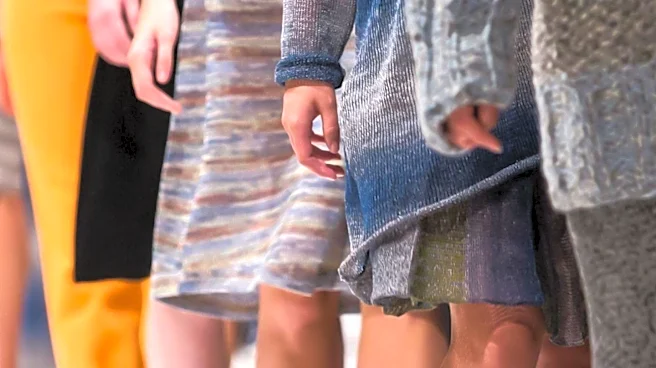
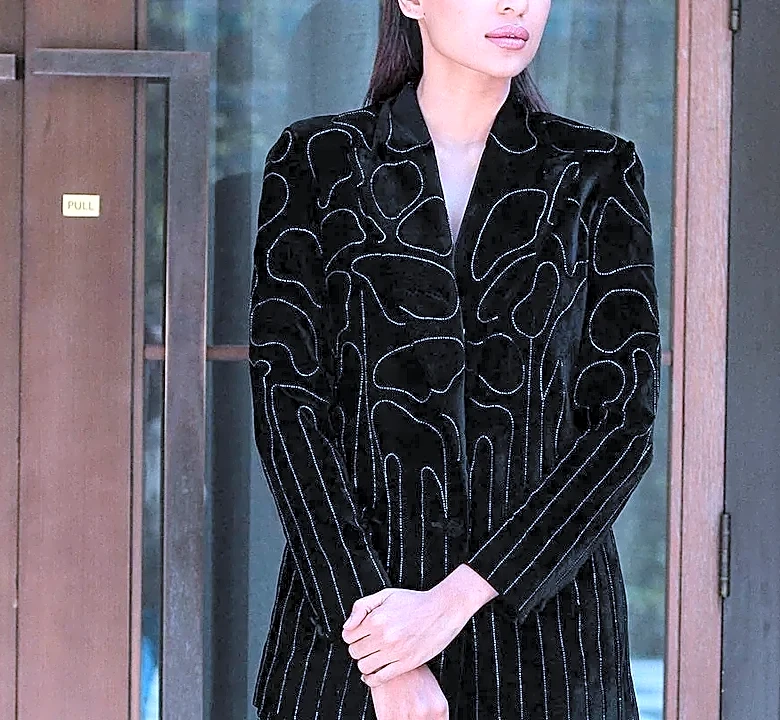
Chamber of Commerce and House Cat Vintage & Consignment. Local elected officials, business owners, and community leaders modeled vintage and secondhand clothing, showcasing how fashion has reflected and influenced cultural and social movements throughout U.S. history. The show began by acknowledging the Wampanoag Nation, with models wearing traditional regalia, including deerskin and a handmade ribbon skirt honoring Missing and Murdered Indigenous Women and People. Subsequent segments featured styles from various eras, such as 1800s hoop skirts, 1920s flapper dresses, 1960s psychedelic prints, 1970s bell-bottoms, 1980s vintage ski suits, 1990s grunge, and contemporary looks. Abby Thompson, owner of House Cat Vintage & Consignment, curated the clothing, emphasizing that all runway looks were available for purchase, promoting the idea of giving secondhand items a new life.
Why It's Important?
This fashion show is important as it uses clothing as a unique lens to understand American history and cultural evolution. By presenting 250 years of style, the event highlights how fashion is not merely aesthetic but a powerful indicator of societal shifts, values, and movements. The inclusion of traditional Wampanoag regalia at the outset underscores the importance of acknowledging indigenous history and culture within the broader American narrative, promoting inclusivity and historical awareness. Furthermore, the use of vintage and secondhand clothing for the entire show promotes sustainable fashion practices and encourages a re-evaluation of consumption habits. It demonstrates that historical and contemporary style can be achieved through repurposing, offering an alternative to fast fashion and its environmental impact. The participation of local officials and business leaders also strengthens community engagement and provides a platform for civic education through an accessible and entertaining medium, fostering a deeper connection between residents and their shared heritage.
What's Next?
Following the success of the 'Revolutionary Runway' event, there is potential for it to become an annual tradition in Plymouth, with organizers expressing interest in different themes each year. This could lead to continued exploration of various historical periods, cultural influences, or specific fashion movements, further engaging the community and promoting historical education. The event's emphasis on vintage and secondhand clothing may also inspire increased local interest in sustainable fashion and thrift shopping, potentially boosting local vintage businesses and encouraging more environmentally conscious consumer choices. Future iterations could expand to include educational workshops on fashion history, sustainable practices, or even design competitions for local talent, solidifying Plymouth's role as a hub for cultural and historical appreciation through the medium of fashion. The positive reception from participants and attendees suggests a strong foundation for the event's growth and continued impact on both cultural awareness and local commerce.
Beyond the Headlines
Beyond its immediate appeal as a fashion show, 'Revolutionary Runway' subtly addresses deeper societal themes. The event's curation of styles across centuries implicitly comments on evolving gender roles, social norms, and technological advancements that have shaped how Americans dress. For instance, the transition from restrictive corsetry to more liberated silhouettes reflects broader movements for women's emancipation. The inclusion of indigenous regalia at the beginning of the show serves as a powerful reminder of the often-overlooked narratives in American history, promoting a more comprehensive and inclusive understanding of the nation's past. Moreover, the focus on vintage and secondhand clothing challenges the prevailing culture of disposability in the fashion industry, advocating for a more circular economy and conscious consumption. This approach not only reduces environmental impact but also imbues clothing with a sense of history and continuity, suggesting that garments carry the 'lessons and strength' of previous wearers, fostering a unique connection between past and present generations.