






What's Happening?
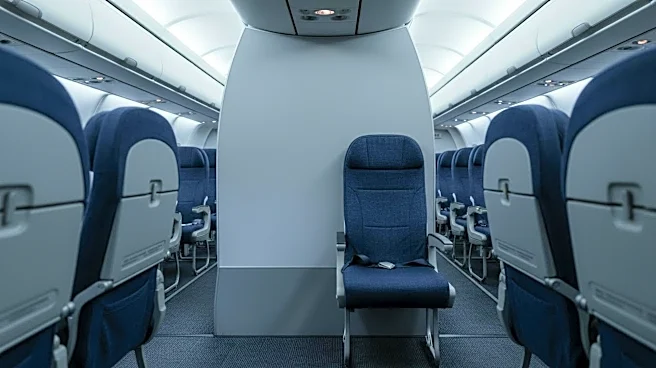
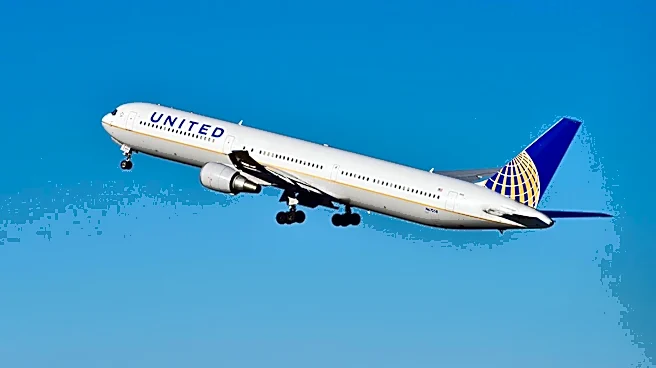
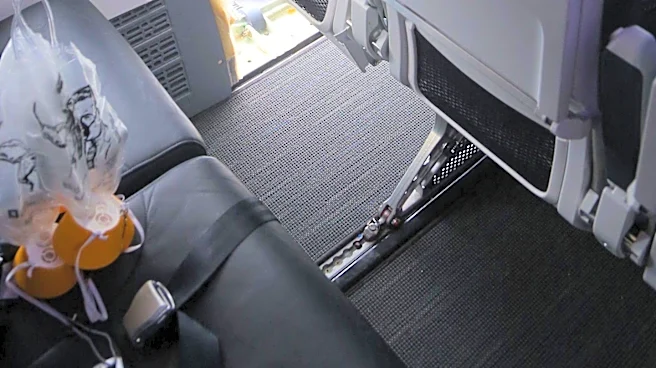
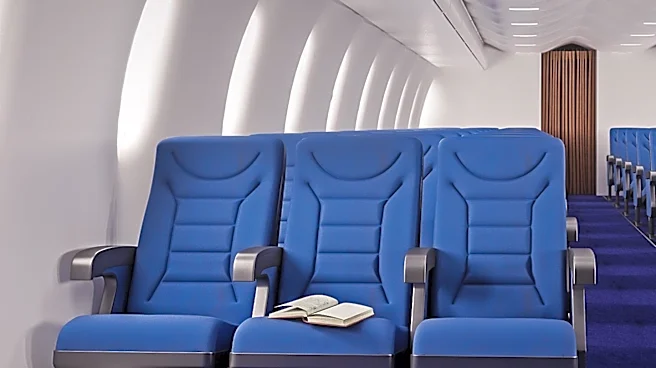
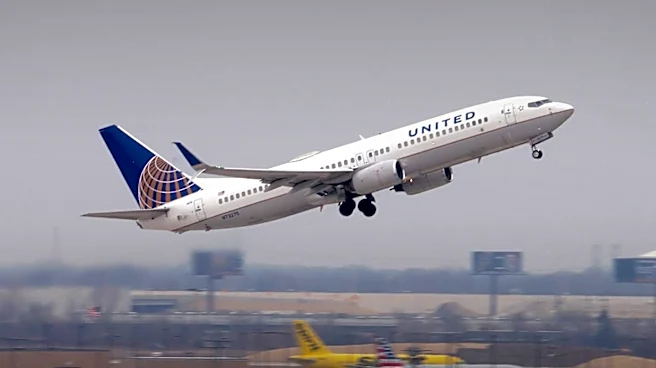
A California judge has allowed a class-action lawsuit against United Airlines to proceed, following allegations that the airline charged passengers extra for window seats that did not actually have windows. The lawsuit claims that United's booking page
and boarding pass identified these seats as window seats, which the airline's contract of carriage supports. Judge James Donato stated that the terms of the ticket purchase plausibly establish that United agreed to provide a seat with a window to passengers who paid for one. The lawsuit highlights that certain aircraft models, such as Boeing 737s and Airbus A321s, have seats where windows cannot be installed due to design constraints. While some airlines like American and Alaska Airlines inform customers about these 'windowless window seats,' United and Delta Airlines did not.
Why It's Important?
This lawsuit underscores the importance of transparency in airline seat selection processes, particularly when passengers pay extra for specific seating arrangements. The outcome of this case could set a precedent for how airlines communicate seat features and manage customer expectations. If the lawsuit succeeds, it may lead to significant financial implications for United Airlines, potentially affecting over a million passengers who have purchased these windowless window seats. The case also raises broader questions about consumer rights and the obligations of airlines to provide accurate information about their services.
What's Next?
As the lawsuit proceeds, United Airlines will need to defend its practices in court. The airline has already updated its website and app to provide more detailed information about seat selection, which may influence the case's outcome. Delta Airlines, also named in a similar lawsuit, is working to have the case dismissed. The legal proceedings will likely involve further examination of the contractual language used by airlines and the expectations set during the booking process. The case could prompt other airlines to review and possibly revise their seat selection disclosures to avoid similar legal challenges.