



What's Happening?
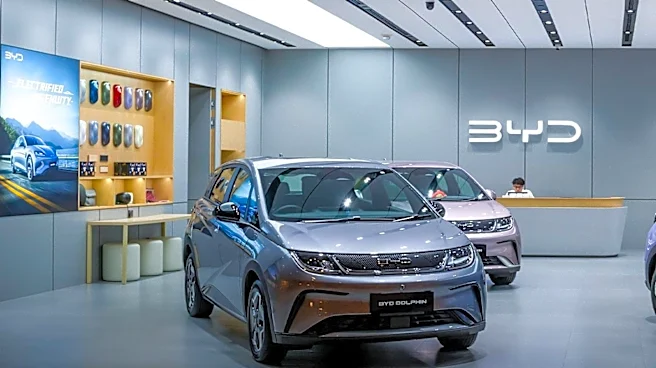
BYD, the leading electric vehicle manufacturer, has entered exclusive negotiations to acquire Ineos Automotive's factory in Hambach, France. This potential acquisition marks BYD's second passenger car plant in Europe, following its facility in Hungary,
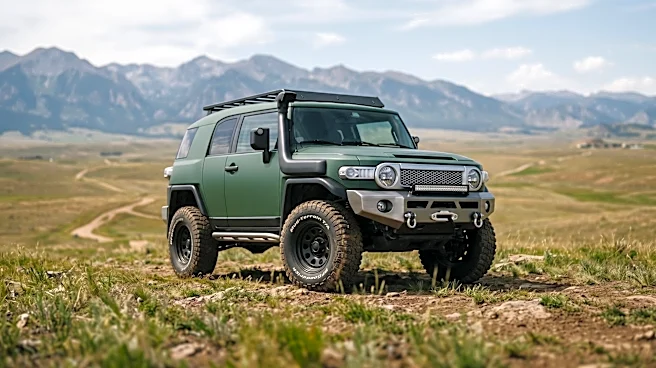
and is a strategic move to establish a 'Made in Europe' presence. The Hambach plant, which has a history of producing Smart cars and currently manufactures the Ineos Grenadier, offers BYD an established site with a trained workforce. This initiative is driven by regulatory motivations, including avoiding a 17% countervailing duty on China-built EVs in the EU, mitigating standard 10% car tariffs, and complying with proposed 'Made in Europe' rules that link EV subsidies to local content. Simultaneously, Ineos Automotive plans to relocate its Grenadier and Quartermaster production to the U.S. by 2028, citing that approximately 70% of its sales are in the American market, making local production more economically viable due to tariffs of 15% on Grenadiers and 25% on Quartermaster pickups.
Why It's Important?
This dual development underscores the significant impact of international trade policies and tariffs on global automotive manufacturing strategies. For BYD, acquiring a French factory is a critical step in its European expansion, allowing it to circumvent trade barriers and enhance its competitive position against established European automakers. This move could also provide a blueprint for other Chinese EV manufacturers looking to localize production in Europe. For Ineos, the decision to move production to the U.S. highlights how tariffs can directly influence manufacturing locations, making it more cost-effective to produce vehicles in the market where the majority of sales occur. This shift could lead to increased investment and job creation in the U.S. automotive sector, particularly in the production of utility vehicles, while also demonstrating the fluidity of global supply chains in response to economic incentives and disincentives.
What's Next?
The acquisition of the Hambach plant by BYD is currently in exclusive negotiations and requires consultation with employee representatives. If successful, BYD will integrate the factory into its European production network, likely announcing specific EV models for production and a timeline for operations. Ineos Automotive is in the process of shortlisting U.S. sites for its new production facility, with an anticipated start of production in 2028. During the transition, Ineos may continue to build models at Hambach for a 'medium term' if the sale proceeds. The outcome of these negotiations and relocations will be closely watched by the automotive industry, as they could signal further shifts in global manufacturing footprints and influence future trade policies between major economic blocs.
Beyond the Headlines
The irony of Ineos, which had previously put its electric vehicle plans on hold due to perceived 'reluctant consumer uptake,' selling its only factory to the world's largest EV maker, BYD, is notable. This situation illustrates the rapid and sometimes contradictory evolution of the automotive industry, driven by technological advancements, consumer demand, and regulatory pressures. The parallel movements of BYD into Europe and Ineos into the U.S., both motivated by tariff avoidance, highlight how protectionist measures are actively reshaping global industrial geography. This dynamic could lead to a more fragmented global manufacturing landscape, where production is increasingly localized to specific markets, potentially impacting efficiency, costs, and the overall competitiveness of the automotive sector.