




What's Happening?
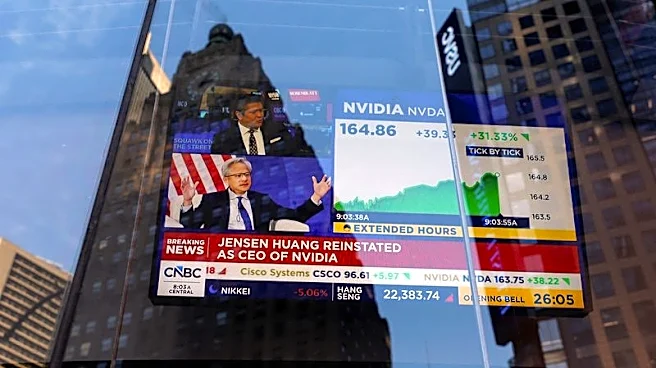
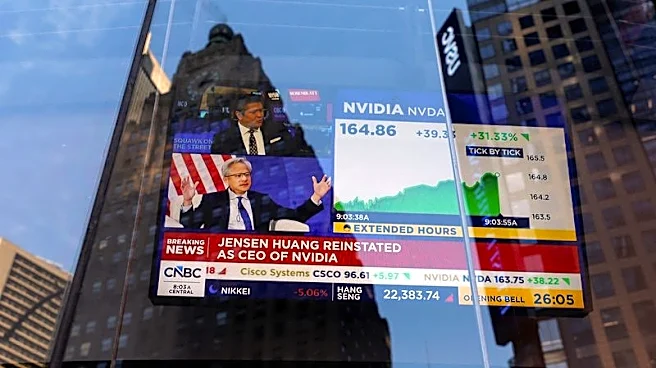
Jensen Huang has been reinstated as CEO of Nvidia, just 11 days after his resignation from the board due to alleged extramarital affairs, including one with a Chinese businesswoman suspected of being a Chinese intelligence asset. President Trump publicly
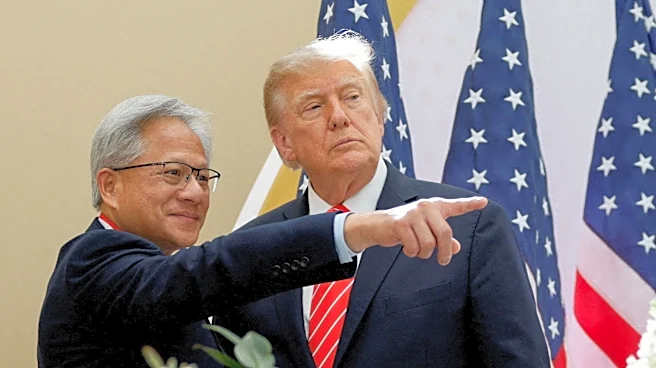
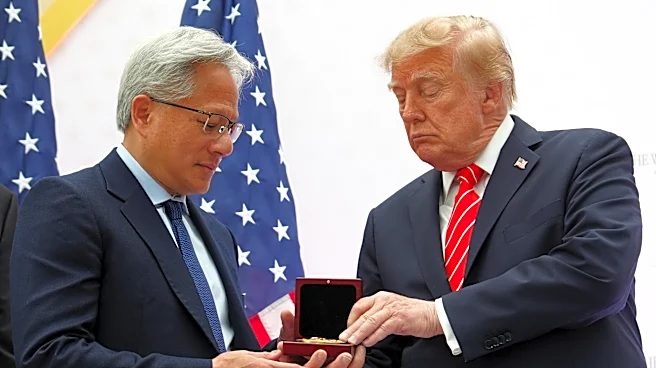
took credit for Huang's return, stating that his administration provided assurances to Nvidia's board regarding national security concerns. The White House emphasized the need to 'protect our geniuses.' Huang's initial departure on November 12 followed reports of his involvement with Alice Huang, CEO of Singapore-based Megaspeed, a company later added to the U.S. trade blacklist. Nvidia's board had launched an investigation into the allegations, but Huang resigned before its conclusion. His return was met with a significant rebound in Nvidia's stock price, which had fallen nearly 28% after his resignation. Several investigations are ongoing, including a Justice Department antitrust probe into Nvidia's business practices, an SEC inquiry into its accounting, and a congressional examination of potential chip diversion to China through Megaspeed.
Why It's Important?
The reinstatement of Jensen Huang, largely influenced by President Trump, highlights the critical role Nvidia plays in the global technology landscape and the intense U.S.-China rivalry in artificial intelligence. Nvidia controls nearly 90% of the market for GPUs used in AI data centers, making it central to the infrastructure powering the AI boom. Huang's leadership is considered indispensable by many, as evidenced by the significant market reaction to his brief absence and return. The intervention by the Trump administration underscores the strategic importance of Nvidia's technology for national security and economic competitiveness. The situation also raises questions about the extent of governmental influence on corporate governance, particularly when national security interests are invoked. The ongoing investigations into Nvidia's practices and potential links to Chinese intelligence assets further complicate the company's operational environment and its role in U.S. technological dominance.
What's Next?
Following Huang's reinstatement, Nvidia will likely face continued scrutiny from various U.S. government bodies. The Justice Department's antitrust probe, the SEC's accounting inquiry, and Congress's examination of chip diversion to China through Megaspeed are expected to proceed. The U.S. government's decision to add Megaspeed to its trade blacklist immediately after Huang's return signals a continued focus on preventing advanced chip technology from reaching China. Nvidia's board has also formed a National Security and Export Control Committee to oversee trade compliance and national security risks, indicating a proactive approach to address these concerns. The company will need to navigate these investigations while maintaining its market leadership and addressing any lingering doubts about its security protocols and compliance with U.S. export controls. The broader implications for U.S. tech companies operating in sensitive sectors, particularly those with international ties, will also be closely watched.
Beyond the Headlines
The saga of Jensen Huang's resignation and reinstatement at Nvidia reveals deeper implications concerning the intersection of corporate leadership, national security, and geopolitical competition. The direct intervention by President Trump in a corporate board decision is an unusual precedent, suggesting that in sectors deemed critical for national interest, the line between private enterprise and state influence can blur. This event could signal a new era where the U.S. government takes a more assertive role in the leadership and strategic direction of key technology companies, especially those at the forefront of AI and advanced computing. Furthermore, the incident highlights the vulnerabilities of global supply chains and the challenges of maintaining technological advantage in an interconnected world, particularly when faced with allegations of espionage. The ethical dimensions of corporate leadership, personal conduct, and their potential impact on national security will likely be a subject of ongoing debate and policy development.