



What's Happening?
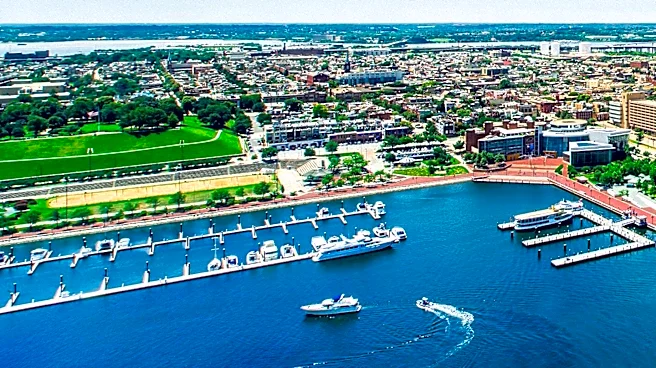
Camden, New Jersey, is strategically utilizing its hotel sector as a key component of its broader waterfront revitalization efforts. Once characterized by industrial decline, the city is now leveraging modern accommodations to attract tourism, business
travel, and convention traffic. Hotels in Camden are serving as critical infrastructure, capturing demand from nearby Philadelphia and drawing visitors to attractions such as the Susquehanna Bank Center, the Adventure Aquarium, and the Battleship New Jersey Museum. This transformation is supported by targeted incentives and zoning adjustments, encouraging developers to build properties that meet contemporary standards. The city's hotel landscape now offers a range of options, from full-service international brands to limited-service properties, positioning Camden as a viable destination.
Why It's Important?
The development of Camden's hotel sector is crucial for its economic momentum and urban vitality. Hotels act as catalysts, generating ripple effects for local restaurants, transportation, and retail businesses. This growth creates jobs, expands tax revenue, and reinforces the viability of cultural and entertainment venues along the Delaware River waterfront. For travelers, Camden's hotels offer competitive pricing compared to Philadelphia, along with convenient access to major attractions and transportation links. This strategic investment aims to reshape the perception of Camden, transforming it from a former industrial area into a competitive destination in its own right, rather than merely a satellite to a larger metropolitan market.
What's Next?
Camden's hotel sector is expected to benefit from continued investment in infrastructure and cultural programming. Improvements in transportation links, including enhanced bus routes and potential future rail connections, are anticipated to make access even more seamless. As waterfront attractions mature, hotels are projected to function increasingly as year-round bases for visitors. Technology, such as contactless check-in and data-driven personalization, is also expected to shape the next phase of hotel development. Developers and operators are facing growing expectations to incorporate sustainability practices, including energy-efficient systems and locally sourced materials, and to engage with the community through local hiring and vendor partnerships.
Beyond the Headlines
Camden's revitalization through its hotel sector offers a compelling case study for other post-industrial cities seeking to reinvent themselves. This approach highlights the power of strategic urban planning and public-private partnerships in transforming distressed areas into vibrant economic hubs. The emphasis on sustainability and community integration in hotel development also points to a growing trend where businesses are expected to contribute positively to their local environments and populations. This model suggests that successful urban renewal goes beyond mere construction, encompassing a holistic approach that considers economic, social, and environmental impacts, ultimately fostering a shared sense of growth and prosperity.