


What's Happening?
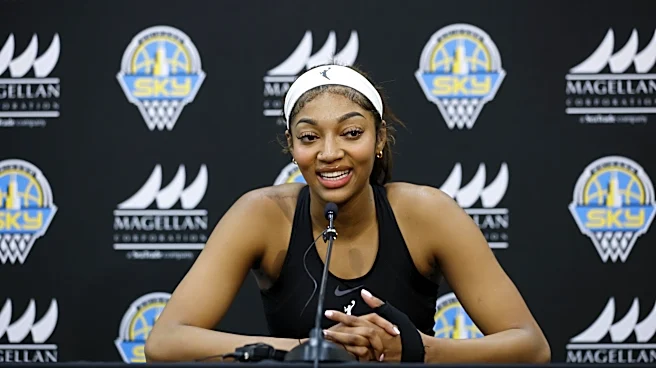
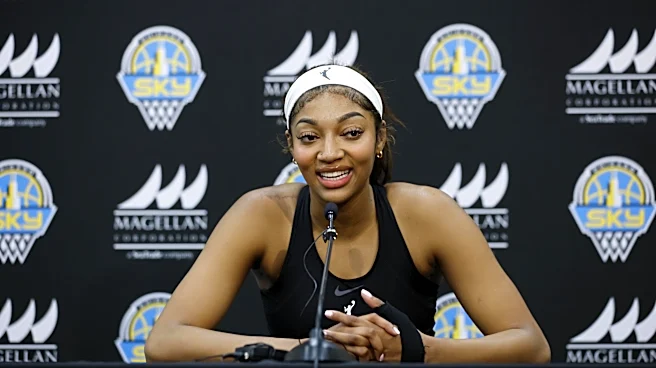
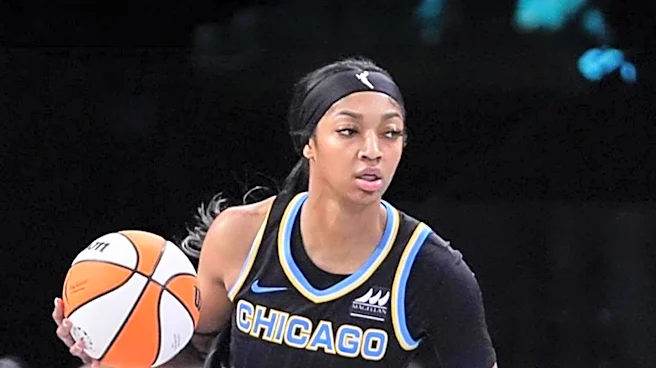
Angel Reese, a prominent WNBA player, has consistently framed herself as a voice for young Black individuals, intertwining her athletic career with discussions on race and identity. According to a Fox News report, Reese has publicly stated her intention
to be a 'visual and a voice for young Black women' and has emphasized the importance of both basketball and fashion in her public persona. This approach has led to some supporters interpreting criticism of her as an attack on Black women. The report highlights instances, such as her actions after LSU's 2023 national championship win against Iowa, where she taunted Caitlin Clark, and her subsequent comments about being called 'too hood' and 'too ghetto,' dedicating the win to 'the girls that look like me.' Additionally, a dispute during a July game involving a foul call led to Toronto coach Sandy Brondello calling Reese a 'protected species,' which Reese responded to by bringing discrimination into the conversation, despite Brondello's apology and the WNBA's suspension of the coach.
Why It's Important?
Reese's public stance and comments are significant because they inject discussions of race, privilege, and discrimination directly into the U.S. sports narrative, particularly within the WNBA. This approach influences how fans, commentators, and the media perceive and react to her performances and actions. By positioning herself as a representative for young Black people, Reese elevates the stakes of any criticism she receives, potentially transforming sports commentary into broader social and racial debates. This dynamic can polarize fan bases and media coverage, making it challenging to separate athletic performance from identity politics. The situation also highlights a perceived double standard in how similar actions by Black and white athletes are interpreted, as noted by commentators like ESPN's Stephen A. Smith regarding Reese and Caitlin Clark's on-court gestures. This ongoing conversation impacts how racial loyalty and identity are perceived within professional sports, affecting both athletes and their supporters.
What's Next?
The ongoing public discourse surrounding Angel Reese's comments and actions suggests that discussions about race and identity will continue to be a prominent feature of her career and the broader WNBA narrative. As Reese continues to leverage her platform to advocate for young Black individuals, future on-court incidents or public statements are likely to be scrutinized through this lens. This could lead to further debates among fans, media, and even within the league itself regarding the intersection of sports, race, and social commentary. The differing approaches of Reese and Caitlin Clark to being cast as racial symbols indicate a potential for continued comparison and analysis of how athletes navigate these complex issues. The WNBA and its teams may face ongoing challenges in managing these narratives, ensuring that athletic competition remains central while acknowledging the social impact of its players.
Beyond the Headlines
The dynamic between Angel Reese and the public discourse extends beyond typical sports analysis, touching upon deeper societal implications regarding representation, identity, and the weaponization of criticism. Reese's deliberate framing of her identity as a 'voice for young Black women' transforms her athletic career into a platform for social commentary, which can be both empowering and contentious. This approach challenges traditional notions of athlete neutrality and forces a re-evaluation of how public figures are expected to engage with social issues. The differing reactions to Reese and Caitlin Clark, particularly concerning their responses to being cast as racial symbols, highlight the persistent racial divides and expectations within American society. It also raises questions about the responsibility of athletes to address broader cultural debates versus focusing solely on their sport. This ongoing narrative underscores the evolving role of athletes as cultural figures and the complex interplay between personal identity, public perception, and professional conduct in the U.S. sports landscape.