




What's Happening?
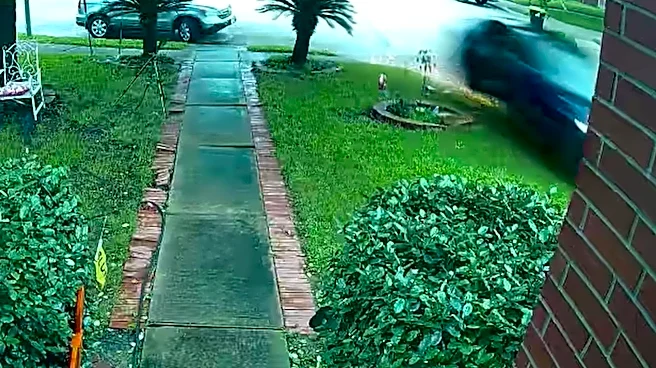
Tesla is disputing allegations that its driver-assistance software was responsible for a fatal crash in Texas. The incident involved a Tesla Model 3 that veered off the road and crashed into a house, resulting in the death of a 76-year-old woman inside.
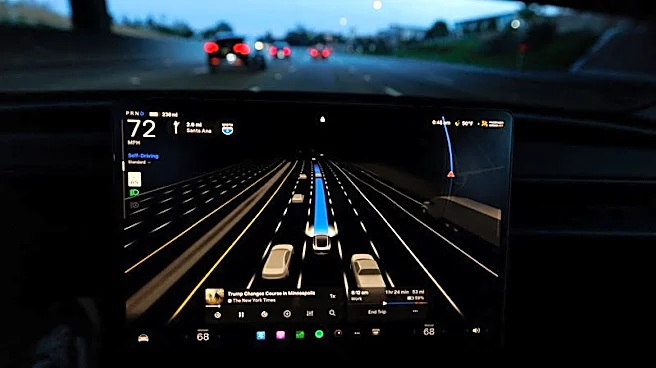
The driver, Michael Butler, claimed that the vehicle's automated driving assistance system was engaged at the time of the crash. However, Tesla's CEO Elon Musk and the company's head of AI, Ashok Elluswamy, have countered these claims, stating that data from the car indicated the driver manually overrode the system by fully pressing the accelerator. The National Highway Traffic Safety Administration (NHTSA) has launched an investigation into the crash.
Why It's Important?
This incident has reignited scrutiny over Tesla's Autopilot and Full Self-Driving (FSD) systems, which have been controversial due to previous accidents. The outcome of the NHTSA investigation could have significant implications for Tesla's reputation and the future of autonomous driving technology. If the investigation finds that the driver-assistance system was at fault, it could lead to increased regulatory pressure on Tesla and other companies developing similar technologies. Conversely, if Tesla's claims are validated, it may bolster the company's defense against criticisms of its self-driving capabilities.
What's Next?
The NHTSA's investigation will likely involve a detailed analysis of the vehicle's data logs to determine the exact circumstances of the crash. Depending on the findings, there could be calls for stricter regulations on autonomous driving systems. Tesla may also face legal challenges from the victim's family. The company will need to navigate these challenges while continuing to develop and promote its self-driving technology.