





What's Happening?
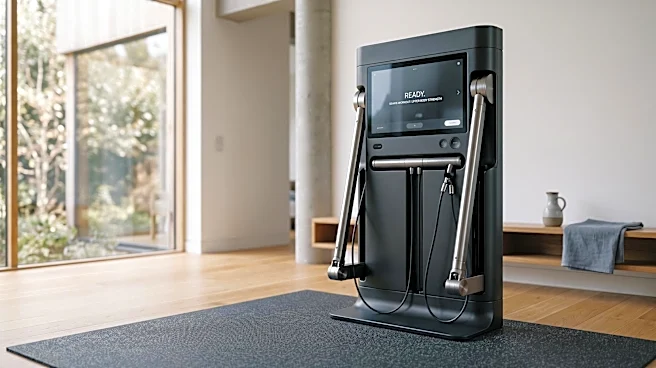
As of November 21, 2026, the median asking price for a used Tonal smart home gym in Dallas, Texas, is $2,000. This figure is significantly lower than the new unit price of approximately $4,295. The typical price range for these used units in Dallas falls
between $1,775 and $2,600. These prices represent asking prices from used listings and not necessarily the final sale prices. The data, compiled by Commonplace, uses a methodology that focuses on median asking prices from used listings across the United States, with figures rounded to the nearest $25. The 'typical range' is defined as the interquartile range, encompassing the middle 50% of asking prices. This approach aims to provide a stable and representative view of the used market value, avoiding distortions from single unusual listings or averages.
Why It's Important?
The pricing trend for used Tonal smart home gyms in Dallas, TX, reflects broader dynamics within the U.S. fitness equipment resale market. The substantial difference between new and used prices—a median used price of $2,000 compared to $4,295 new—highlights the depreciation of high-tech fitness equipment. This creates an accessible entry point for consumers interested in smart home gyms but deterred by the initial investment. For sellers, understanding these median asking prices is crucial for setting realistic expectations and facilitating quicker sales. The presence of platforms like Commonplace, which assist in listing, finding buyers, and arranging pickup, indicates a growing infrastructure supporting the resale of specialized fitness technology, impacting both individual consumers and the broader wellness and fitness services industry by extending the product lifecycle and market reach.
What's Next?
The continued evolution of the used smart home gym market, as evidenced by Tonal's pricing in Dallas, suggests a potential for increased consumer adoption of these devices. As more advanced models are released, the value of older units will likely continue to adjust, creating a dynamic secondary market. Companies like Tonal may need to consider the impact of a robust used market on their new product sales strategies, potentially exploring certified pre-owned programs or trade-in options. For consumers, the availability of detailed pricing indexes will empower more informed purchasing and selling decisions, fostering greater transparency in the resale of high-value fitness technology. The growth of platforms facilitating these transactions could also lead to more standardized processes for inspection, delivery, and payment in the used fitness equipment sector.
Beyond the Headlines
The significant depreciation of high-tech fitness equipment like Tonal raises questions about the long-term value proposition for consumers and the sustainability models for manufacturers. While a thriving used market can democratize access to advanced fitness technology, it also presents challenges for companies in maintaining premium pricing for new units. This trend could encourage a shift towards subscription-based service models, where the value lies more in ongoing content and personalized training rather than solely the hardware. Furthermore, the environmental implications of extending the life cycle of electronic fitness equipment through resale are positive, contributing to reduced waste. The data also underscores the increasing sophistication of consumer behavior in the wellness sector, with buyers actively seeking cost-effective alternatives to new purchases, pushing manufacturers to innovate not just in product design but also in their overall market strategies.