




What's Happening?
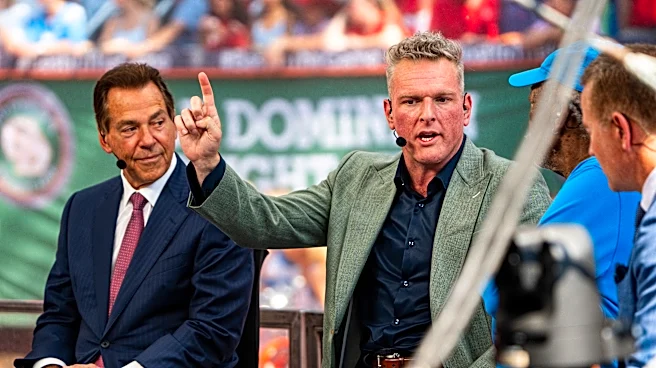
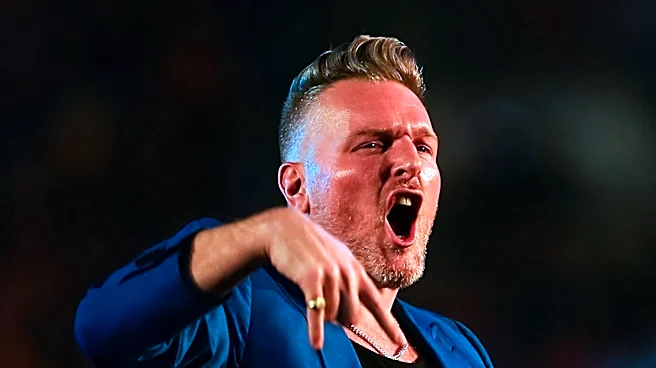
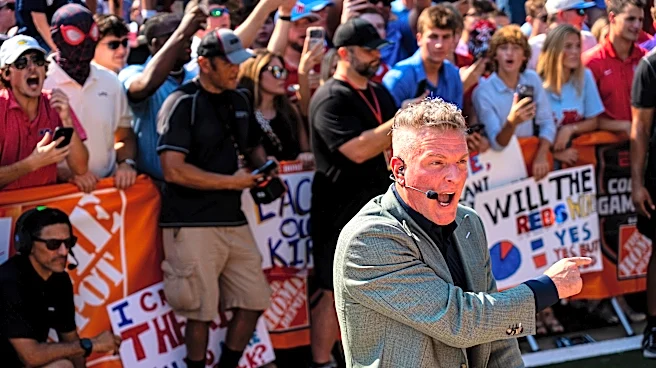
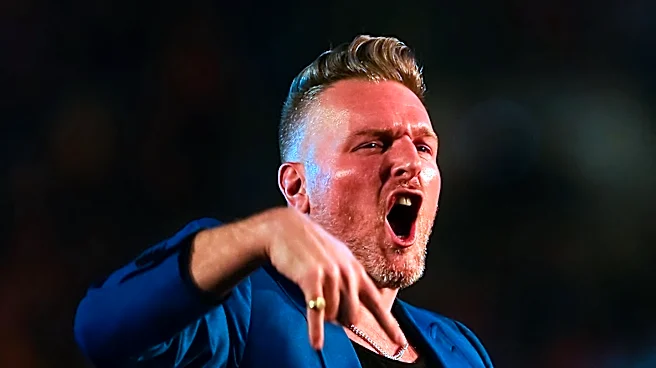
Longtime New York City sports host Michael Kay has publicly defended ESPN personality Pat McAfee following McAfee's recent on-air comments regarding safety concerns and public criticism. McAfee expressed discomfort after the University of Utah posted
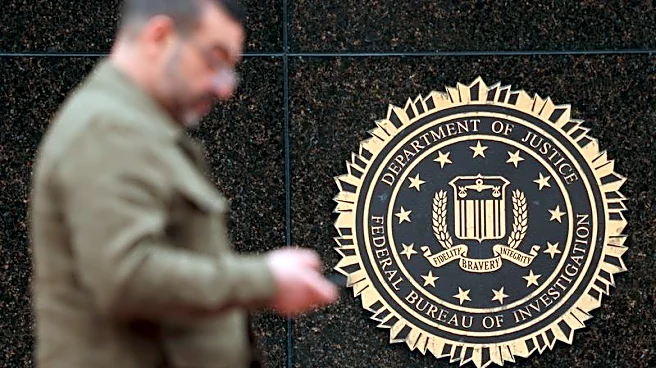
a social media video featuring students teasing him, which he alluded could endanger him while hosting 'College GameDay.' McAfee also referenced a prior incident where the FBI contacted him about his safety after the murder of Charlie Kirk at Utah Valley University. Kay, on his ESPN New York radio show, criticized those labeling McAfee as 'thin-skinned,' arguing that critics do not understand the pressures and fears public figures face. He highlighted McAfee's successful career and business acumen, emphasizing that constant public scrutiny is a significant burden. Kay's defense comes as McAfee faces ongoing criticism for his persona, guest selections, commentary on political and social issues, and his past embrace of the Trump administration.
Why It's Important?
This situation highlights the intense scrutiny and pressure faced by prominent sports media figures in the U.S., particularly those with large platforms like Pat McAfee. The debate surrounding McAfee's reaction to public criticism and perceived threats underscores the evolving landscape of public discourse, where social media can amplify both support and animosity. For ESPN, a major sports broadcaster, managing the public image and safety concerns of its high-profile talent is crucial for maintaining audience trust and talent retention. The discussion also touches upon the broader issue of how public figures navigate personal safety in an era where online interactions can sometimes escalate into real-world concerns. Michael Kay's defense also serves to validate the emotional toll that constant public judgment can take on individuals in the media spotlight, potentially influencing how media organizations support their talent.
What's Next?
The ongoing public discussion around Pat McAfee's comments and Michael Kay's defense may lead to further dialogue within sports media about the responsibilities of public figures and the nature of fan engagement. ESPN may need to continue monitoring the situation and potentially reinforce security protocols for its on-air talent, especially during live events like 'College GameDay.' McAfee himself may continue to address these issues on his show, potentially shaping public perception of his brand and his relationship with his audience. Critics and supporters will likely remain vocal, contributing to a sustained conversation about media personalities' roles, their vulnerability to public sentiment, and the boundaries of acceptable criticism in the digital age. The incident could also prompt universities to re-evaluate their social media strategies concerning public figures visiting their campuses.
Beyond the Headlines
Beyond the immediate controversy, this event touches on deeper implications regarding the mental health and well-being of public figures. The expectation for media personalities to be impervious to criticism, as highlighted by Kay, often overlooks the human element of constant public judgment. This incident also reflects the broader polarization within U.S. society, where figures like McAfee, who engage with political and social topics, often become lightning rods for both praise and condemnation. The perceived threat from a social media video, however indirect, underscores the challenges of distinguishing between online banter and genuine safety risks in an increasingly digital world. This situation could contribute to a re-evaluation of how media companies and public figures manage their online presence and interact with their audience, emphasizing the need for robust support systems and clear boundaries.