


What's Happening?
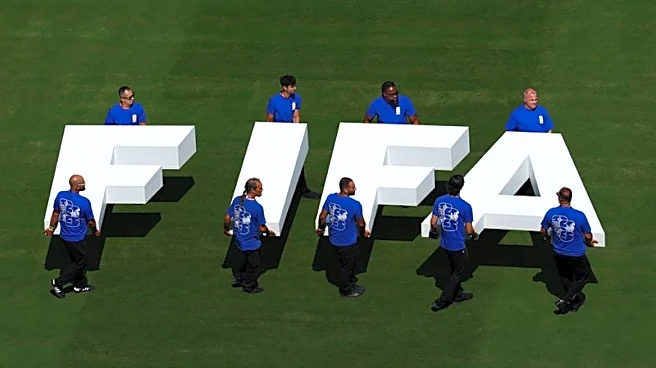
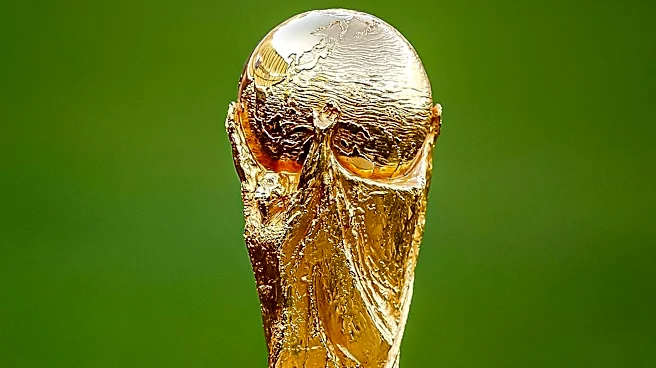
UEFA, the governing body for European soccer, has announced that its members will boycott the men's and women's World Cup unless FIFA abandons its plan to sell stakes in the tournament to private investors. This decision comes in response to FIFA's proposal
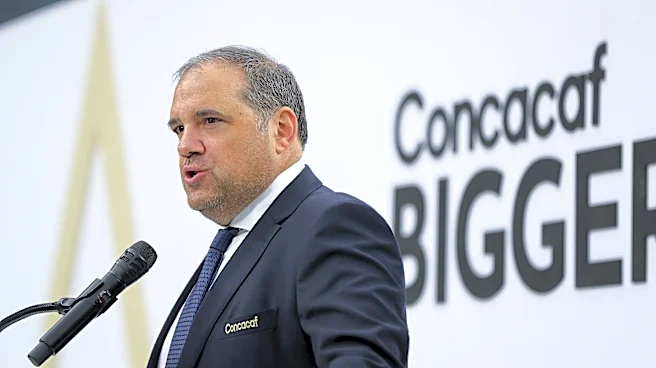
to create a company to manage all commercial rights to its tournaments, including the World Cup, and sell minority stakes to private investors. The plan has sparked significant backlash from European soccer bodies, who argue that the World Cup should not be subject to commercial interests. UEFA's statement emphasized that the World Cup belongs to football and should not be for sale. Concacaf, the governing body for North American, Central American, and Caribbean football, also expressed concerns but stopped short of calling for a boycott.
Why It's Important?
The potential boycott by UEFA could have significant implications for the World Cup, one of the most prestigious sporting events globally. If European nations, which include some of the strongest teams in the world, do not participate, it could diminish the tournament's competitive quality and commercial appeal. This move also highlights the tension between maintaining the integrity of sports and the increasing commercialization of major sporting events. The decision by UEFA could influence other football associations and stakeholders to reconsider their stance on FIFA's proposal, potentially leading to broader resistance against the commercialization of the World Cup.
What's Next?
FIFA may need to reconsider or modify its proposal to address the concerns raised by UEFA and other football associations. The organization could engage in discussions with stakeholders to find a compromise that preserves the World Cup's integrity while addressing financial needs. The outcome of these negotiations could set a precedent for how commercial interests are balanced with the traditional values of sports in future tournaments.