





What's Happening?
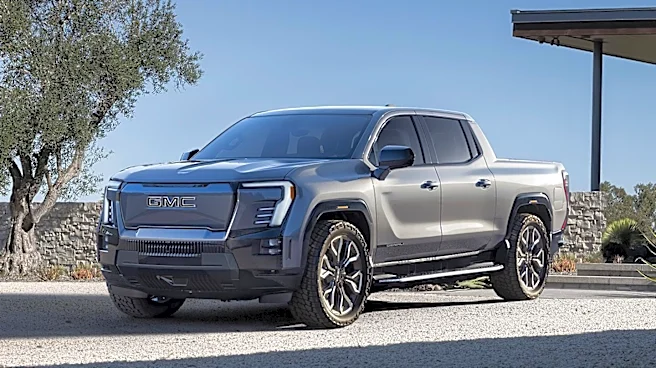
WeaveGrid and GM Energy have initiated a vehicle-to-grid (V2G) pilot program with select Southern California Edison (SCE) customers. This program marks the first instance where GM owners in California can send power from their electric vehicles back to the grid.
Participants in SCE’s Emergency Load Reduction Program are eligible for significant financial incentives, including up to US$8,000 towards a GM Energy vehicle-to-home system and up to US$8,099 for installation and interconnection, funded by the California Energy Commission. These customers may also receive payments for supplying power during demand-response events. GM is also joining a new CharIN task force focused on alternating current (AC) V2G systems, aiming to reduce the cost of home hardware required for such bidirectional energy flow.
Why It's Important?
This pilot program is a significant step towards integrating electric vehicles into the broader energy infrastructure, offering a potential solution for grid stability and renewable energy storage. By allowing EVs to return power to the grid, they can act as distributed energy resources, helping to balance demand during peak times and support the grid during emergencies. This could reduce reliance on fossil fuel-based peaker plants and enhance the resilience of the U.S. energy system. For consumers, the financial incentives and potential for earning income by supplying power could accelerate EV adoption and offset ownership costs. The development of cheaper AC-based V2G technology and standardized protocols through the CharIN task force is crucial for widespread implementation, making V2G more accessible and economically viable for a larger segment of the population.
What's Next?
GM views this pilot as a comprehensive test of the entire customer experience, from enrollment and installation to utility approval and participation in grid events. The lessons learned from this trial will be instrumental in shaping future V2G programs and refining the technology. A key focus will be on overcoming hardware obstacles, as car batteries store direct current (DC) and require wall-mounted inverters to supply AC to homes. GM's development of AC-based technology aims to simplify this process and reduce costs. The CharIN task force will work on aligning standards, certification, and interconnection rules across vehicles, chargers, and networks, which is essential for the seamless integration and scalability of V2G systems across the U.S. and potentially internationally.
Beyond the Headlines
The GM and WeaveGrid V2G pilot represents a foundational shift in how we perceive electric vehicles—not just as transportation, but as integral components of a smart energy ecosystem. This initiative could catalyze the development of 'prosumer' models, where individuals actively participate in energy generation and distribution. It also highlights the growing convergence of the automotive and energy sectors, fostering new business models and partnerships. Long-term implications include a more decentralized and resilient energy grid, reduced carbon emissions from power generation, and potentially new regulatory frameworks to manage bidirectional energy flow. The success of such programs could also influence urban planning and infrastructure development, prioritizing EV charging and V2G capabilities in future residential and commercial constructions.