




What's Happening?
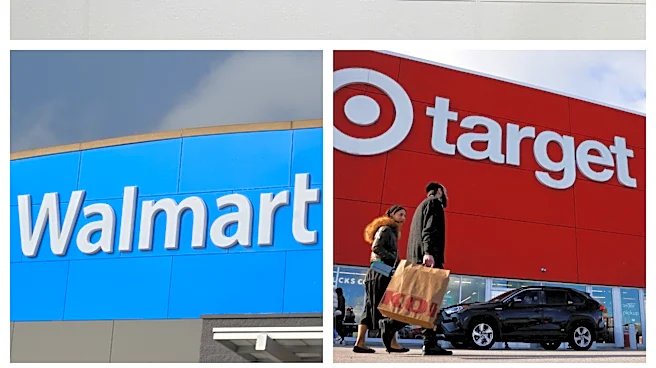
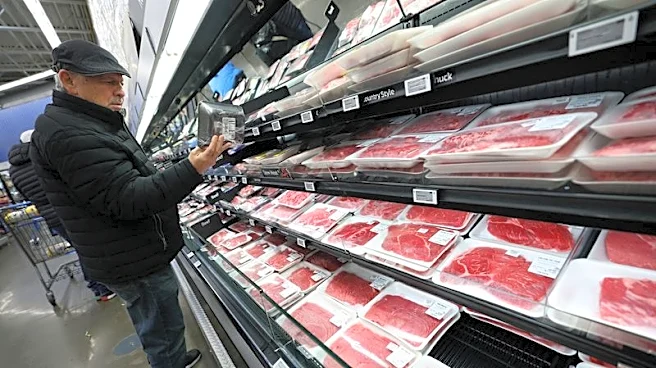
The Department of Justice (DOJ) has broadened its investigation into beef affordability in the United States, now targeting eight of the nation's largest grocery retailers. The DOJ's Antitrust Division sent letters to Kroger, Publix, Walmart, Albertsons,
Aldi, Ahold Delhaize USA, Costco, and Amazon regarding the retail price of beef. This action signifies an increased focus by the Justice Department on concerns surrounding the cost of beef for American consumers. The investigation aims to determine if any anti-competitive practices are contributing to elevated beef prices. The DOJ stated on social platform X that "Beef prices are a critical concern to Americans, and a priority for this Justice Department," underscoring the significance of this inquiry. This expansion follows previous scrutiny of the meatpacking industry and now extends to the retail sector, indicating a comprehensive approach to understanding pricing dynamics across the supply chain.
Why It's Important?
This expanded investigation is significant because it directly addresses a major consumer concern: the rising cost of food, particularly beef. By scrutinizing major grocers, the DOJ is signaling its commitment to ensuring fair competition and preventing potential price gouging or anti-competitive behavior in the retail food sector. If evidence of such practices is found, it could lead to significant legal actions, including fines and mandated changes in business practices for these large corporations. For consumers, a successful investigation could result in more competitive pricing and increased affordability of beef. For the grocery industry, it introduces regulatory uncertainty and the potential for increased oversight, which could impact profit margins and operational strategies. The involvement of the Antitrust Division highlights the government's view that competitive markets are essential for consumer welfare and economic stability.
What's Next?
The next steps in the DOJ's investigation will likely involve detailed requests for information from the targeted grocers, including pricing data, supply chain agreements, and internal communications related to beef pricing strategies. These companies will be required to cooperate with the Antitrust Division, providing extensive documentation to support their pricing models. Depending on the findings, the DOJ could initiate formal legal proceedings, such as lawsuits alleging antitrust violations. This could lead to consent decrees, structural remedies, or significant financial penalties. The investigation may also prompt a broader review of pricing practices across other food categories, potentially extending the scope of antitrust enforcement in the retail food sector. Public and political pressure regarding food inflation will likely continue to influence the pace and intensity of this investigation.
Beyond the Headlines
This investigation delves into the complex interplay between supply chain dynamics, market concentration, and consumer prices in the U.S. food industry. Beyond immediate price impacts, it raises questions about the power wielded by a few dominant players in the grocery sector and their influence over the entire food system. The probe could expose vulnerabilities in the supply chain that allow for price manipulation or inefficiencies that disproportionately affect consumers. It also highlights the ongoing debate about corporate responsibility in times of economic strain and the role of government intervention to protect consumers. The outcome could set precedents for how antitrust laws are applied to essential goods, potentially leading to a re-evaluation of market structures and regulatory frameworks designed to ensure fair access and pricing for staple products.