





What's Happening?
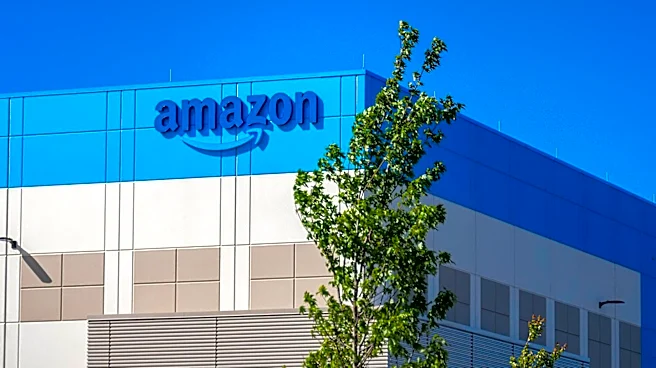
Amazon has implemented price increases across several of its first-party devices, including its Echo smart speakers, Fire TV line, Kindle e-readers, and eero wireless mesh networking systems. This move makes Amazon the latest major technology company
to raise consumer costs, citing significant increases in memory and storage component costs. For instance, the base Echo Dot's price increased from $49.99 to $79.99, and the Echo Show 11 went from $219.99 to $249.99. Kindle prices also saw hikes, with the 16-gigabyte Kindle rising from $109.99 to $149.99. Fire TV Stick models and eero systems also experienced price adjustments. An Amazon spokeswoman confirmed these increases, stating that the company absorbed these rising costs for as long as possible before adjusting prices. Notably, prices for Ring products were not affected.
Why It's Important?
This price adjustment by Amazon is significant as it reflects a broader trend within the technology industry, driven by a global shortage and increased demand for memory chips, particularly those used for artificial intelligence (AI) compute. Amazon's reputation for offering low-cost hardware makes these increases particularly noteworthy, indicating the severity of the supply chain pressures. The move impacts consumers directly, making popular smart home and entertainment devices more expensive. It also signals the financial strain that even large corporations like Amazon are experiencing due to component costs, which can affect their profit margins and investment strategies. The ripple effect of these increased costs is evident across the industry, with other tech giants like Apple and Microsoft also raising prices or adjusting product configurations due to similar pressures.
What's Next?
Amazon plans to continue offering promotions throughout the year to make its products accessible, suggesting that while base prices have increased, consumers may still find deals. The company is also preparing for an upcoming fall event to showcase new devices, which will likely feature these adjusted price points. The ongoing demand for AI services is expected to keep memory costs high, with Amazon Chief Executive Andy Jassy projecting that the company will not have enough capacity to meet demand in 2026 and 2027, despite increasing capital expenditures for data centers. This indicates that the current pricing environment may persist, and further adjustments or strategic product offerings could be anticipated from Amazon and other tech companies as they navigate the evolving landscape of component supply and demand.
Beyond the Headlines
The quiet price hikes by Amazon underscore the intricate and often invisible economic forces shaping the technology market. Beyond the immediate impact on consumer wallets, these increases highlight the critical role of memory chips in the modern digital economy and the vulnerabilities of global supply chains. The surge in demand for AI compute, while driving innovation, is simultaneously creating inflationary pressures on hardware components. This situation could accelerate efforts by tech companies to diversify their supply chains, invest in domestic manufacturing, or explore alternative component technologies to mitigate future cost volatility. It also raises questions about the long-term affordability of smart technology and its potential impact on digital inclusion, as essential devices become more expensive. The '100-year flood on memory pricing,' as described by Apple's CEO, suggests a fundamental shift in the cost structure of electronic goods that could have lasting implications for both producers and consumers.