




What's Happening?
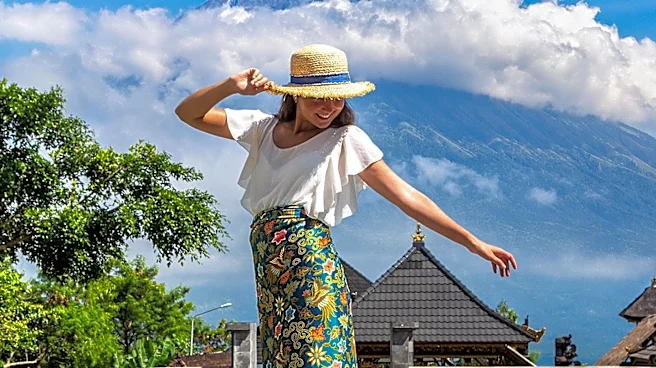
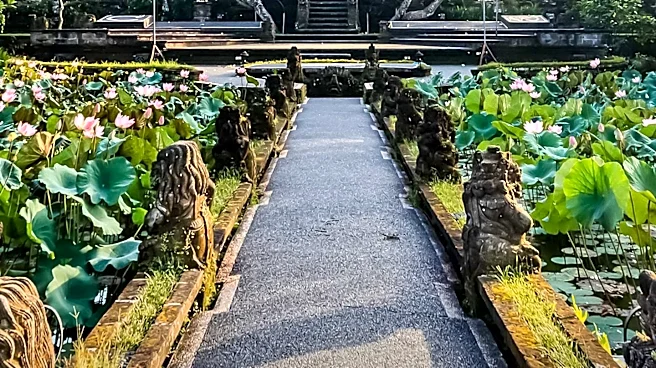
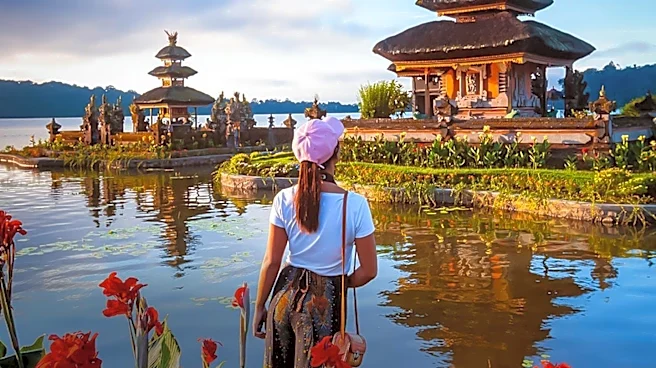
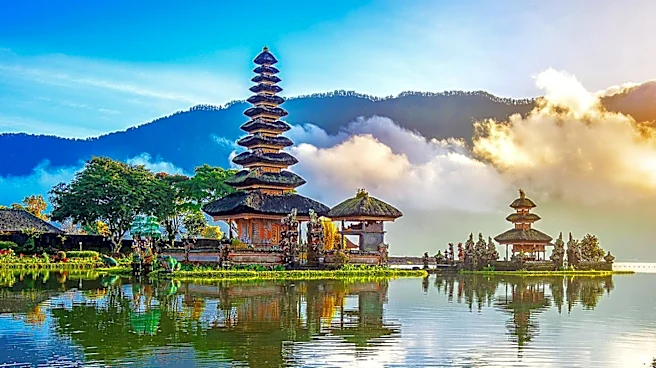
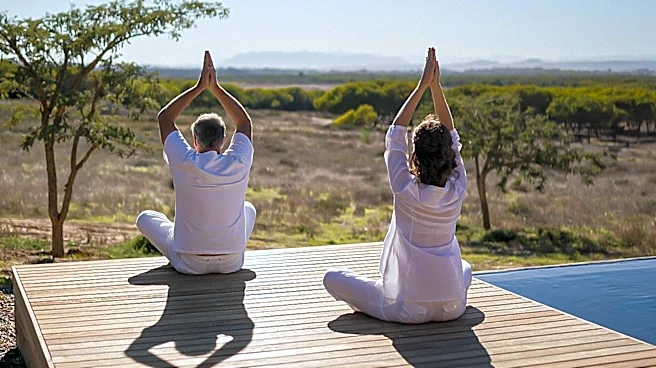
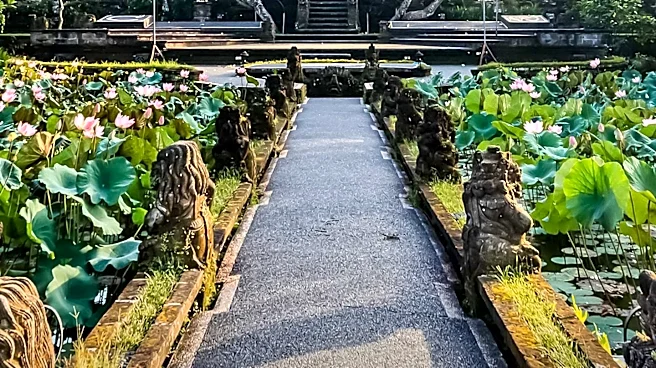
Ubud, located in the heart of Bali, is renowned for its rich cultural landscape, encompassing art galleries, traditional ceremonies, and a vibrant culinary scene. The region caters to a wide array of travelers, offering activities such as surfing, yoga,
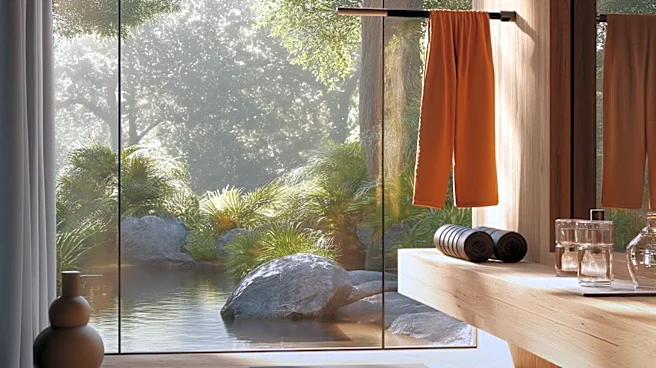
and cooking courses. Accommodation options vary significantly, from centrally located hotels that provide easy access to shops and cultural attractions to secluded resorts nestled amidst rice fields and tropical greenery. For instance, the Cicada Resort Bali Ubud, Autograph Collection, provides fitness and spa services, while Anantara Ubud Bali Resort features luxury villas with private infinity pools and panoramic forest views. Dining experiences include traditional Balinese dishes with jungle vistas at places like Ayung Terrace Restaurant. Travelers can choose their stay based on their preference for walkability, privacy, or immersion in nature, with options like Wapa di Ume Ubud offering a balance of rice-field surroundings and proximity to central Ubud.
Why It's Important?
Ubud's diverse offerings are crucial for the tourism industry, attracting a broad demographic of international visitors seeking varied experiences. The availability of both bustling central areas and tranquil natural retreats allows Bali to cater to different travel styles, from adventure seekers and cultural enthusiasts to those prioritizing relaxation and wellness. This versatility supports local businesses, including hotels, restaurants, tour operators, and artisans, contributing significantly to the regional economy. The emphasis on cultural preservation through art galleries, traditional ceremonies, and cooking classes also helps maintain Bali's unique identity, which is a major draw for tourists. The range of accommodation, from budget-friendly options to luxury villas, ensures that Ubud remains accessible to a wide market, fostering sustainable tourism growth and employment opportunities for the local population.
What's Next?
The trend of offering diverse experiences in Ubud is likely to continue, with resorts and local businesses further tailoring their services to meet evolving traveler demands. There may be an increased focus on personalized itineraries, allowing visitors to combine cultural exploration with wellness activities or adventure sports. Resorts like Anantara Ubud Bali Resort and Wapa di Ume Ubud are expected to continue enhancing their unique selling propositions, such as private infinity pools or rice-field views, to attract specific market segments. The development of more eco-friendly and sustainable tourism practices could also become a priority, aligning with global trends and preserving Ubud's natural beauty. Additionally, the integration of technology for booking and personalized recommendations will likely improve the overall visitor experience, making it easier for travelers to plan their ideal Ubud getaway.
Beyond the Headlines
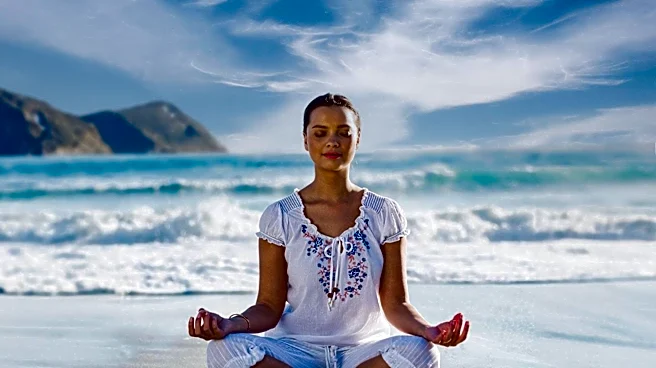
Beyond its immediate economic impact, Ubud's appeal as a cultural and natural sanctuary has deeper implications for global tourism and cultural exchange. The region serves as a living example of how traditional practices and natural landscapes can be integrated into a modern tourism framework. The emphasis on yoga, wellness, and spiritual retreats reflects a growing global interest in holistic well-being, positioning Ubud as a leading destination in this niche. Furthermore, the interaction between tourists and local communities through cooking classes and cultural tours fosters cross-cultural understanding and appreciation. The challenge for Ubud will be to manage its growing popularity to prevent over-tourism and preserve its authentic charm and ecological balance, ensuring that its unique blend of culture, nature, and spirituality remains intact for future generations.