





What's Happening?
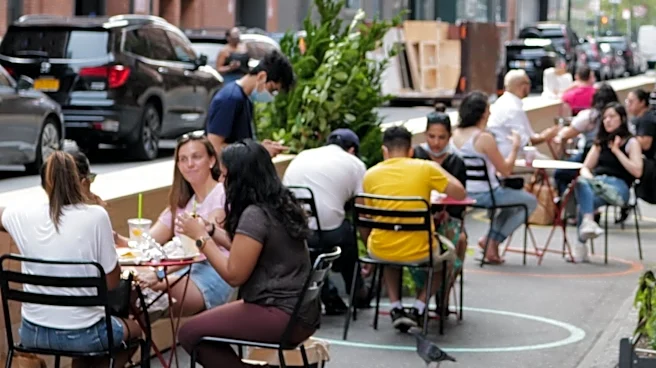
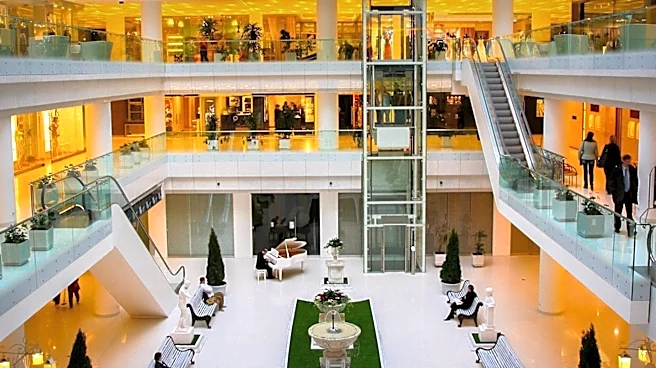
Hotel lobbies are undergoing a significant transformation, evolving from mere transitional spaces into vibrant social destinations, often referred to by urban sociologists as 'third places.' These spaces are defined as environments that are neither home
nor work, but offer a sense of community, atmosphere, and a reason for people to linger. This shift is driven by changing guest and visitor expectations, including the rise of remote work, the decline of traditional office settings, and an increased demand for curated social experiences. Hotels are strategically programming their lobbies with activities such as live music series, vendor tasting partnerships, and pop-up activations to attract both hotel guests and local residents. The goal is to create dynamic, intentional environments that encourage extended stays and foster social interaction, moving beyond purely aesthetic design to focus on active engagement.
Why It's Important?
The resurgence of hotel lobbies as 'third places' has significant implications for the hospitality industry and urban social dynamics. For hotels, this transformation represents a substantial opportunity to increase revenue beyond traditional room bookings. By encouraging longer dwell times through engaging programming, hotels can boost food and beverage sales and attract new local customers who might later book events or refer out-of-town guests. This strategy also enhances the hotel's brand identity, positioning it as a community hub rather than just accommodation. For urban areas, these revitalized lobbies offer new public spaces for social interaction, potentially filling a void left by the decline of other traditional 'third places' like coffee shops or neighborhood bars. This trend can foster a stronger sense of community and provide diverse options for remote workers and individuals seeking social engagement outside their homes and workplaces.
What's Next?
The trend of hotel lobbies as 'third places' is expected to continue, with hotels increasingly investing in sophisticated programming and operational rigor to maximize these spaces. Future developments will likely see more hotels adopting a 'living product' approach to their lobbies, with seasonal strategies, dedicated programming calendars, and cross-functional teams responsible for their success. This will involve careful consideration of budget allocation, staffing models, and how lobby activities integrate with other hotel operations like check-in and food and beverage services. The focus will remain on creating unique, memorable experiences that differentiate hotels in a competitive market and build lasting relationships with both guests and the local community. Hotels that successfully implement this strategy will likely see continued growth in non-room revenue and enhanced brand perception.
Beyond the Headlines
Beyond the immediate business benefits, the evolution of hotel lobbies into 'third places' reflects broader societal shifts in how people seek connection and community. In an increasingly digital and remote-work-oriented world, there's a growing need for physical spaces that facilitate spontaneous interaction and a sense of belonging. These hotel lobbies are stepping in to fulfill that need, offering curated environments that blend leisure, work, and social engagement. This trend also highlights a re-evaluation of urban spaces, where commercial entities are becoming integral to the social fabric of neighborhoods. The success of these 'third places' could influence urban planning and design, encouraging the creation of more multi-functional spaces that prioritize community building and diverse experiences, ultimately enriching the quality of urban life.