




What's Happening?
The U.S. economy experienced a slowdown in growth during the second quarter of 2026, with GDP increasing by 1.5%, down from 2.1% in the first quarter. This deceleration is attributed to a growing trade deficit and rising tensions between the U.S. and Iran,
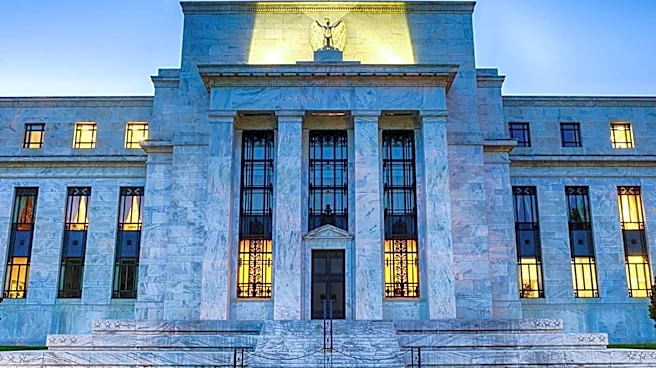
which have impacted global fuel prices. Consumer spending increased by 3.2%, supported by tax refunds and higher petrol prices. The AI investment boom continues to drive economic activity, although it is heavily reliant on imports, contributing to the trade deficit. The Federal Reserve's PCE price index, a key inflation measure, rose 3.7% in June, remaining above the central bank's target.
Why It's Important?
The dip in GDP growth highlights the challenges posed by trade deficits and inflationary pressures. The reliance on imports for AI-related products underscores a potential vulnerability in the U.S. economy. The Federal Reserve's decision to maintain interest rates reflects ongoing concerns about inflation and economic stability. The AI investment boom, while a significant growth driver, does not directly contribute to GDP due to its import reliance. This situation presents a complex scenario for policymakers as they navigate economic growth and inflation control.
What's Next?
Future economic performance will likely be influenced by global trade dynamics and inflationary pressures. The Federal Reserve's policy decisions will focus on balancing inflation management with economic growth support. The upcoming midterm elections may also impact economic policy, as public sentiment on economic issues could influence political decisions. The AI investment trend is expected to continue shaping economic activity, although its long-term impact on GDP remains uncertain.