





What's Happening?
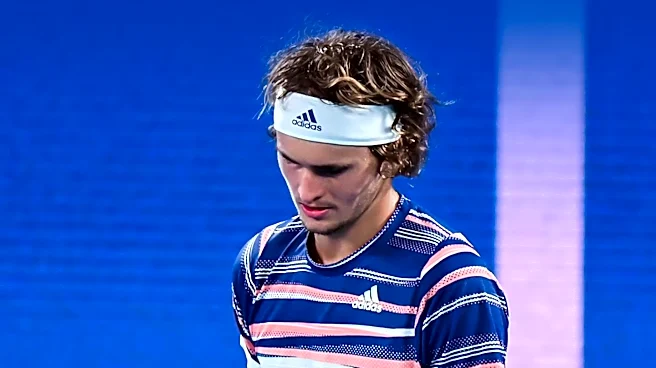
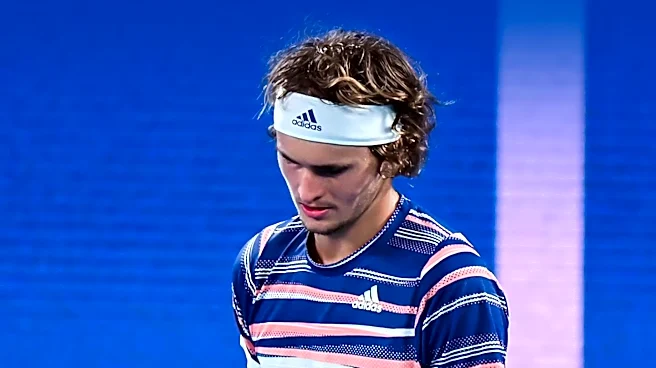
Roger Federer has expressed his delight over Alexander Zverev's recent success, specifically his two Grand Slam titles at Roland Garros and the US Open in 2026. Federer, who retired in 2022, has been closely following the tennis season and noted a significant
shift in Zverev's playing style. According to an interview with Sports Illustrated Germany, Federer observed that Zverev 'dared, playing courageously even in important matches.' He highlighted that he, along with many others, had advised Zverev for years to adopt a more aggressive approach from the baseline and dictate the pace of the game. Federer noted that Zverev previously tended to become too passive in crucial moments. This change in strategy, coupled with Zverev's inherent ability, has led to his long-awaited Grand Slam victories and his ascent to the world No. 1 ranking. Federer's observations underscore a pivotal development in Zverev's career, marking a successful implementation of strategic advice from a tennis legend.
Why It's Important?
This development is significant for the sport of tennis as it highlights the impact of strategic evolution and mentorship on a player's career trajectory. Alexander Zverev's adoption of a more aggressive playing style, as advised by Roger Federer, demonstrates how adapting tactics can unlock a player's full potential and lead to major championship wins. For aspiring athletes, this serves as a powerful example of the importance of listening to experienced mentors and being willing to change one's approach. For the tennis world, Zverev's rise to world No. 1 and his Grand Slam victories inject new narratives and rivalries, potentially increasing viewership and engagement. It also reinforces the idea that even highly talented players can benefit from refining their game, suggesting a continuous evolution within professional sports. The success of Zverev under this new approach could influence other players to re-evaluate their own strategies, fostering a more dynamic and aggressive style of play across the tour.
What's Next?
Following his Grand Slam victories and ascent to world No. 1, Alexander Zverev is expected to continue his aggressive playing style, aiming to solidify his position at the top of men's tennis. His success will likely put him in contention for future major tournaments, and his matches will be closely watched to see if he maintains this newfound courage and aggression. Other players and coaches in the tennis circuit may analyze Zverev's strategic shift and Federer's advice, potentially leading to similar tactical adjustments across the sport. The ongoing narrative will also involve how Zverev handles the pressure and expectations that come with being a two-time Grand Slam champion and world No. 1. His performance in upcoming tournaments will be crucial in determining if this strategic evolution marks a sustained period of dominance or a temporary peak in his career.
Beyond the Headlines
Beyond the immediate success, this story touches upon the enduring influence of tennis legends like Roger Federer, even in retirement. His continued engagement and insightful observations demonstrate the deep-seated community and mentorship within professional sports. The narrative also highlights the psychological aspect of athletic performance, where a shift in mindset—daring to play more courageously—can be as critical as physical talent. This transformation in Zverev's game could inspire a broader discussion within sports psychology about the role of mental fortitude and strategic adaptation in achieving peak performance. Furthermore, it underscores the generational transfer of knowledge in sports, where the wisdom of past champions helps shape the future of the game, ensuring its continuous evolution and excitement for fans.