



What's Happening?
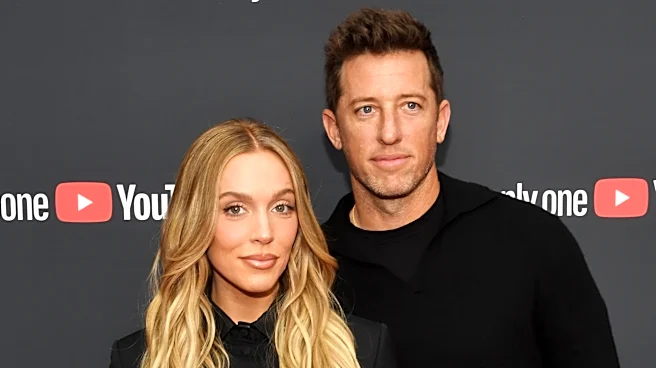
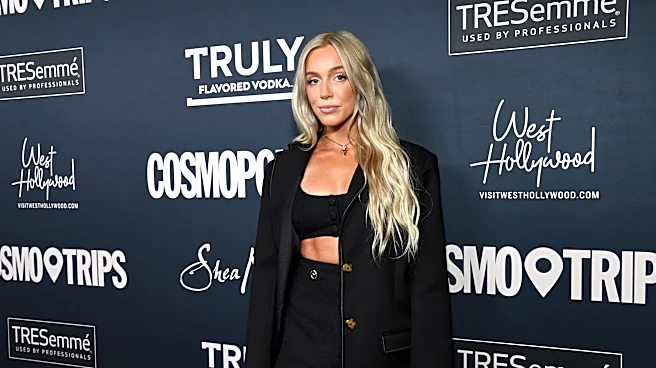
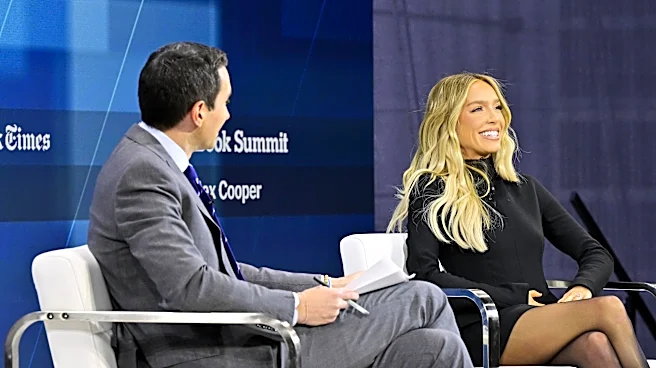
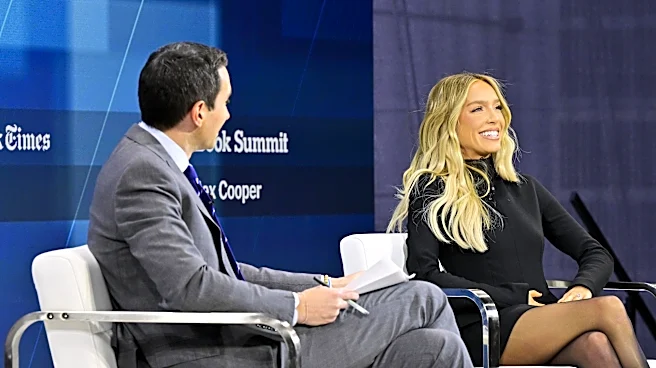
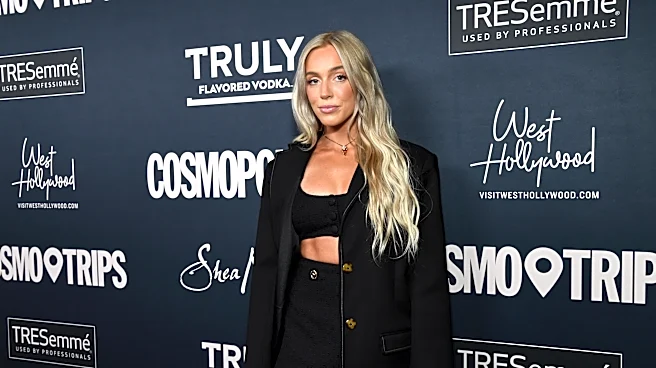
Alex Cooper, host of the popular 'Call Her Daddy' podcast, along with her husband and business partner Matt Kaplan, and their media company Unwell, have signed with Creative Artists Agency (CAA). This move follows Cooper's departure from United Talent
Agency (UTA) in August. The signing with CAA is intended to facilitate Unwell's strategic expansion beyond its podcasting origins into broader entertainment sectors, including television, film, and live shows. Unwell, which was valued at $500 million after an investment from WTSL, a firm led by Patrick Whitesell, has already begun diversifying its portfolio. The company's existing projects include the Hulu documentary 'Call Her Alex,' the Netflix series 'Let’s Marry Harry,' and various book adaptations in development. Additionally, Unwell operates an in-house advertising and creative agency that has secured partnerships with major brands like Google and Sephora. The 'Call Her Daddy' podcast, which started in 2018, continues to be a significant platform for Cooper, maintaining its popularity and releasing new episodes under a multi-year deal with SiriusXM.
Why It's Important?
This strategic move is significant for Alex Cooper and Unwell as it signals a clear intent to transform from a podcast-centric entity into a multifaceted media and entertainment powerhouse. By partnering with CAA, a major talent agency, Unwell gains access to extensive industry networks and expertise crucial for developing and distributing content across various platforms. This expansion could lead to a broader reach for Cooper's brand and content, potentially attracting new audiences and revenue streams beyond traditional podcasting. For the entertainment industry, this highlights the growing trend of successful digital creators leveraging their established audiences to venture into mainstream media. It also underscores the increasing valuation of creator-led businesses, as evidenced by Unwell's $500 million valuation. The shift could influence how other digital creators approach their career trajectories, encouraging them to build comprehensive media companies rather than solely focusing on their initial content format. This development also positions Unwell to compete more directly with established production houses in the film and television landscape.
What's Next?
With CAA now representing Alex Cooper and Unwell, the immediate next steps will likely involve the agency actively pursuing new deals and opportunities in television, film, and live entertainment. This could include pitching new series concepts, securing production partnerships, and exploring distribution agreements for Unwell's expanding content slate. While the 'Call Her Daddy' podcast will continue to release new episodes and operate under its existing SiriusXM deal, listeners may see more of Cooper's brand integrated into visual media. Potential reactions from major stakeholders could include increased interest from streaming platforms and production companies looking to collaborate with Unwell, given its established audience and recent valuation. The move could also inspire other podcast hosts and digital creators to seek similar representation to broaden their own media empires. Unwell's in-house advertising agency may also see increased opportunities to develop branded content and talent-led campaigns as the company's profile grows across different media. The focus will be on translating podcast success into tangible projects in film and television.
Beyond the Headlines
This development reflects a broader evolution in the media landscape, where individual creators are increasingly becoming powerful media entities capable of rivaling traditional studios. The transition of Alex Cooper's Unwell from a podcasting success to a full-fledged media company highlights the diminishing boundaries between digital content creation and mainstream entertainment. Ethically, this expansion raises questions about the influence of individual personalities in shaping diverse media narratives and the potential for creator-led companies to challenge established industry norms. Legally, the complex web of intellectual property rights, content distribution deals, and talent representation agreements will become even more critical as Unwell navigates multiple entertainment sectors. Culturally, the move signifies a long-term shift where audience engagement built through direct digital channels can be effectively monetized and scaled across traditional media, blurring the lines between influencer culture and Hollywood. This trend could lead to a more democratized media environment, where content creators have greater control over their intellectual property and creative direction, potentially fostering more diverse and innovative storytelling.