






What's Happening?
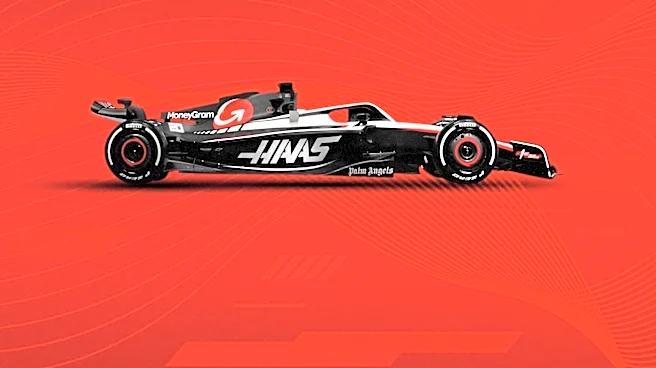
The Haas F1 Team, the newest constructor on the Formula 1 grid, has been competing since 2016. Founded by businessman Gene Haas, the team was built from scratch, with initial plans to join the grid in 2015, which were delayed by a year. In their debut
season, Romain Grosjean and Esteban Gutierrez were the drivers. Grosjean secured points in five races, including the team's home race in the U.S., leading to an eighth-place finish in the constructors' championship. The following year, Kevin Magnussen joined the team, forming a partnership with Grosjean that lasted four years. The team's most successful season was in 2018, where they finished fifth in the championship. However, 2019 saw a decline in performance with few points scored and internal team conflicts. Team Principal Guenther Steiner managed the team through 2020 and 2021, which saw the departure of Grosjean and Magnussen, replaced by rookies Mick Schumacher and Nikita Mazepin. The team hit a low point in 2021, failing to score any points. For 2022, Magnussen returned, and under new regulations, the team experienced a resurgence, scoring points and finishing eighth in the championship. Nico Hülkenberg was signed for 2023, replacing Mick Schumacher.
Why It's Important?
The Haas F1 Team's presence in Formula 1 is significant for the sport, particularly from a U.S. perspective, as it is the only American-owned and operated team on the grid. Their journey highlights the immense challenges and financial commitments involved in establishing and sustaining a competitive team in one of the world's most technologically advanced and expensive sports. The team's fluctuating performance, from a promising debut and a strong 2018 season to a challenging 2021, demonstrates the highly competitive nature of Formula 1 and the constant need for innovation and strategic decision-making. Their struggles and successes offer a real-world case study in high-stakes business and engineering. For American motorsport enthusiasts, Haas F1 provides a direct connection to the pinnacle of racing, fostering national interest and potentially inspiring future generations of engineers, drivers, and team personnel from the U.S. The team's evolution, including driver changes and adaptation to new regulations, reflects the dynamic environment of Formula 1 and its impact on team stability and performance.
What's Next?
The Haas F1 Team will continue to compete in the Formula 1 World Championship, with a focus on improving their performance and consistency. The team's strategy will likely involve further development of their car under current and future technical regulations, aiming to climb higher in the constructors' championship standings. With Nico Hülkenberg joining Kevin Magnussen for the 2023 season, the team will be looking for a strong driver pairing to maximize their points potential. Future developments will also include navigating the financial regulations and budget caps implemented in Formula 1, which aim to create a more level playing field. The team will need to continue attracting and retaining skilled personnel, from engineers to strategists, to maintain competitiveness. Sponsorship deals and commercial partnerships will remain crucial for financial stability and growth. The long-term goal for Haas F1 will be to establish itself as a consistent midfield contender, capable of regularly scoring points and occasionally challenging for podium finishes, further solidifying its position as a viable American entry in Formula 1.
Beyond the Headlines
Beyond the immediate race results, the Haas F1 Team's participation in Formula 1 carries broader implications for the global motorsport industry and the perception of American involvement in international sports. As the sole U.S. team, Haas F1 serves as a cultural ambassador, showcasing American engineering prowess and competitive spirit on a global stage. Their journey underscores the complexities of international sports business, including navigating diverse regulatory environments, managing global logistics, and fostering cross-cultural team dynamics. The team's challenges with performance and internal cohesion also highlight the human element in high-performance environments, where pressure and competition can lead to both triumphs and setbacks. Furthermore, Haas F1's existence contributes to the growing popularity of Formula 1 in the United States, influencing viewership, fan engagement, and the potential for future American drivers and teams to enter the sport. Their story is a testament to the ambition and resilience required to compete at the highest levels of international motorsport.