









What's Happening?
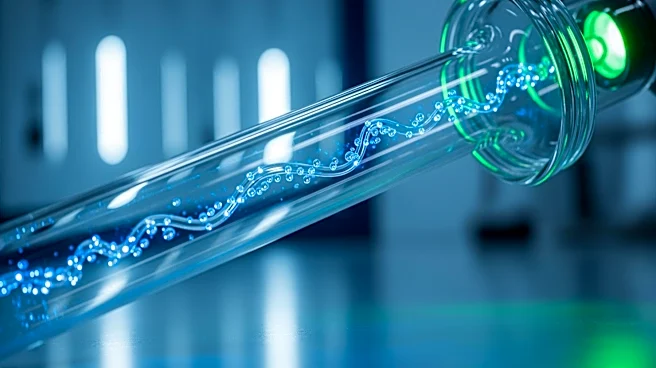
Flow chemistry, also known as continuous flow manufacturing, is transforming the production of drug substances by offering several advantages over traditional batch processes. This method involves carrying out chemical reactions in a continuous stream,
using devices like plug flow reactors or continuous-stirred tank reactors. Historically used in the petrochemical industry, flow chemistry is gaining traction in pharmaceuticals due to its economic benefits, including improved mass and heat transfer, higher yields, and reduced waste. The International Council for Harmonization has published guidelines to support the adoption of continuous manufacturing, indicating a shift towards this method in the pharmaceutical industry.
Why It's Important?
The adoption of flow chemistry in drug manufacturing represents a significant advancement in the pharmaceutical industry. It offers improved processing economics, enhanced product quality, and increased safety by reducing the risk of thermal runaway and minimizing hazardous reagent handling. This method also supports environmental sustainability by lowering carbon emissions and energy consumption. As pharmaceutical companies increasingly adopt flow chemistry, it could lead to faster drug development and more efficient production processes, benefiting both manufacturers and consumers.
What's Next?
As the pharmaceutical industry continues to embrace flow chemistry, further advancements in technology and regulatory frameworks are expected. Companies may invest in developing more sophisticated flow systems and integrating real-time process optimization tools. Regulatory bodies might update guidelines to facilitate the broader implementation of continuous manufacturing. The industry could see increased collaboration between academia and industry to overcome challenges and enhance the scalability of flow chemistry processes.