





What's Happening?
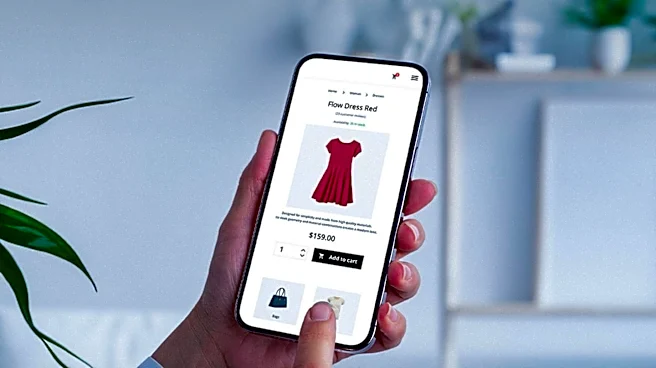
Mr Porter CEO Toby Bateman has outlined the strategies that have allowed the luxury e-commerce platform to thrive amidst a challenging period for online luxury retailers. While competitors like Matchesfashion entered administration, Farfetch required
rescue by Coupang, and SSENSE filed for creditor protection, Mr Porter has maintained its operations. Bateman attributes this resilience to a diversified global business model, carrying approximately 300 brands, which prevents over-reliance on any single market or trend. He noted that the U.S. market has been economically strong, contributing significantly to Mr Porter's performance, alongside a resurgence in the Australian market. The company also underwent internal restructuring in 2023-2024, rebuilding its head office team across content, brand marketing, and customer experience, and bringing back original editor-in-chief Jeremy Langmead to bolster its brand and content strategy. Furthermore, Mr Porter has deliberately shifted its brand mix away from entry-level streetwear towards mid-tier and established luxury brands to cater to its core customer base, typically men in their 40s.
Why It's Important?
Mr Porter's sustained success in a volatile luxury e-commerce landscape highlights critical lessons for businesses in the sector. The emphasis on market diversification, as articulated by Bateman, underscores the importance of not concentrating risk in a single geographical region or consumer trend. This strategy allows companies to absorb shocks in one area by leveraging strengths in others, a model often employed by larger luxury groups. The strategic pivot in brand curation, moving away from transient streetwear trends towards more established and 'quiet luxury' brands, reflects an understanding of their core demographic's evolving preferences and purchasing power. This approach helps cultivate customer loyalty and maintain brand integrity, avoiding the pitfalls of chasing fleeting trends. Moreover, Mr Porter's strict stance against constant discounting, a practice that has undermined other retailers, is crucial for preserving profit margins and maintaining relationships with luxury brand suppliers who value exclusivity and full-price sales. This commitment to value over volume is a key differentiator in the competitive luxury market.
What's Next?
Mr Porter plans to continue refining its brand portfolio, with CEO Toby Bateman personally reviewing brand performance each season to decide what to grow, trim, or cut. The company will focus on introducing newness to its customers while maintaining its curated selection. There will be a continued emphasis on content, with Mr Porter adopting a video-first approach to provide style guidance and engage customers. The platform also aims to enhance customer experiences through exclusive events and interactions, compensating for the lack of a physical storefront. Logistically, Mr Porter will maintain its high standards for delivery and returns, recognizing their importance in customer satisfaction, despite the heightened expectations set by companies like Amazon. The in-house label, Mr P, which is approaching its tenth anniversary, will also remain a significant focus, continuing to offer well-priced and wearable options for its clientele. The company will also explore new brands, such as the Sydney label Song for the Mute, to keep its offerings fresh and appealing.
Beyond the Headlines
Mr Porter's strategy reveals deeper insights into the evolving psychology of the luxury consumer and the operational challenges of high-end e-commerce. The shift away from streetwear signifies a broader cultural movement towards more understated, quality-driven fashion, often termed 'quiet luxury.' This trend suggests a maturation of consumer tastes, where brand logos and hype are less important than craftsmanship, timelessness, and personal style. The company's resistance to discounting also highlights an ethical stance on brand value and sustainability, as constant sales can devalue products and encourage overconsumption. Furthermore, Mr Porter's investment in content and customer experiences, such as exclusive events, underscores the importance of building a community and emotional connection with consumers in the digital age. This approach moves beyond transactional relationships, fostering loyalty through shared values and curated experiences, which is crucial for long-term success in the luxury sector. The emphasis on customer service, from packaging to returns, reflects an understanding that the online luxury experience must mirror the exclusivity and attention to detail found in high-end physical boutiques.