



What's Happening?
Skincare formulators design products, including face masks, to maintain stability and efficacy at standard room temperatures, typically between 60°F and 75°F (15°C to 24°C). Contrary to a popular social media trend of using 'beauty fridges,' storing skincare
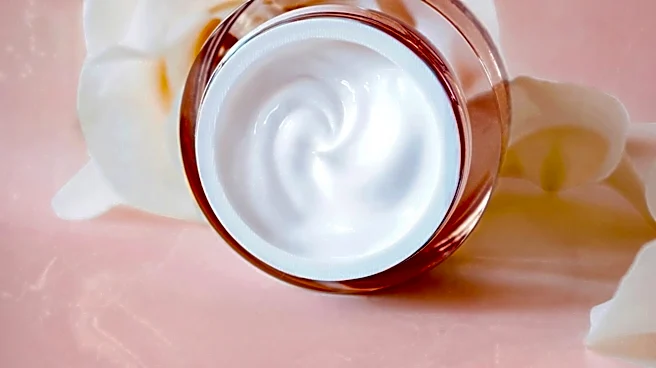
products in a refrigerator can actually degrade their quality and effectiveness. The cold can cause clay and cream masks to harden, altering their texture and making them difficult to apply. Extreme cold can also break down the emulsion in many products, separating oil and water components, which renders active ingredients less potent. Furthermore, gel formulas and sheet mask serums may thicken, hindering skin absorption, and applying freezing-cold masks can shock the skin, potentially leading to redness and irritation. Products stored in a refrigerator are also susceptible to absorbing food odors and bacteria.
Why It's Important?
The widespread trend of using 'beauty fridges' for skincare, fueled by social media aesthetics, is leading consumers to inadvertently compromise the effectiveness and longevity of their products. This practice can result in wasted money on products that no longer deliver their intended benefits due to improper storage. For consumers, understanding optimal storage conditions ensures they get the most out of their skincare investments and avoid potential skin issues like irritation or reduced hydration. For the skincare industry, this highlights a need for clearer communication regarding product care to counteract misinformation and ensure customer satisfaction with product performance. Adhering to recommended room temperature storage helps maintain product integrity, ensuring active ingredients remain stable and effective as designed by formulators.
What's Next?
Consumers are advised to store their skincare products, particularly sheet masks, at room temperature in locations like a bedroom vanity or bathroom counter. For sheet masks, it is recommended to store them vertically to prevent serum pooling or leakage and to massage the packet before opening to ensure even serum distribution. Skincare brands and experts may need to increase public awareness campaigns to educate consumers on proper product storage to combat the prevalent 'beauty fridge' trend. This could involve clearer instructions on product packaging or educational content on their platforms to ensure consumers maximize the benefits of their skincare routines.
Beyond the Headlines
The 'beauty fridge' phenomenon underscores a broader issue of how social media trends can influence consumer behavior, sometimes leading to practices that are counterproductive to product efficacy. This trend highlights a gap in consumer education regarding the science behind skincare formulations and the importance of adhering to manufacturer guidelines. It also points to the aesthetic-driven nature of modern consumerism, where visual appeal (like a mini-fridge) can sometimes overshadow practical considerations. Addressing this requires a shift towards more science-backed communication from beauty influencers and brands, emphasizing product chemistry and stability over fleeting aesthetic trends to ensure consumers make informed decisions about their skincare routines.