






What's Happening?
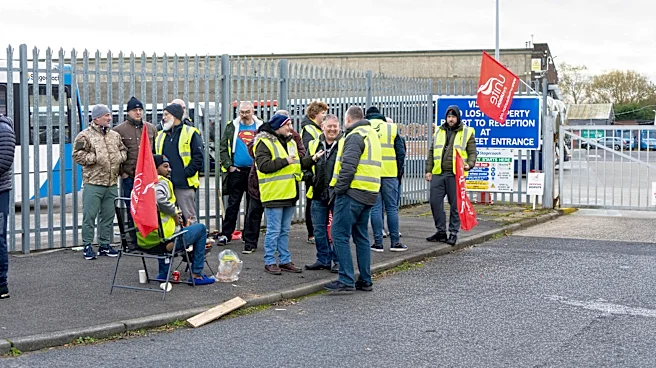
Amazon workers and their supporters are engaging in strikes and protests across more than 20 countries from Black Friday (November 27) to Cyber Monday (November 30). These global actions, organized under the 'Make Amazon Pay' campaign by UNI Global Union
and Progressive International, follow a recent victory where warehouse workers in British Columbia, Canada, secured the first binding union contract for Amazon employees in North America. The central demand of the campaign, now in its seventh year, is for Amazon to respect workers' rights to organize and negotiate with unions in all countries where it operates. In Germany, the ver.di union has called strikes at 11 Amazon sites, accusing the company of aggressive workplace monitoring, a claim Amazon denies. In the U.S., the Teamsters union plans rallies on Cyber Monday at Amazon's DLX5 facility in Los Angeles and its Goose Island site in Chicago. Similar mobilizations are occurring in Poland, Luxembourg, and across Latin America, with lawmakers in Australia also voicing support.
Why It's Important?
This widespread global protest highlights escalating tensions between Amazon and its workforce regarding labor rights and unionization. The success of Canadian workers in securing a union contract through arbitration provides a significant precedent, shifting the narrative from whether Amazon workers can win to where they will win next. This movement could embolden more Amazon employees in the U.S. and other countries to push for union representation, potentially leading to increased labor costs and operational changes for the e-commerce giant. The protests also draw attention to Amazon's workplace practices, including allegations of aggressive monitoring, which could impact the company's public image and consumer perception. For unions, these actions represent a coordinated international effort to challenge a major global corporation, potentially setting a new standard for cross-border labor activism and collective bargaining in the digital economy.
What's Next?
The ongoing protests during the critical Black Friday to Cyber Monday sales period aim to maximize disruption and draw public attention to workers' demands. Following these actions, unions and labor organizations will likely continue to press Amazon for negotiations and recognition. The legal challenges initiated by Amazon against unionization efforts, such as contesting the National Labor Relations Board's order to bargain with the union at its JFK8 warehouse in Staten Island, are expected to continue. The outcome of these legal battles and future arbitration decisions will significantly influence the trajectory of unionization efforts within Amazon in the U.S. and globally. Further, the 'Make Amazon Pay' campaign may intensify its strategies, potentially including consumer boycotts or increased political lobbying, to pressure the company into acceding to workers' demands for better pay, benefits, and union rights.
Beyond the Headlines
The global coordination of these protests signifies a growing trend of international labor solidarity in response to multinational corporations. This movement challenges the traditional model of localized labor disputes, demonstrating a collective effort to address labor practices on a global scale. The focus on Amazon's record profits and planned investments in AI and data centers, juxtaposed with workers' demands, raises broader questions about wealth distribution and corporate responsibility in the digital age. The use of digital trackers for workplace monitoring also brings to the forefront ethical concerns regarding employee surveillance and privacy. This ongoing struggle could influence future labor laws and regulations concerning gig economy workers and employees in automated warehouses, potentially shaping the future of work in an increasingly digitalized and globalized economy.