






What's Happening?
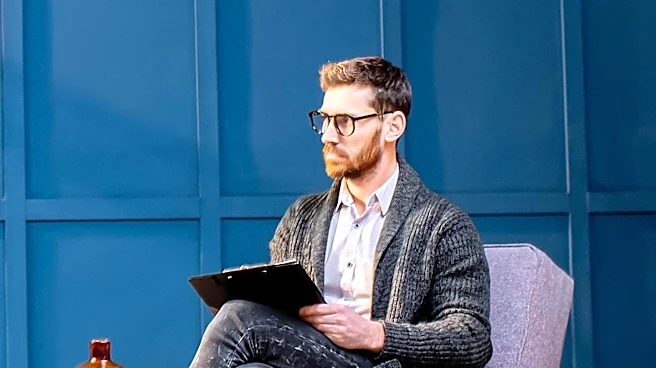
Actor Brandon Sklenar has publicly disclosed his long-standing battle with body dysmorphia, which began in his childhood. Sklenar, known for his role in '1923,' shared that his personal experiences with body image issues significantly influenced his performance
in the upcoming sports drama 'Iron Jane.' He emphasized the critical need to discuss body image and body dysmorphia more openly, particularly in the current era dominated by social media and fitness influencers. Sklenar recounted being teased as a child for being 'chunky' and later 'lanky,' leading to an obsession with working out. He described body dysmorphia as seeing oneself 'completely differently than pretty much anybody else does, and usually in not a good way.' Despite being a 36-year-old man, he stated that he still feels like the '12-year-old chunky kid,' struggling with a sense that 'nothing is ever good enough.' He noted that therapy has been helpful, but managing self-talk remains a challenge.
Why It's Important?
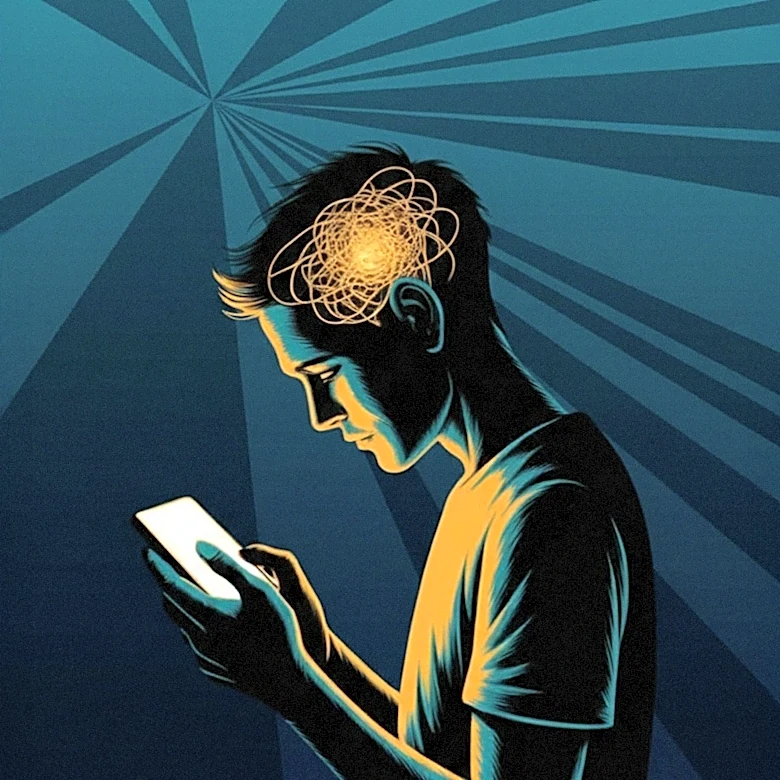
Sklenar's candid revelation is significant for U.S. society as it sheds light on a pervasive yet often hidden mental health condition, body dysmorphia, which is exacerbated by contemporary cultural phenomena like social media and fitness influencer culture. His experience underscores how idealized portrayals of bodies online can create unrealistic standards, impacting individuals across various demographics, including public figures. This public discourse can help destigmatize body dysmorphia, encouraging more individuals to seek help and fostering greater empathy and understanding. For the entertainment industry, it highlights the potential for film to address complex mental health issues authentically, as Sklenar's personal struggle informed his character's portrayal. Furthermore, it serves as a crucial reminder for consumers of social media content about the potential negative psychological effects of constant exposure to curated and often unattainable physical ideals, particularly within the fitness community.
What's Next?
The release of Sklenar's film 'Iron Jane,' which delves into themes of body image and body dysmorphia, is anticipated to further stimulate conversations around these issues. Sklenar's role as a producer on the film suggests a commitment to bringing these topics to a wider audience. His openness about his ongoing struggle and the benefits of therapy may encourage others facing similar challenges to seek professional help. The discussion also points to a broader need for media literacy and critical engagement with content, especially from fitness influencers, to mitigate the negative impacts of idealized body images. As public figures continue to share their mental health journeys, there is potential for increased awareness campaigns and support systems for individuals grappling with body dysmorphia and related mental health concerns in the U.S.
Beyond the Headlines
Beyond the immediate impact of Sklenar's disclosure, his experience highlights the deeper ethical considerations surrounding the portrayal of bodies in media and the role of social media platforms. The 'highlight reel' nature of social media, where individuals often present idealized versions of themselves, can inadvertently contribute to a culture of comparison and inadequacy. This raises questions about the responsibility of content creators, including fitness influencers, to promote healthy body image and mental well-being rather than solely focusing on aesthetic ideals. The entertainment industry also faces a challenge to create more diverse and realistic representations of bodies, moving away from narrow beauty standards that can fuel dysmorphic tendencies. Sklenar's struggle, even as a physically fit actor, underscores that body dysmorphia is a psychological condition not solely tied to physical appearance, but rather to a distorted self-perception that requires ongoing mental health support and a societal shift towards greater acceptance and authenticity.